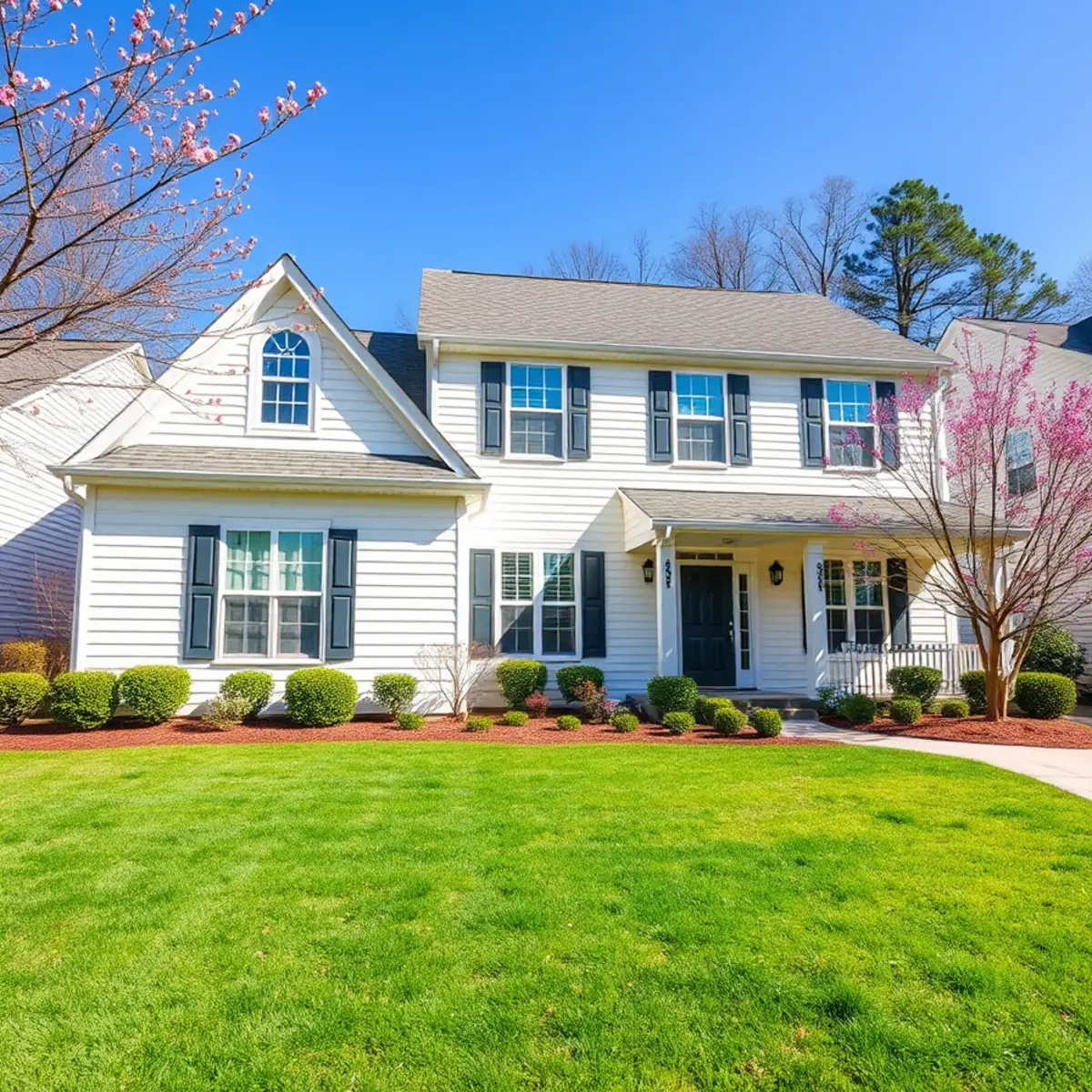
Most Lincolnton homes need a soft wash once a year, with shaded, wooded, and lakefront homes closer to twice a year. Here's the local schedule.
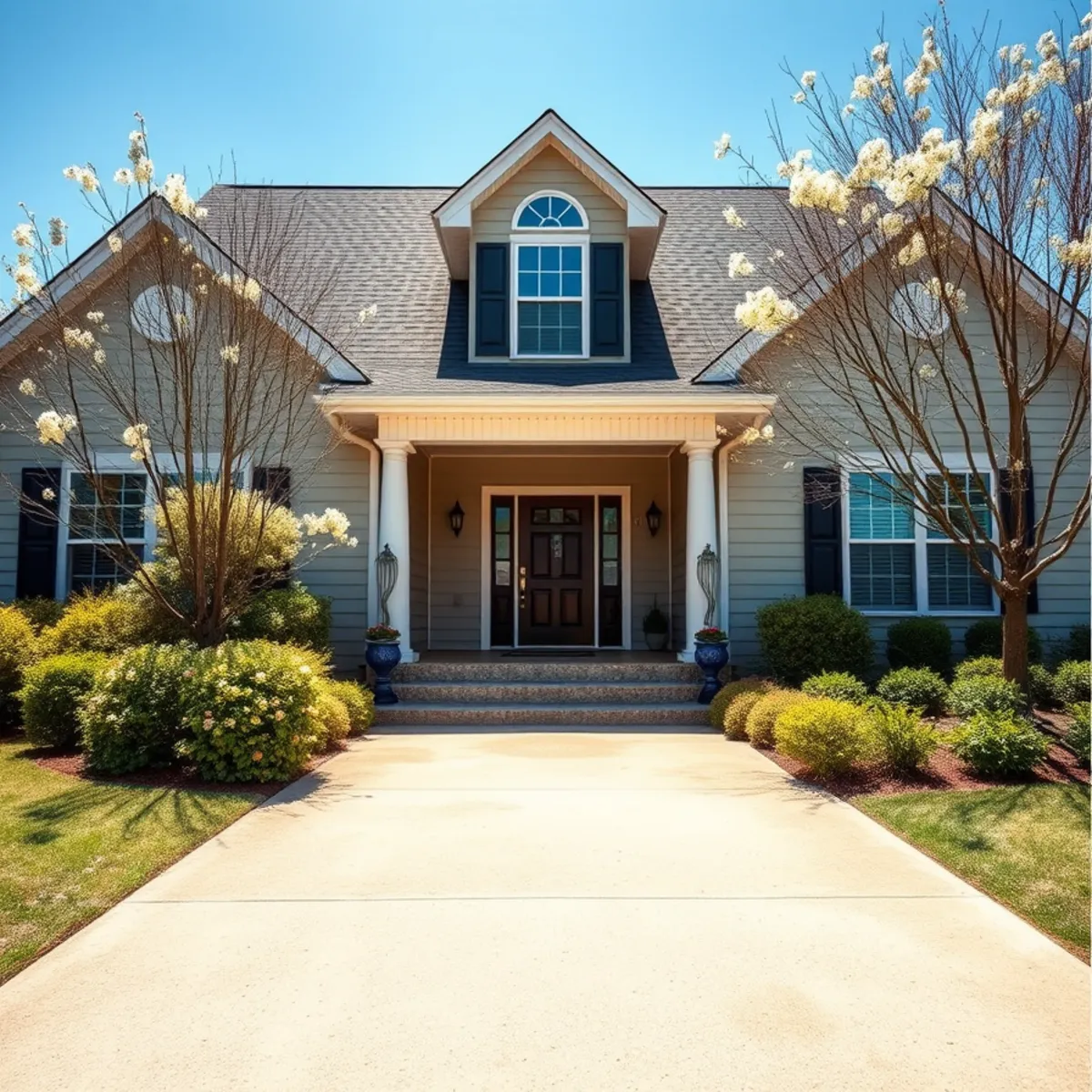
If you've watched green creep up the shady side of your house or yellow pollen cake your siding every spring, you already know the national "once a year" advice doesn't quite fit here. Lincolnton and Lincoln County sit in the humid NC Piedmont, where algae, pollen, and red clay all gang up on your exterior at the same time. Below is the straight answer, broken down by surface and by your specific situation, from a local crew that washes these houses every week.
How Often Should You Pressure Wash a Home in Lincolnton? (Quick Answer)
Most Lincolnton homes need a full exterior soft wash once a year, and a lot of them need it twice a year. The reason is simple: between Piedmont humidity, pine pollen, and heavy tree cover, our homes get dirty faster than the generic advice assumes.
Here's the quick rule of thumb:
- Once a year for newer homes that sit in full sun, with little tree cover and no green showing up between washes.
- Every 6 to 8 months for homes that are heavily shaded, wooded, on or near the lake, or that start streaking within a few months.
Treat an annual wash as the floor, not the goal. Waiting longer than a year lets algae and mildew dig into your siding and roof, dulls the paint, and chips away at resale value and curb appeal. It's a lot cheaper to keep a clean house clean than to restore a green one.
One thing worth clearing up right away: when people say "pressure wash my siding," what they almost always need is soft washing — low pressure plus a cleaning solution, not a high-PSI blast. More on why that matters further down.
Pressure Washing Frequency by Surface (Cheat Sheet)
Different surfaces wear and grow at different rates, so they're not all on the same clock. Here's how often we recommend cleaning each part of a typical Lincoln County home.
| Surface | How Often | Method |
|---|---|---|
| Vinyl / Hardie siding | Every 12 months (twice a year if shaded or lakefront) | Soft wash, low PSI |
| Concrete driveway, sidewalk, patio | 1–2 times per year | Pressure wash + surface cleaner |
| Wood deck | Annually, before resealing | Low PSI (500–1,200) |
| Composite deck | Annually | Low pressure + cleaner |
| Roof shingles | Every 2–3 years | Soft wash only — never high pressure |
| Brick and stucco | Every 1–2 years | Pressure wash (brick tolerates more) |
| Gutters and gutter faces | Every 6–12 months | Hand clean + brightening |
| Fences and retaining walls | Annually (more if wood and shaded) | Soft wash or low PSI |
A few notes on this list. Concrete catches red clay and tire stains, so your driveway and walkway may need a spot clean before the full-year mark, especially the apron where cars track in clay. Your roof is the one surface where you must never use high pressure — those black streaks come off with a soft wash and the right detergent, not a power washer. And gutters get two jobs: clearing them out and brightening the streaked faces, which is what makes the front of a house look tired even when the siding is clean.
Why North Carolina Homes Get Dirty Faster (Humidity, Pollen, and Red Clay)
National frequency advice often undershoots for Lincolnton because four local factors stack on top of each other. Any one of them dirties a house; all four together is why we see green again so fast.
- Humidity. Piedmont relative humidity routinely sits in the 60–70% range through the warm months. That damp, warm air is exactly what algae, mold, and mildew need to take hold and spread on siding, brick, and roofs.
- Pine pollen. Pollen season peaks late March through April, coating everything in a sticky yellow film. That film traps dirt, and when summer heat hits, it bakes onto the surface where a garden hose won't touch it.
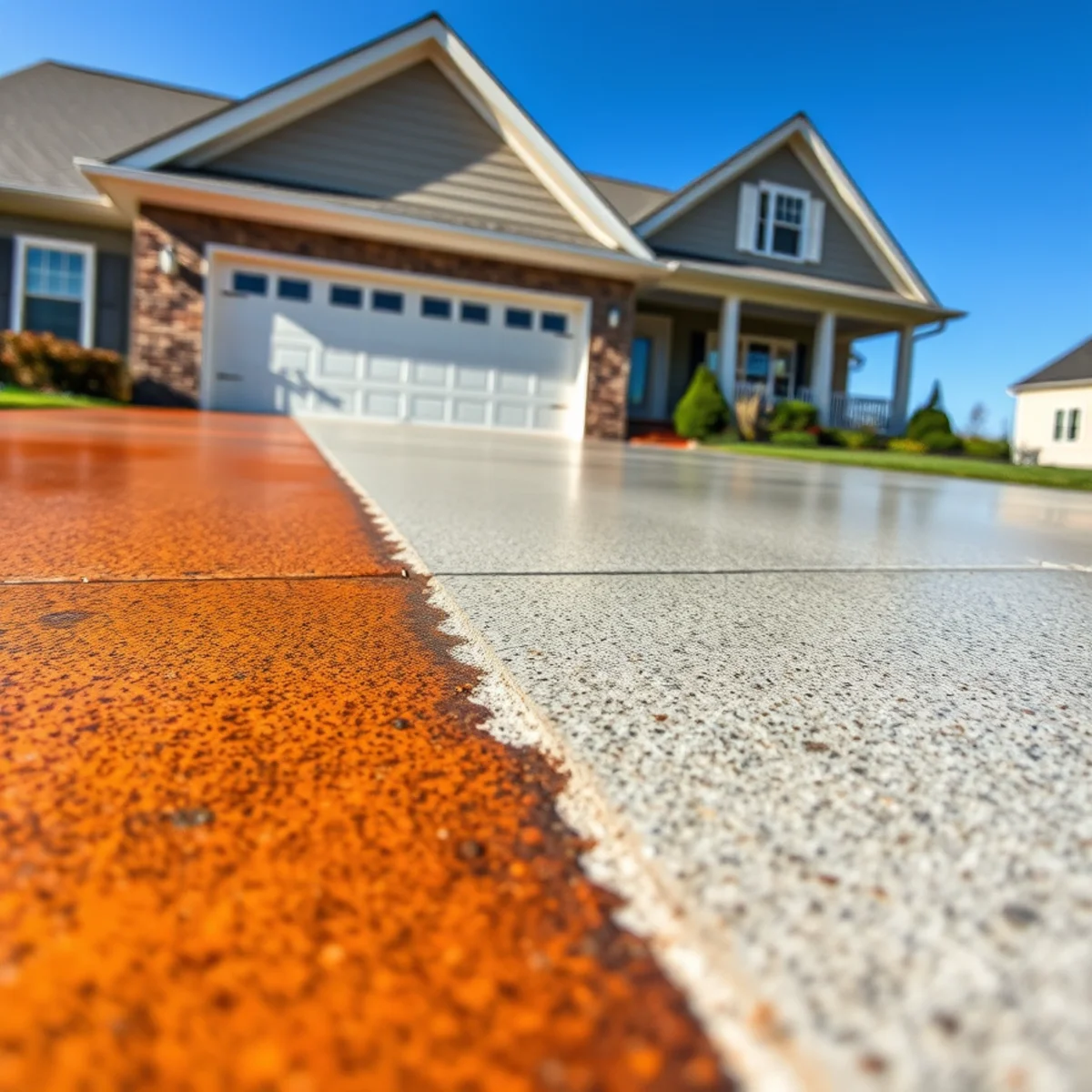
- Red clay. Lincoln County's iron-rich red clay splashes up onto foundations, driveways, and lower siding every time it rains. The iron oxide leaves rust-toned stains that are stubborn precisely because they're a mineral, not just dirt.
- Tree cover. Wooded lots add leaf tannin, sap, and shade. Tannin stains your hardscapes brown, and the shade keeps walls damp longer, which feeds the algae.
Put those together and you can see why a clean house in March can look streaky by August. It's not that you washed it wrong — it's that the Piedmont throws more at your exterior than a dry, sunny climate does.
Shaded vs Sunny Sides of the House (They Are Not on the Same Schedule)
This is the single biggest real-world variable, and most articles skip it entirely. Your house does not get dirty evenly, so it doesn't make sense to wash it on one fixed whole-house cadence.
North-facing and tree-shaded walls get the least sun and stay damp the longest. They're where green algae and mold show up first, and they usually need attention twice as often as the rest of the house — often a soft wash every six months on problem walls.
Sunny south and west walls dry out fast after rain. They mostly collect pollen and dust rather than living growth, so they can comfortably go 12 to 18 months between washes.
The practical move is to walk each elevation of your house separately a couple times a year and look at it honestly. If the north side is greening up while the south side still looks fine, you don't necessarily need to wash the whole house — you need to hit the side that's struggling. One advantage of soft washing here: because it kills algae at the root instead of just rinsing off the surface color, it actually slows regrowth and stretches the interval on those shady walls.
Annual vs Twice-a-Year: How to Choose Your Schedule
Once you know your surfaces and your shade situation, picking a rhythm is straightforward.
An annual wash is right for you if your home is newer, sits in full sun, has little tree cover, and shows no visible growth between cleanings. If you make it to the one-year mark and the house still looks clean, annual is doing its job.
Twice a year fits you if your home is heavily shaded or wooded, sits near water, faces a busy road that throws up road grime, or starts showing streaks within a few months of a wash.
A common Lincolnton rhythm that works well: a big wash in late spring — usually late May, after the pollen has finished falling and settled — and a lighter touch-up in early fall. The spring wash strips the baked-on pollen film, and the fall pass clears summer's algae growth before winter.
Two more things to weigh: maintenance washes are cheaper and faster than reactive deep cleans, because keeping growth from establishing is far easier than scrubbing it off years later. And if you've got an HOA with exterior standards, or you're planning to list the house within the year, lean toward the more frequent schedule — clean exteriors clear inspections and photograph better.
Lake Norman and Lakefront Homes: Special Considerations
If you're on or near the water — and a lot of Lincoln County is — your home plays by tougher rules. Constant lake moisture and elevated humidity make waterfront and near-water properties prime targets for algae and mildew. We almost always recommend twice-a-year house washing for lakefront homes.
It's not just the house, either. Lakeside structures take a beating from the moisture and need their own cleaning cadence:
- Docks, boat houses, and seawalls — typically annually or more, since they sit right in the damp.
- Lakeside decks and railings — annually, often sooner on the shaded water side.
- Roofs — the heavier algae load near the water means roof streaks come back faster, so soft washing every couple of years matters more here.
Because this work happens right next to the shoreline, detergent choice is not optional. We use plant- and water-safe, biodegradable detergents so your shoreline landscaping and the lake itself stay protected. That's something to ask any company about before they spray anything near the water.
Soft Washing vs Pressure Washing: Which Your Home Actually Needs
This trips up a lot of homeowners, so here's the plain version. The two methods aren't interchangeable — each belongs on different surfaces.
Soft washing uses low pressure (roughly 60–150 PSI, about what a garden hose puts out) combined with a cleaning solution. The solution does the work, killing algae, mold, and mildew at the root. This is what belongs on vinyl, Hardie board, stucco, painted wood, and roofs.
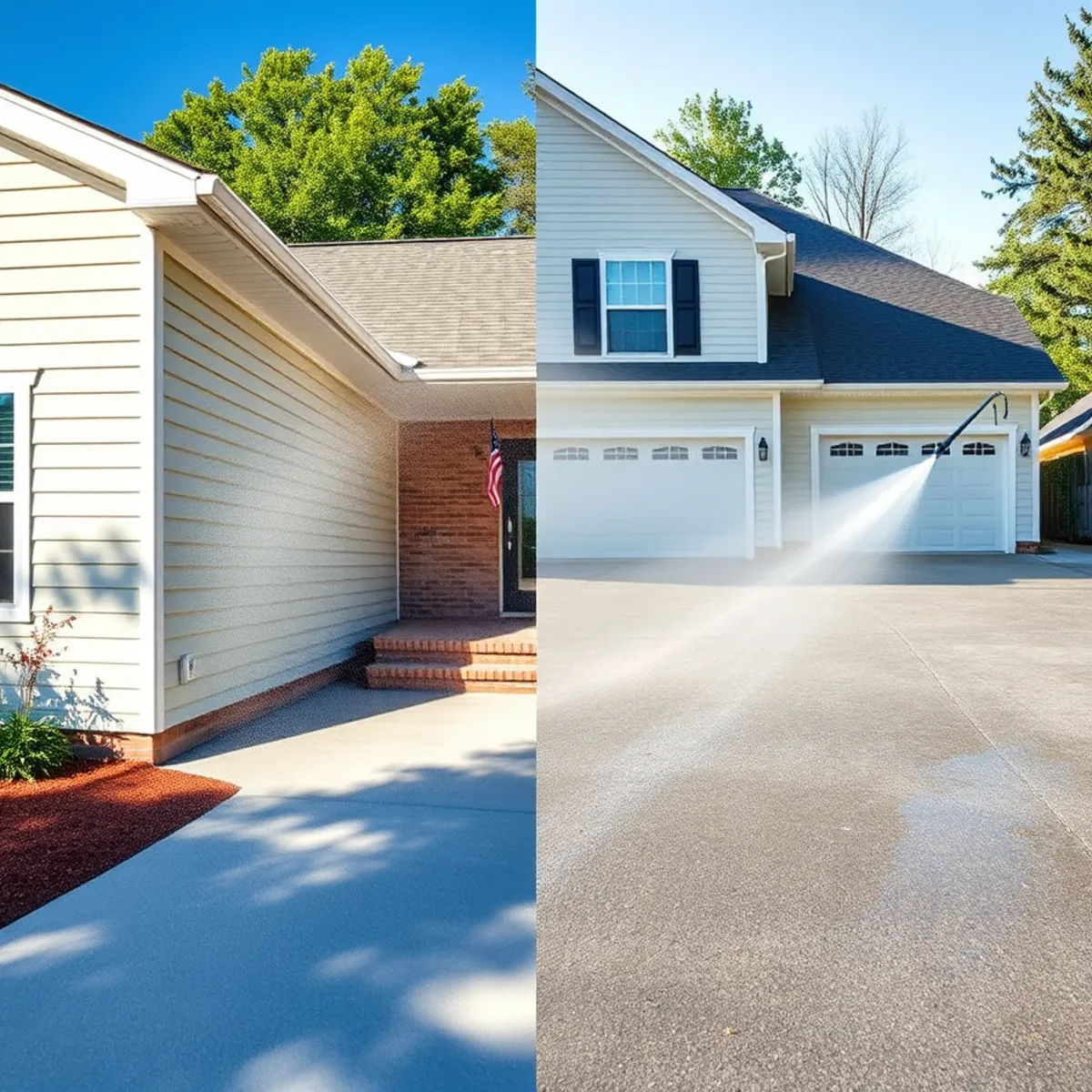
Pressure washing uses real force — 3,000+ PSI — and belongs on hard surfaces like concrete and brick. Paired with a rotary surface cleaner, it's how you get an even, clean driveway or patio.
Why does this matter so much? High pressure aimed at the wrong surface does real damage. It can crack vinyl panels, force water behind your siding where it rots the sheathing, and blast the protective granules off roof shingles — which can void your shingle warranty outright. There's also a longevity difference: pressure alone only removes the color you can see, so the growth comes back fast. Soft washing kills the organism, so it stays gone longer. Match the method to the surface — soft wash the siding and roof, pressure wash the hardscapes — and you get a better result with zero damage.
7 Signs It Is Time to Wash Your Home (Do Not Wait for the Calendar)
The calendar is a guide, but your eyes are better. If you spot any of these, you're due, regardless of when you last washed.
- Green or black streaks on siding or dark streaks running down the roof shingles — that black is Gloeocapsa magma algae, and it spreads.
- A dull, chalky, or filmy look, or obvious yellow pollen buildup on the siding.
- Slippery, darkened concrete on driveways, walkways, or pool decks — that's a real slip hazard, not just a cosmetic issue.
- Spider webs, wasp nests, and packed dirt collecting in corners and under the eaves.
- Red clay or rust staining creeping up the foundation and lower siding.
- You're about to list the home, host an event, or repaint — start clean.
- Allergy flare-ups in your household — pollen and mildew clinging to the exterior can keep stirring things up right outside your windows.
DIY vs Hiring a Lincolnton Pro (and What It Costs)
Plenty of homeowners want to know whether they can just do this themselves. Sometimes, sure. A light rinse of fresh pollen with a garden hose or a low-pressure attachment is fine, and we'd never tell you to call someone for that.
The trouble starts with the bigger jobs. DIY pressure washing carries real risks: the wrong PSI cracks siding or strips paint, ladder and roof work leads to falls every year, and the wrong chemicals can scorch your landscaping or run off into the lake. Roofs in particular are a no-go for most homeowners — it's the most dangerous surface and the easiest one to ruin.
A pro brings soft-wash systems calibrated to each surface, the correct detergents, the insurance to cover a mistake, and the local know-how to handle red clay rust and our specific algae load. On cost, maintenance washes run less than restorative deep cleans of years-old, baked-on growth, which is one more reason to stay on a regular schedule instead of waiting until the house is fully overtaken. Every estimate is free, so there's no cost to finding out what your particular house needs.
If you're not sure whether you're a once-a-year or twice-a-year home — or you just want the green gone before the next cookout — give us a call. We're a local Lincolnton crew, licensed and insured, and we'll walk your property, point out which elevations are struggling, and put you on a schedule that fits. Call +1 (351) 242-0666 for a free estimate, and let's keep your house looking like the newest one on the street.
Written by the Hydro Jet PW Crew
Led by Caleb, a local Lincoln County firefighter who started Hydro Jet in 2015. We soft wash, protect your property, and treat your home like our own.
Frequently Asked Questions
For most Lincolnton homes, plan on a full house wash once a year. If your home is shaded, backs up to woods, sits near Lake Norman, or is on well water with rust staining, twice a year is the better cadence. Once a year is the minimum to stay ahead of algae, pollen, and red-clay splash in our Piedmont climate.
Roofs run on a longer clock than siding. Plan on a soft-wash roof cleaning every 2 to 4 years, or sooner the moment black streaks appear, since those streaks are gloeocapsa magma algae feeding on the shingles. Siding, by contrast, usually needs a yearly wash. We only soft wash roofs and never blast shingles with high pressure.
Late spring, right after the pollen finishes dropping, is the best window, typically late April into May. Wash too early and fresh pollen just coats your clean siding again. Early fall is the second-best time and pairs well with a gutter cleaning before the leaves drop. Twice-a-year homes do best splitting washes between late spring and early fall.
Got a stain you can't beat?
Let a local crew handle it. Free estimates, fast scheduling.
Call +1 (351) 242-0666