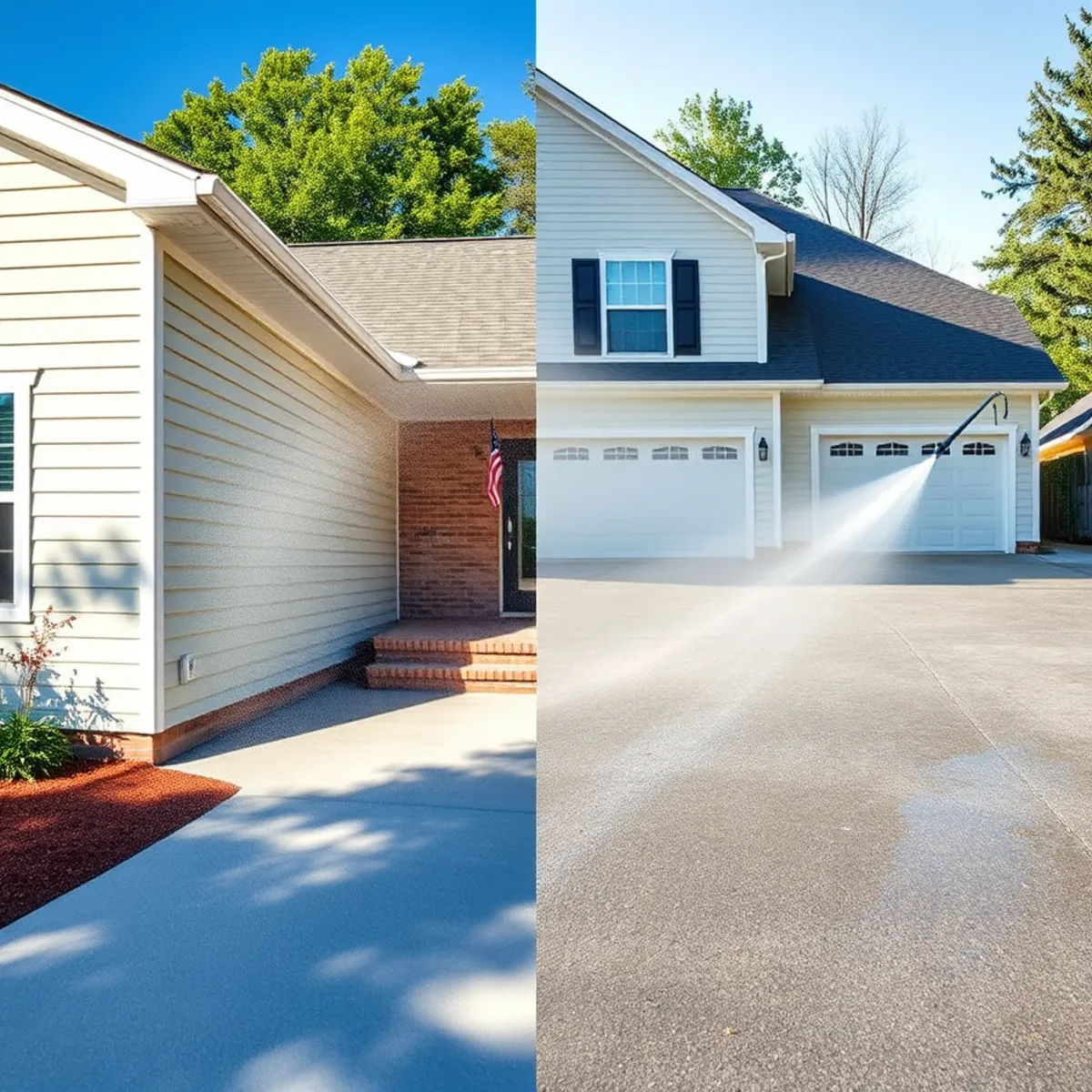
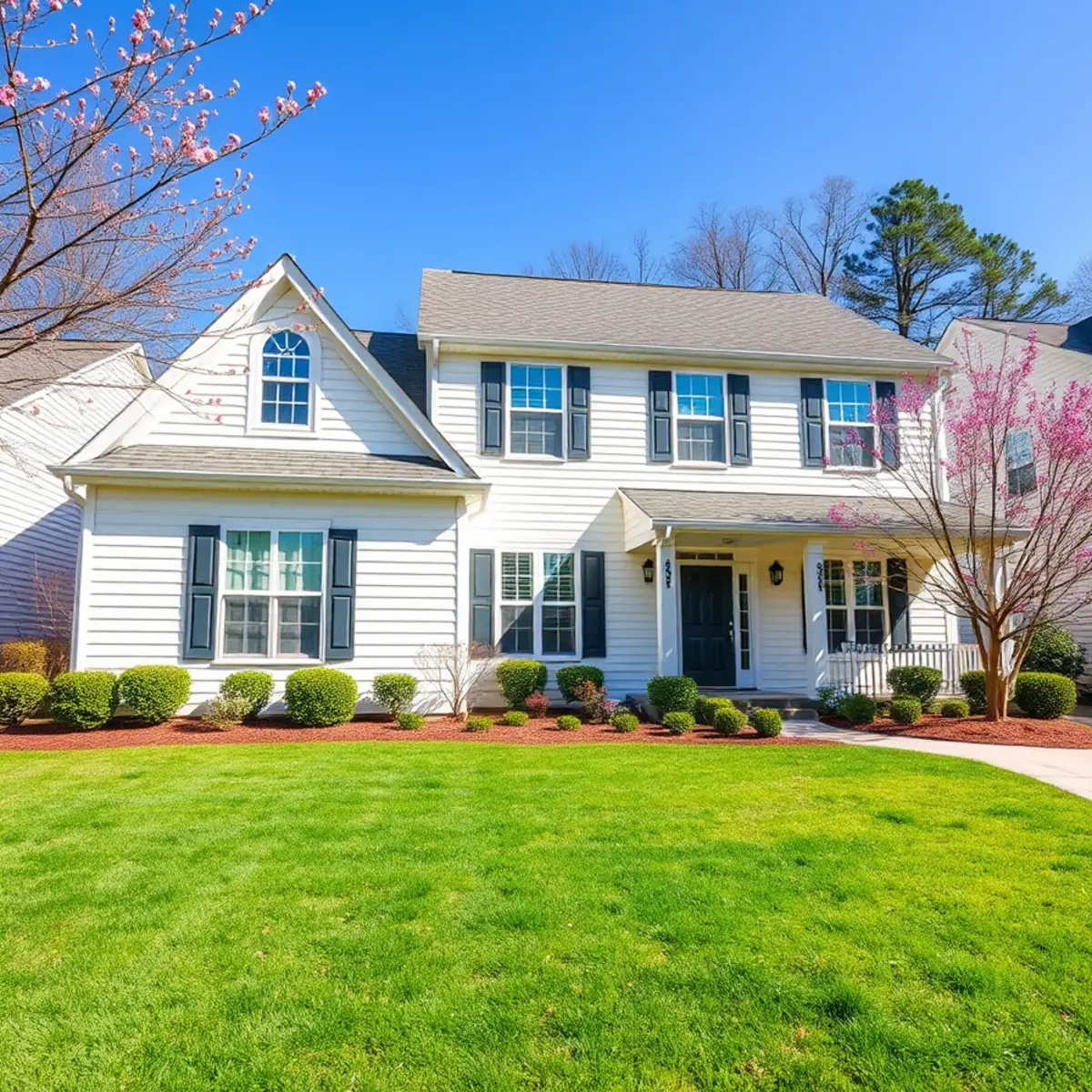
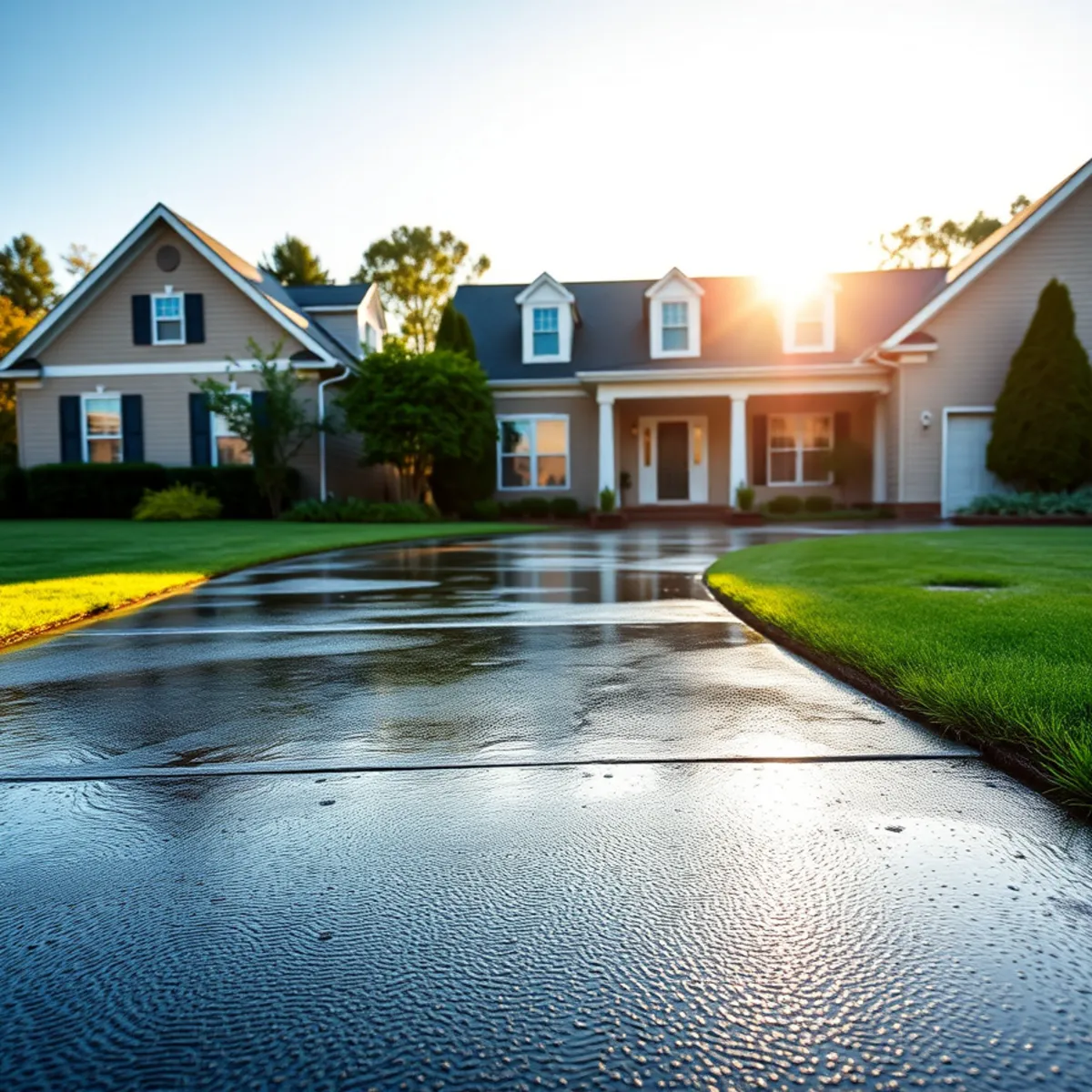
Those black streaks creeping up the brick entrance monument, the green film turning the clubhouse sidewalk into a slip hazard, the dingy townhome siding that just earned three violation letters from the architectural committee — they don't fix themselves, and in Lincoln County's humid Piedmont air they only get worse. Left alone, algae and red clay film keep spreading until the whole community looks tired and a board fields complaints all spring. The fix is straightforward: the right cleaning method on the right surface, on a schedule you can budget for, from a local crew that hands your board a certificate of insurance before the first hose hits the ground. That's what we do for HOAs and townhome associations across Lincolnton.
What We Clean for Lincolnton HOAs and Communities
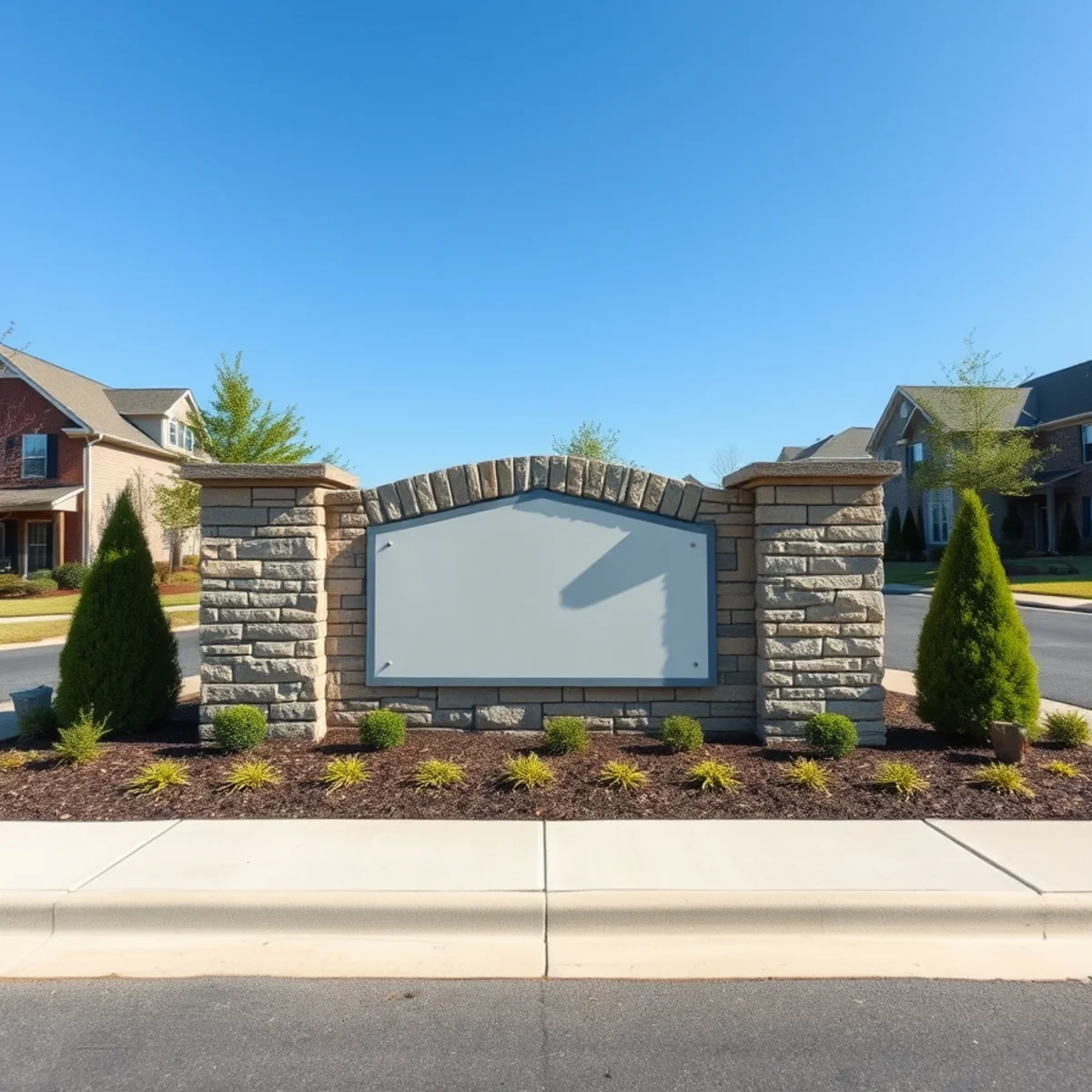
Common areas take a beating from weather and foot traffic, and they're the first thing residents and prospective buyers see. We soft wash brick, stone, and stucco entrance monuments at the neighborhood gateway, where black Gloeocapsa magma streaks love to settle. We run rotary surface cleaners across common-area sidewalks, walking trails, curbs, and the concrete pads around mail kiosks and centers. We handle clubhouse exteriors, pool decks, and pavilion or cabana areas — usually before summer, when the lifeguard stand goes up and everybody's outside.
For the perimeter, we wash amenity and privacy fencing, dumpster enclosures, retaining walls, and wood pergolas. And for townhome and condo associations, we soft wash building siding and breezeways — the low-pressure work that keeps vinyl and HardiePlank clean without forcing water behind the panels. One walk-through, one proposal, every common surface accounted for.
Soft Washing vs. Pressure Washing: Matching Method to Material
This is the part most boards never get explained, and it's the part that protects your community from expensive mistakes. Not every surface should meet high pressure.
Why high PSI wrecks siding
Crank a pressure washer up against vinyl or fiber-cement siding and you do real damage. You can crack panels, etch the surface, strip paint and stain off wood, and — worst of all — drive water up behind the siding where it sits against the sheathing and grows mold you can't see. James Hardie and CertainTeed both call for low-pressure cleaning in their care guidelines; blasting their product can void the warranty. That's not a detail a board wants to learn after the fact.
Where soft washing comes in
Soft washing (sometimes called HWLP, house wash low pressure) uses low pressure plus a cleaning solution — sodium hypochlorite and surfactants — to do the actual work. The detergent kills the algae, mildew, and mold at the root instead of just spraying the surface clean for a few weeks. We use it on siding, breezeways, painted wood, entrance monuments, EFIS and stucco monument bases, and clubhouse roofs. It protects mortar, paint, and stain because the chemistry does the lifting, not the PSI.
Where high pressure belongs
Concrete is a different animal. Sidewalks, curbs, pool decks, and parking pads can take a high-pressure rotary surface cleaner, which spins flat jets under a hood for an even, streak-free finish — no zebra striping, no gouges. Stamped and decorative concrete we dial back and treat with more care. The whole game is matching method to material: soft wash what's delicate, surface-clean what's tough, and never the other way around.
What HOA Pressure Washing Costs in Lincolnton
Most companies hide pricing entirely. We won't insult a board's intelligence by doing that, so here's how it actually shakes out around Lincoln County. Common-area sidewalks generally run about $0.15 to $0.30 per square foot. Broader concrete work — pool decks, larger pads, heavier staining — tends to land in the $0.25 to $0.52 per square foot range. A pool deck or clubhouse exterior as a project usually falls somewhere between $400 and $1,200 depending on size and condition.
The drivers are simple: total square footage, how bad the staining is, how accessible the area is, and whether we're fighting rust, oil, or deep-set algae. Bundling several common areas into one visit brings the per-area cost down because we mobilize once. Recurring contracts price better than one-time cleans for the same reason. We quote per-property rather than slapping a flat rate on every community, because a 40-unit townhome HOA off Boger City and a lake-area amenity campus aren't the same job — and a real number beats a guess every time. A free on-site walk-through gets you that real number.
Recurring Maintenance Plans for Boards and Property Managers
The smartest communities don't wait until the monuments go black. They put cleaning on a rotation. A common setup is an annual full clean before summer, with high-traffic surfaces — pool decks, playgrounds, the busiest sidewalks — getting a second pass mid-year, since algae rebuilds fastest where it's shaded and damp. Some boards prefer quarterly or semi-annual rotations for the whole property.
For property managers, we keep it painless: a single point of contact, scheduled reminders so nothing slips, and predictable line-item budgeting you can defend at a board meeting. We schedule weekends and off-peak windows to keep resident disruption low. And we speak the language you already use — net-30 invoicing, a COI and additional-insured endorsement naming the association on request, and clean before-and-after documentation for your records. If your community works with a management firm like Cedar Management Group, we slot right into their process.
Covenants, CC&Rs, and Curb Appeal
Here's why this matters beyond looks. Dirty siding, streaked monuments, and grimy walkways are exactly what trigger CC&R violation letters, fines, and in stubborn cases self-help charges or even liens against a property. Keeping common areas consistently clean is the cheapest way to avoid all of that drama and keep the architectural-review process quiet.
It helps to know who owns what. The association is responsible for common areas — entrances, shared sidewalks, the clubhouse, the pool deck, perimeter fencing. Individual homeowners are typically on the hook for their own driveways, decks, and house exteriors, though the covenants are what define those lines and what standard each must be kept to. Yes, an HOA can require a homeowner to clean a mildewed house and can fine for non-compliance under most covenants — which is exactly why staying ahead of it is easier than fighting about it. Documented, regular cleaning protects property values across the whole neighborhood and gives the board a paper trail for compliance.
The Stains Lincoln County Throws at Us
Our humid subtropical Piedmont climate — close to Lake Norman and Lake Wylie — is a greenhouse for organic growth, so this is preventative maintenance, not just cosmetics. The usual suspects we pull off community surfaces:
- Black algae streaks (Gloeocapsa magma) running down brick and stucco entrance monuments and across clubhouse roofs — removed with a no-pressure soft wash, never a blast.
- Green and black mildew and algae on shaded north-facing sidewalks and pool decks, the stuff that turns a walkway into a slip-and-fall claim waiting to happen.
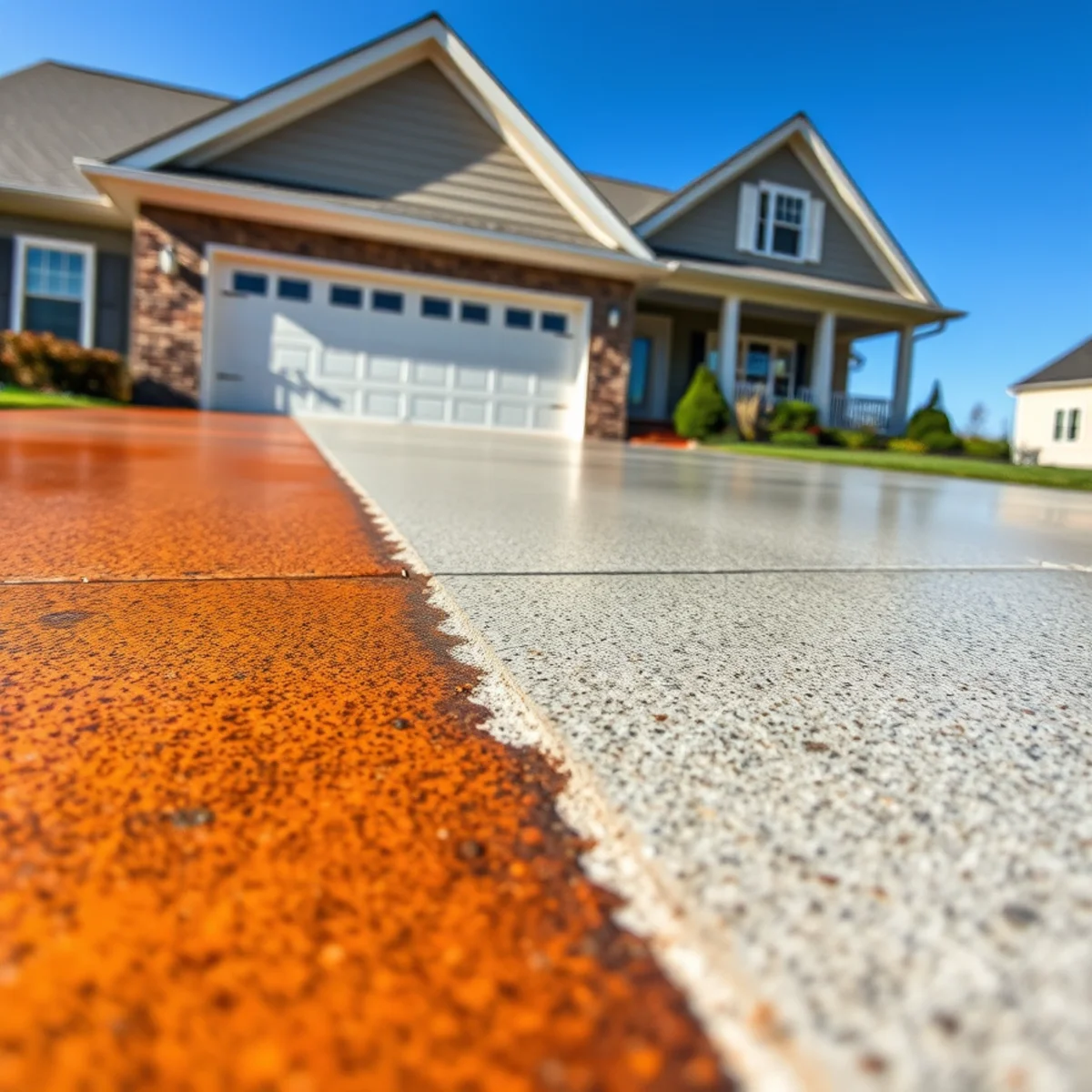
- Spring pollen film and red Piedmont clay baked into siding and concrete — that orange iron-oxide staining chemically bonds to concrete and needs the right treatment, not just water.
- Oil, tire marks, rust, and gum on parking pads and mail-center pads, plus well-water iron and manganese staining on the more rural lots.
Safety, Insurance, and Doing It Right
We're locally owned and fully insured, with a certificate of insurance available to your board on request — no chasing, no excuses. Cutting algae off walkways and pool decks directly reduces your slip-and-fall exposure, which is a liability win the board can take to the table. We use eco-conscious, biodegradable detergents and handle rinse and runoff responsibly to stay in line with NC and EPA expectations. Our techs run commercial-grade equipment with adjustable PSI control, and we protect what surrounds the work — landscaping, lighting, irrigation heads, and painted surfaces all get looked after, not soaked and forgotten.
Serving Lincolnton and the Surrounding Communities
We're based right here in Lincolnton, the Lincoln County seat, about 40 miles northwest of Charlotte — which means we schedule faster than a Charlotte or national chain rolling a truck out to you. We clean communities in Lincolnton proper plus Denver, Iron Station, Lowesville, Westport, Boger City, and Maiden, including Lake Norman-area HOAs with waterfront amenities, dock-adjacent decks, pavilions, and walking trails. We know how fast this climate breeds black streaks and mildew, because we wash it off every week.
If you sit on a board or manage a community around Lincoln County, let's get you a real plan and a real number. Call Hydro Jet PW at +1 (351) 242-0666 for a free on-site assessment and a tailored proposal — COI included, no pressure, just a clean community.

 Concrete & Driveway Cleaning