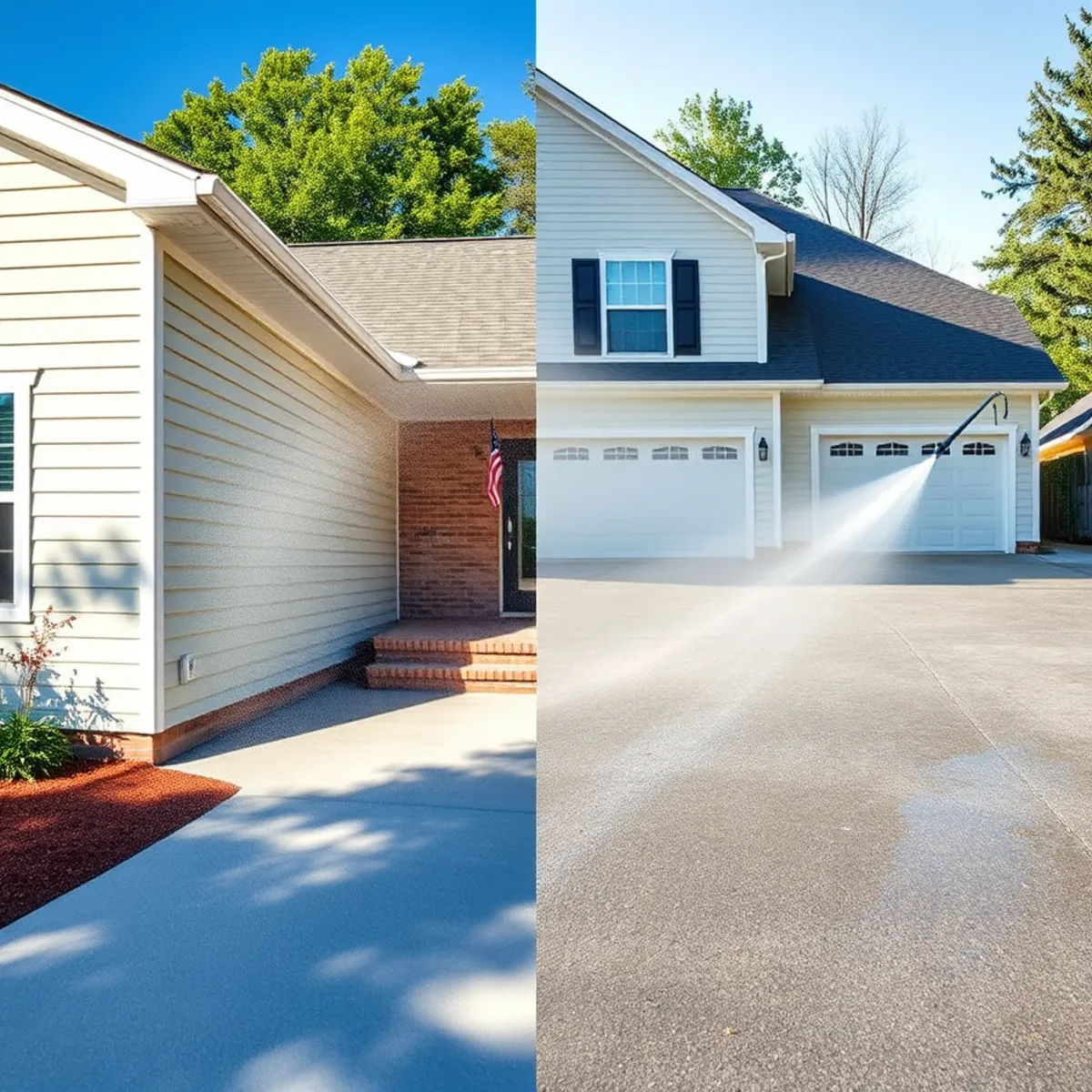
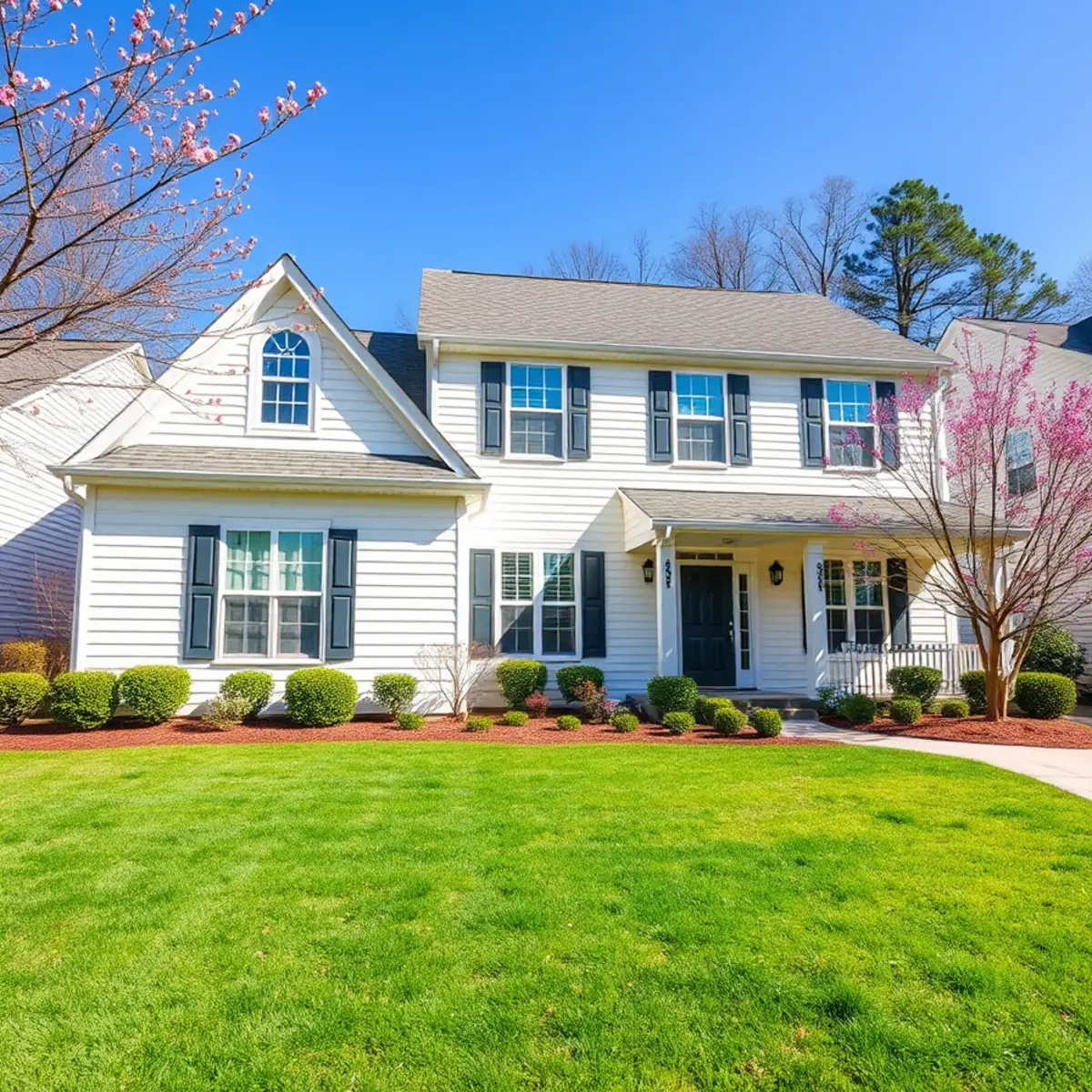
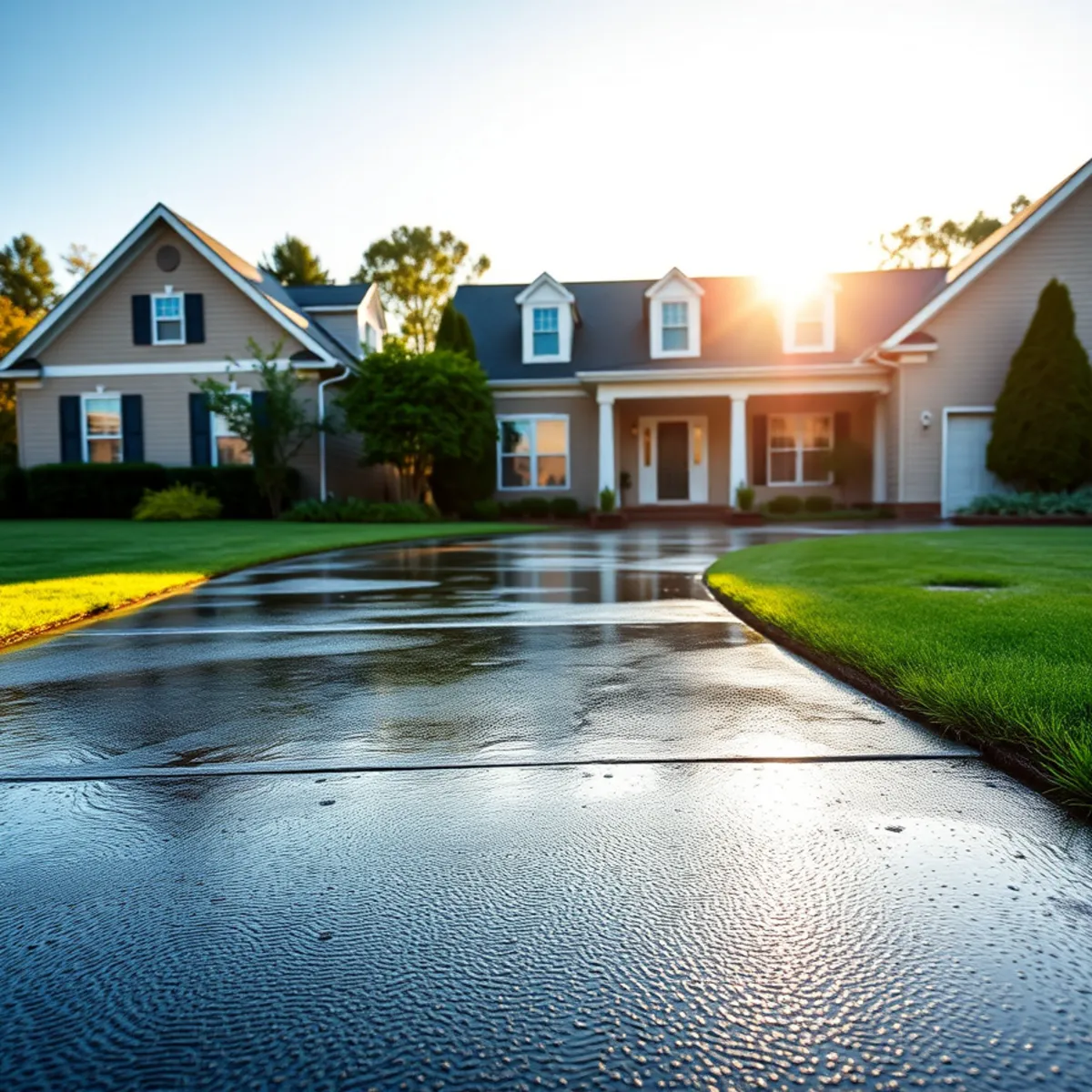
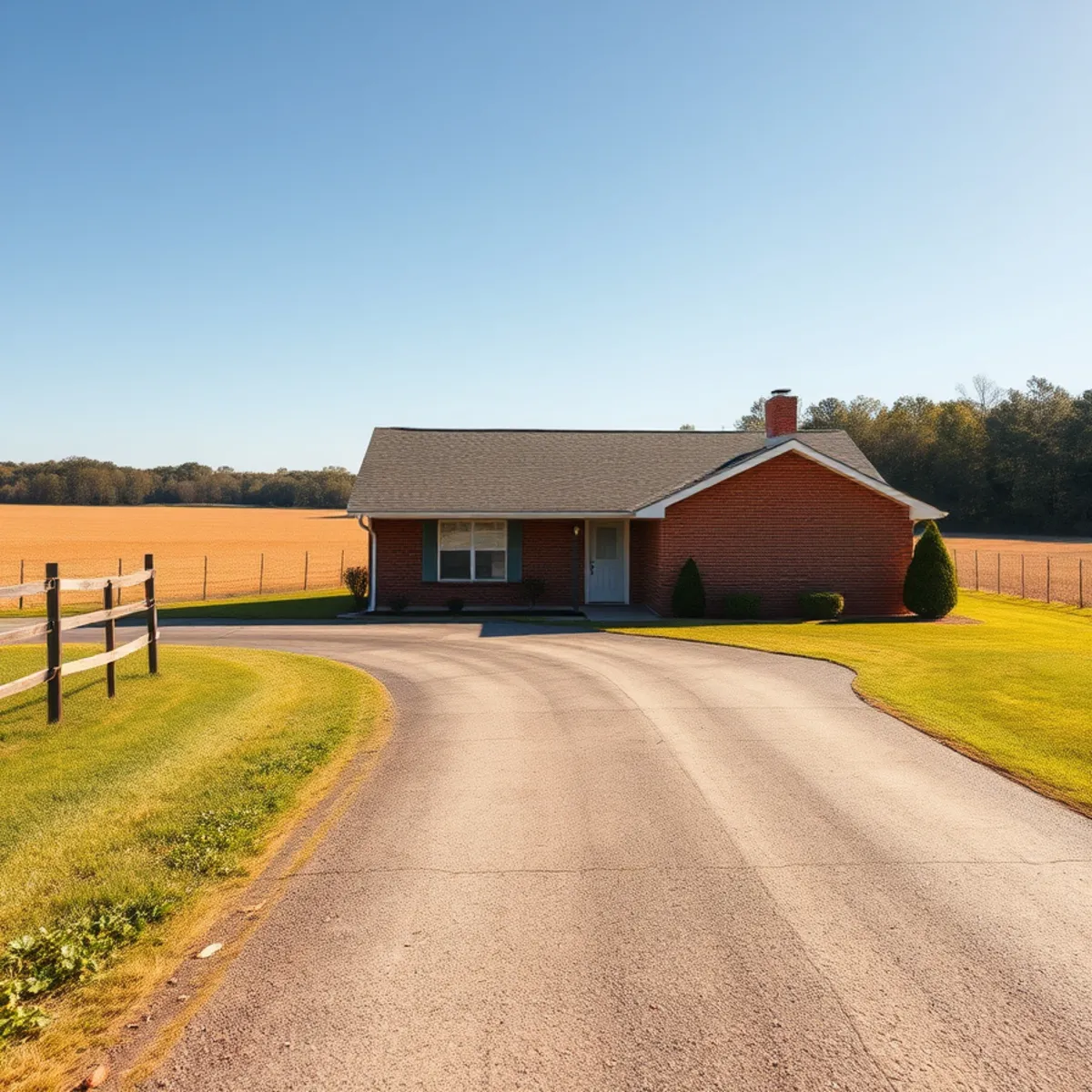
If you live out around Crouse, you already know your place asks more of an exterior cleaner than a house in town does. You're on well water, probably down a long gravel or dirt drive off W HWY 150, St. Marks Church Road, or Reepsville Road, with at least one outbuilding and a lot of trees throwing shade. The red clay tracks everywhere, the spring pollen is brutal, and that well water leaves stains a garden hose will never touch. We're Hydro Jet PW, a local Lincoln County crew run by Caleb, a local firefighter, and we built our pressure washing around the way rural Crouse properties in the 28033 actually get dirty. We soft wash where it counts, run real pressure where it's earned, and we know the difference.
Pressure Washing Built for Crouse's Well-Water Homes
Crouse is about as well-dependent as it gets in Lincoln County. The USGS even tracks groundwater here, with a long-running monitoring well (LI-036) sitting right at Crouse Elementary. When nearly every home pulls its own water from the ground, you get a problem most town crews never have to deal with: iron and minerals in that water leaving orange and brown staining wherever it lands.
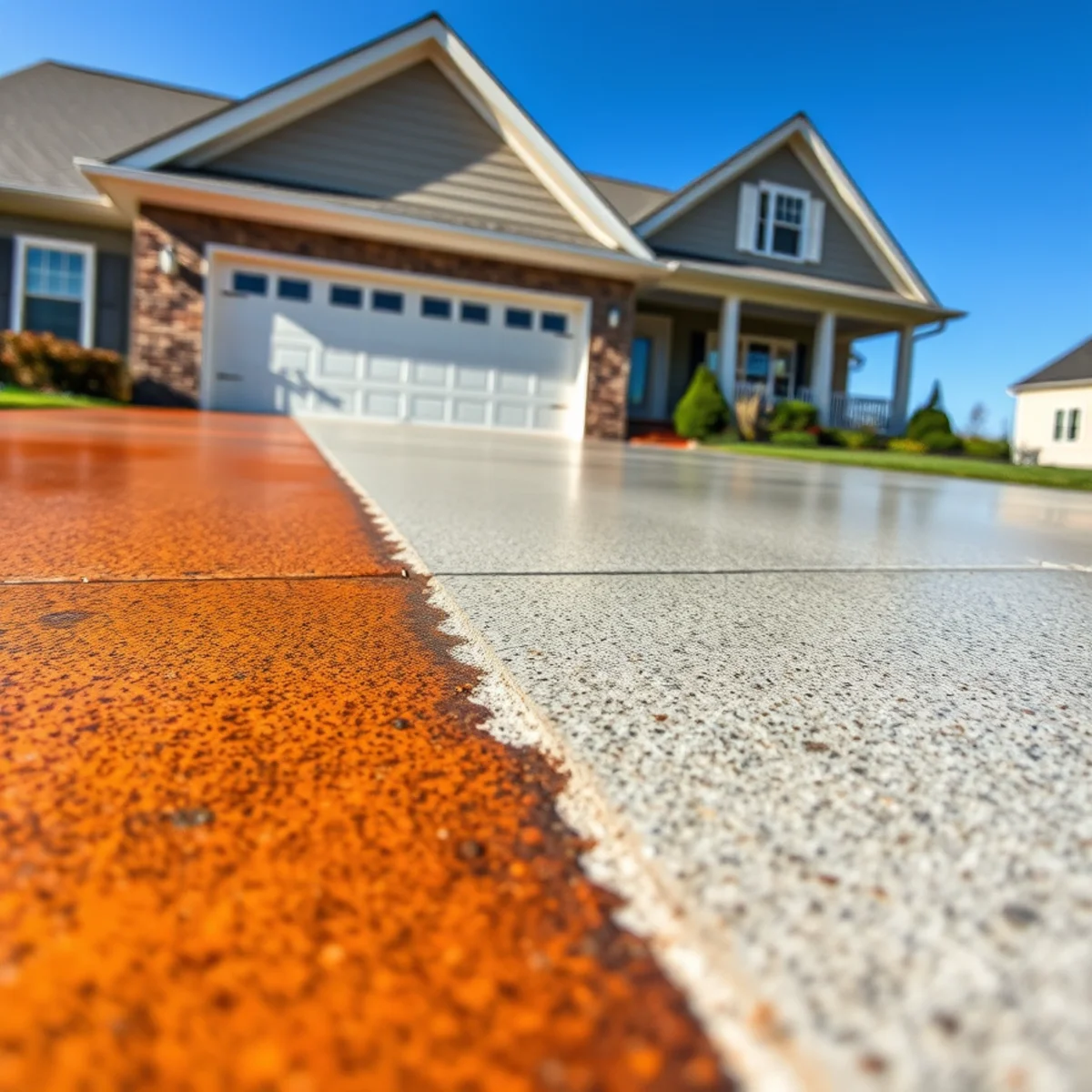
You see it most where a sprinkler or a hose bib throws overspray. Rust streaks creep down brick, vinyl, and painted trim. Walkways and the concrete near spigots go orange. Irrigated beds leave a rust halo on whatever's next to them. That's not dirt, and blasting it with high pressure just etches the surface while the stain stays put. Iron staining is a chemical bond, so it takes a targeted rust treatment to break it loose, not more PSI.
We pre-treat the iron and mineral staining with the right product, then lift it with a low-pressure soft wash that won't etch brick, scour vinyl, or strip your painted surfaces. And because you're rinsing off your own well, we work clean and conscious of it. We bring what we need, keep an eye on your pump, and we're mindful of water use during a dry spell so we're never running your well down to get a wall clean. It's your water. We treat it that way.
Red Clay, Farm Dust & Gravel Driveway Cleaning
Lincoln County's red clay is iron oxide, and out here in Crouse it gets into everything. It rides in on tires and boots, splashes up onto the bottom of your siding after a hard rain, and stains porches and walkways a rust-orange that no rinse will budge. Like the well-water staining, clay bonds to concrete instead of just sitting on top of it, so it takes a clay-specific pre-treatment first, then a flat surface cleaner to pull it out evenly.
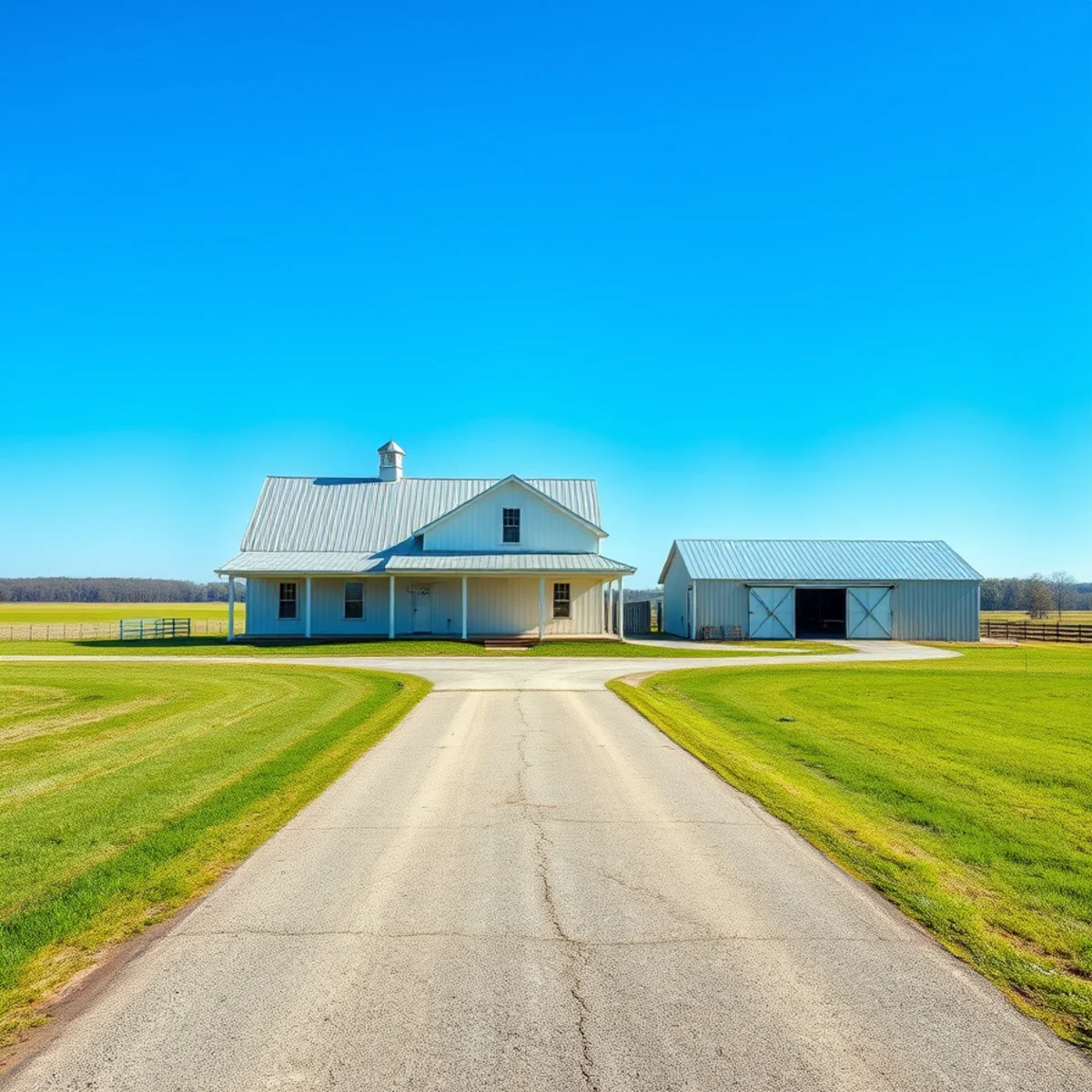
The gravel and dirt drives that are normal off St. Marks Church Road and Reepsville Road make it worse. Every truck that comes up the lane kicks dust onto the house front, the vehicles, and anything parked near where the gravel meets pavement. That transition point, where your gravel drive hits a concrete pad or apron, is where the heaviest buildup collects, and it's the first thing we hit. While we're at it, we'll clean the equipment trailer, the farm gate, and the entry sign by the road so the whole front of the place looks squared away, not just the driveway.
A working Crouse property is rarely just a house. You've got barns, equipment sheds, a chicken coop, maybe a metal pole barn or two, and every one of them collects its own grime: dust, cobwebs, bird residue, and a green-and-black film of mildew and algae on the shaded sides. The north-facing walls and anything under tree cover stay damp longest, and that's exactly where the algae digs in.
Metal and painted outbuildings need a soft touch. Hit a steel panel with high pressure and you'll dent it or drive water up behind the trim and into the structure. We soft wash those surfaces, lifting the mildew and algae at the root with detergent and a gentle rinse instead of brute force. A lot of folks call us before they repaint a barn, re-roof a shed, or put a property on the market, because a clean structure shows what you're actually working with and saves you from painting over algae that'll just bleed back through.
Pollen Season House Washing in Crouse
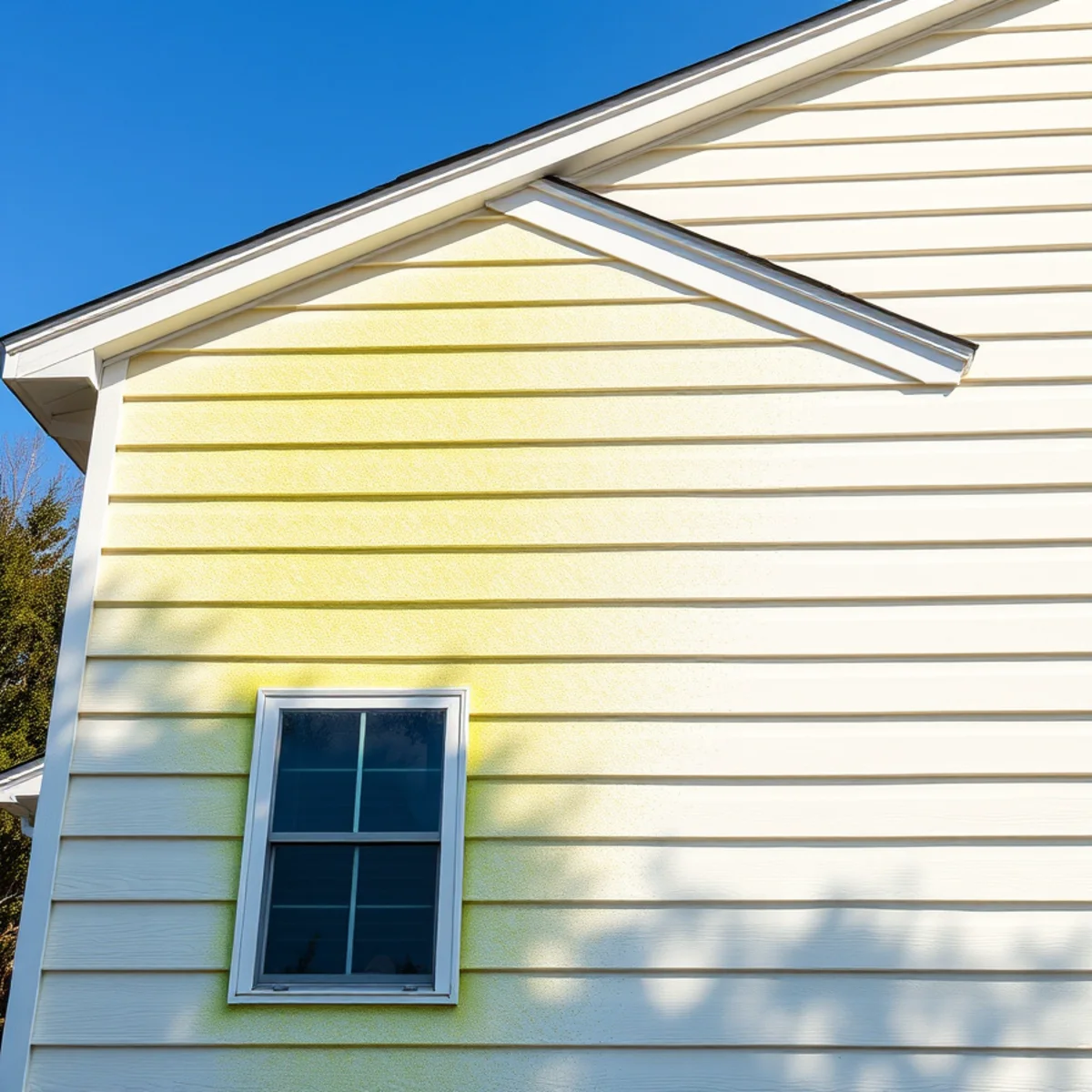
Every spring the pine and oak pollen coats the whole place. Out here with the tree cover heavy along the rural roads, it's worse than in town. It films over your siding, fills the screened porch, dusts the outdoor furniture, and turns north-side walls a sickly yellow-green. Left alone, that pollen film holds moisture against the wall and basically feeds the mildew, so a pollen problem in April becomes an algae problem by July.
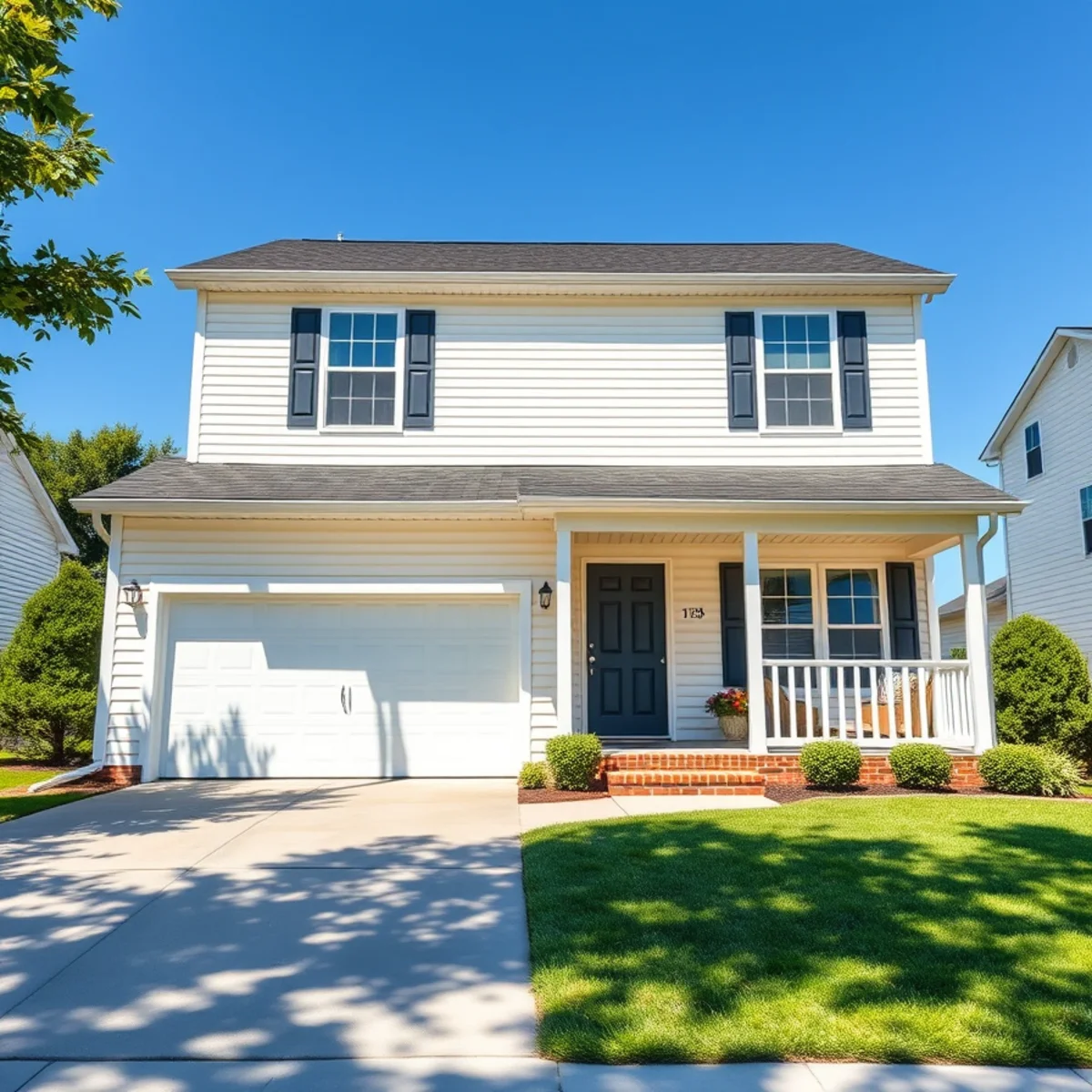
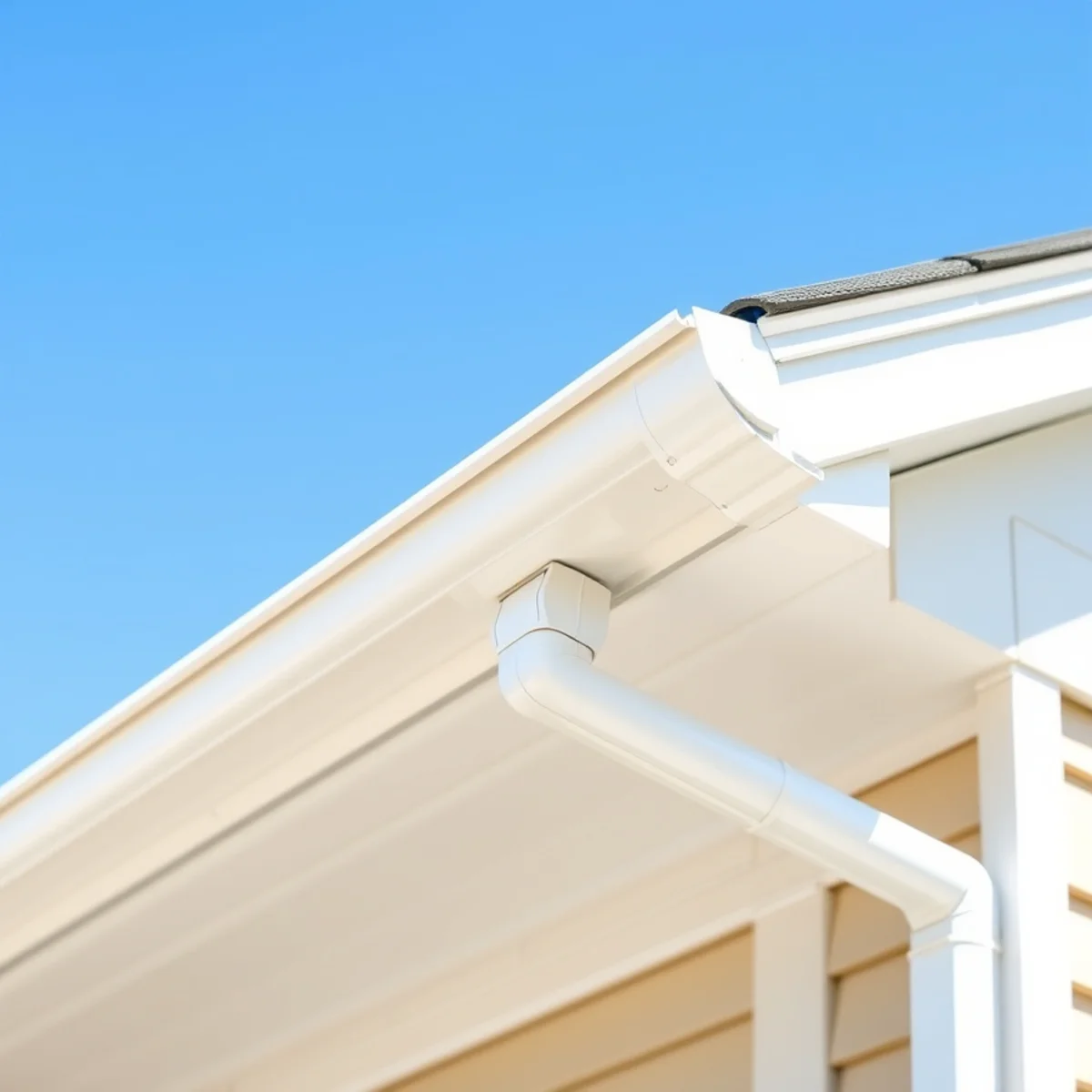
An annual spring soft wash is the fix, and for a lot of Crouse families it's just become part of the spring routine, same as cleaning out the gutters. We bring vinyl, Hardie board, and brick back bright, and we don't stop at the walls. We clear the screen enclosures, the gutters, and the porch ceilings too, so the whole envelope of the house is actually clean and not just the parts you can reach from the ground.
Driveway, Sidewalk & Concrete Cleaning
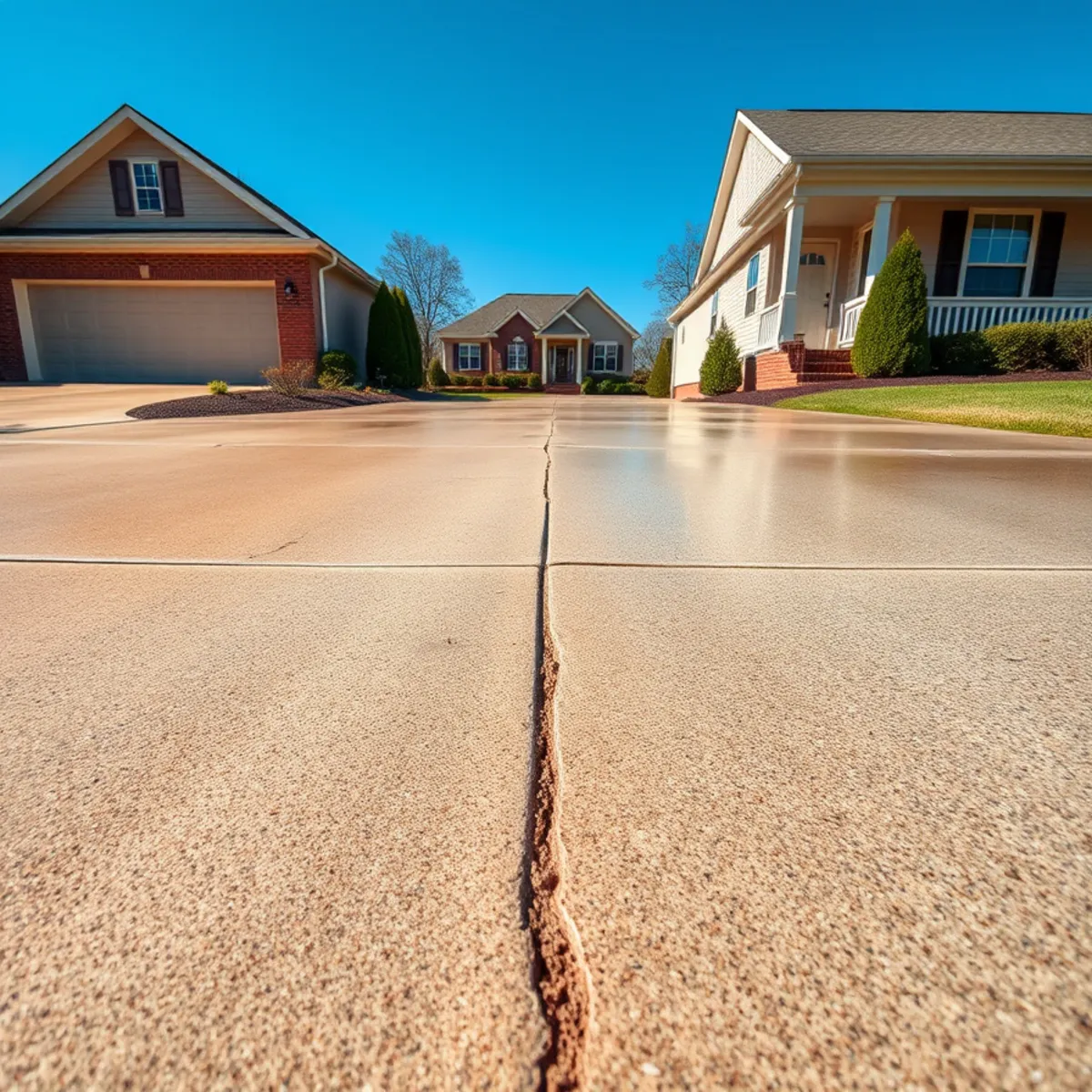
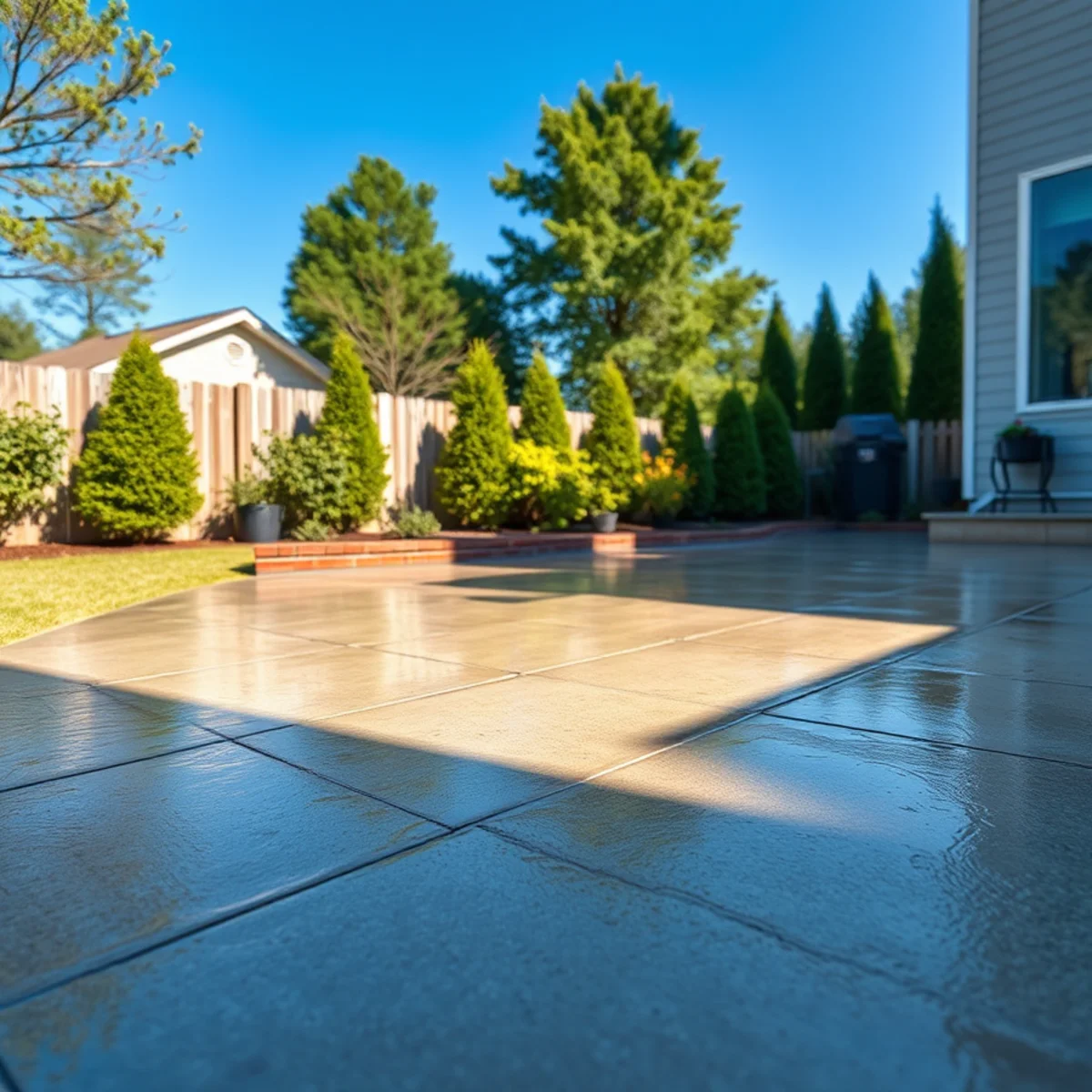
Once the clay and organic staining are pre-treated, we run a flat surface cleaner across your driveway, sidewalks, and patios for an even, streak-free finish. That tool matters out here: a guy waving a pressure wand leaves zebra stripes all over your concrete, and on a long rural drive that looks worse than the dirt did. A surface cleaner lays the cleaning down flat and consistent edge to edge.
We get into the spots a rushed crew skips, too: the concrete around the well head, the pad under the propane tank, the apron by the outdoor spigot. And we treat the rust streaks that well-water sprinkler overspray leaves on concrete and brick with the same iron-stain approach we use on siding, so those orange lines actually come up instead of just getting wet.
Roof Soft Washing for Farmhouses & Ranch Homes
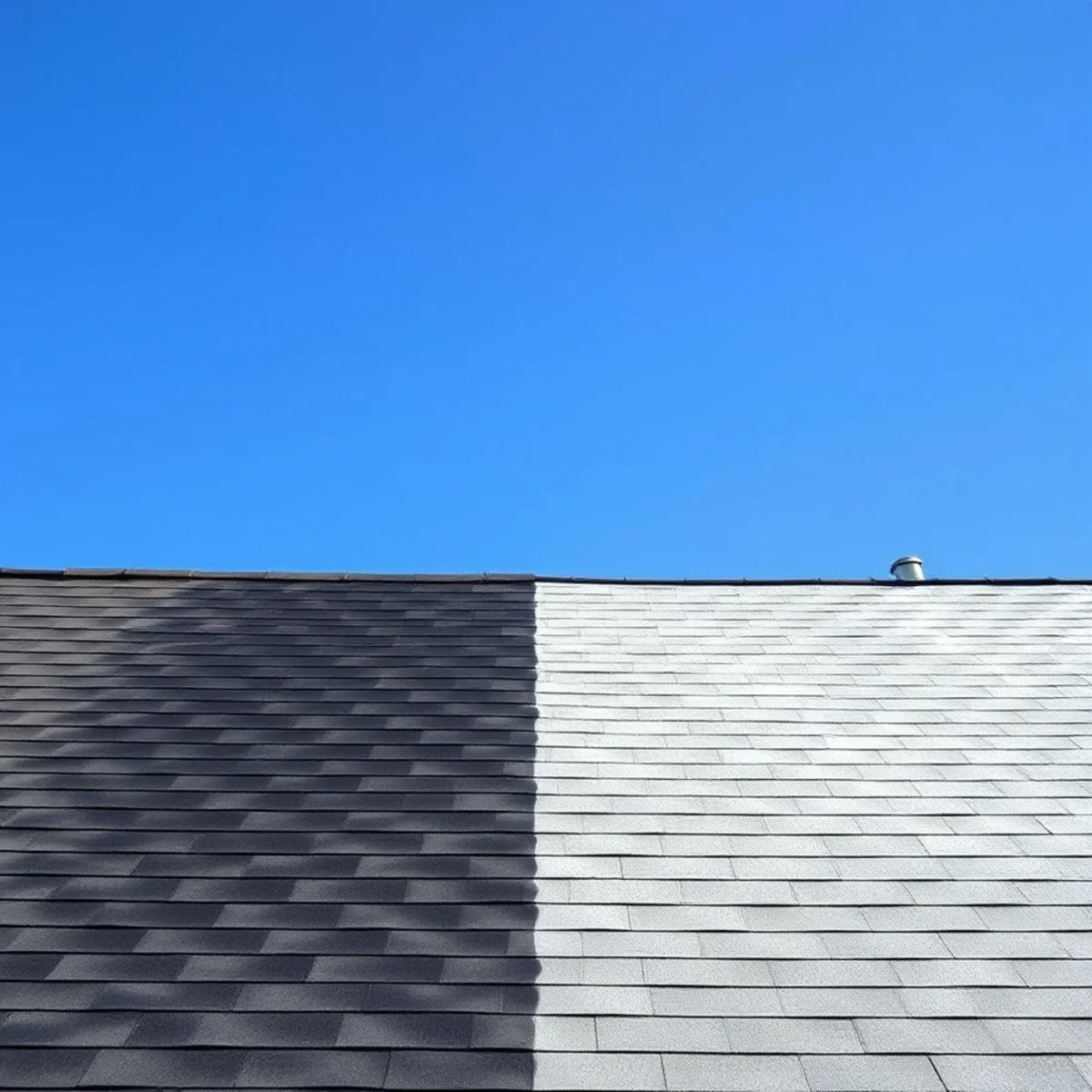
Those black streaks running down the roof are gloeocapsa magma, a living algae, and the humid, tree-shaded setting around Crouse is exactly what it loves. Overhanging oaks and pines next to the older farmhouses out here keep roofs damp and shaded, which speeds up moss and algae and lets it dig in fast.
Roof cleaning is soft wash only, every time. We never put a pressure wand or a boot's weight to your shingles, and we never blast a metal roof or its ridge vents. We treat the algae with low-pressure detergent that kills it at the root, on asphalt shingle and metal alike, and a proper soft wash keeps those streaks gone a lot longer than a quick rinse that just knocks the surface off. Walking and blasting a roof costs you shingle life and risks leaks. We don't work that way.
Serving Crouse and the NC-150 Corridor
We're local to the 28033 and the W HWY 150 and Old NC 150 corridor that runs through Crouse, past the Crouse Volunteer Fire Department over at Station 8 and out toward the elementary school. We know the rural addresses, the long private drives, and the places set back off St. Marks Church Road, Pleasant Grove Church Road, and Reepsville Road where the GPS gives up. Long set-back lane is no problem for us, and we'll schedule around your farm routine and the weather instead of making you work around ours.
What Crouse Pressure Washing Costs
Most Crouse house washes and driveway jobs land in the few-hundred-dollar range, depending on the square footage and how much buildup we're dealing with. A bigger ranch home, several outbuildings, or a long drive gets quoted per property, because no two places out here are the same. The smart move is bundling: house, driveway, and barn in one visit drops the cost per surface versus calling us out three times.
We won't guess a price over the phone and stick you with it. Every quote is free and based on walking your actual property, looking at your real stains and your real square footage. Call or text Caleb at +1 (351) 242-0666 for a free, no-obligation estimate. We're a local Lincoln County crew, proud to serve Crouse and the families along the NC-150 corridor.

 Concrete & Driveway Cleaning