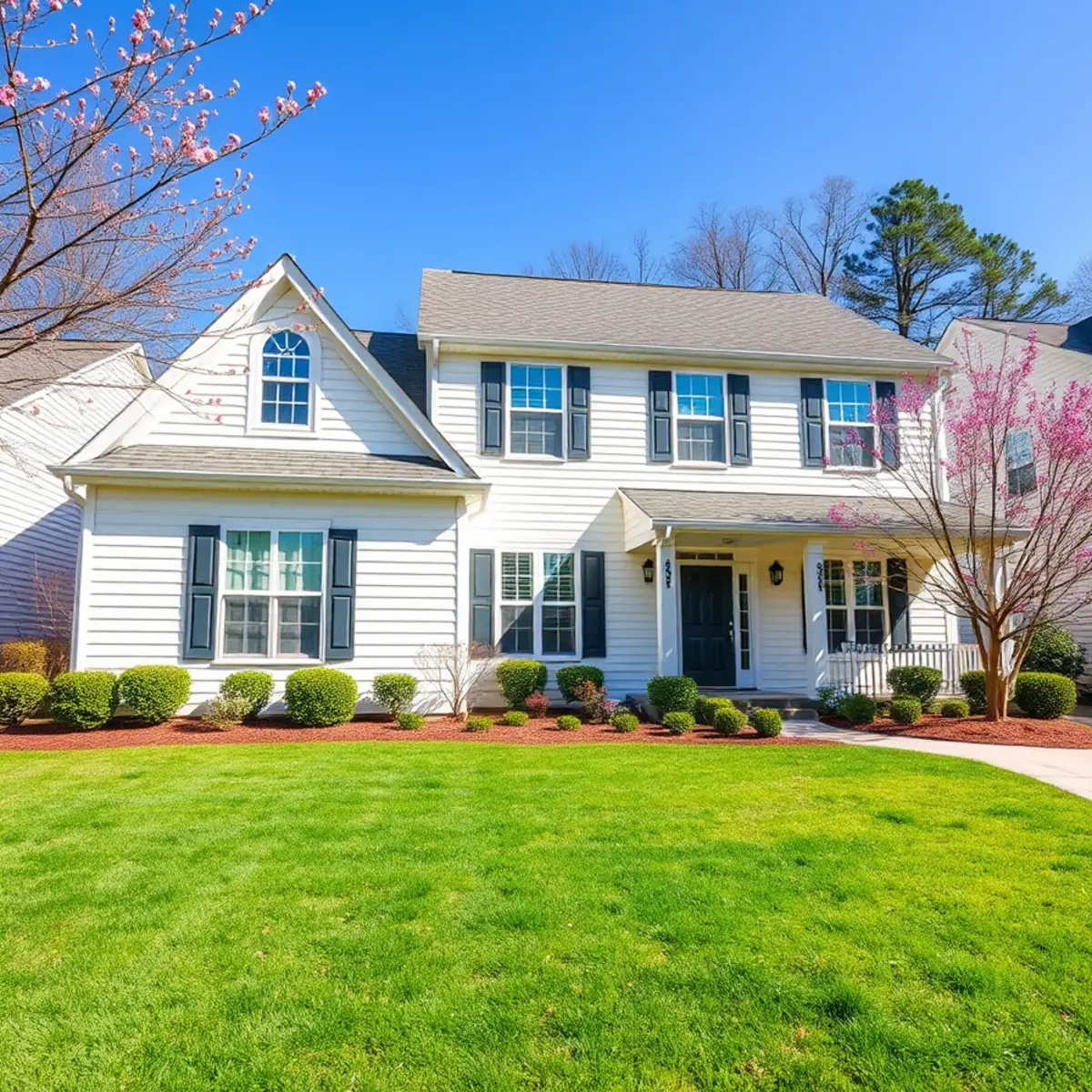
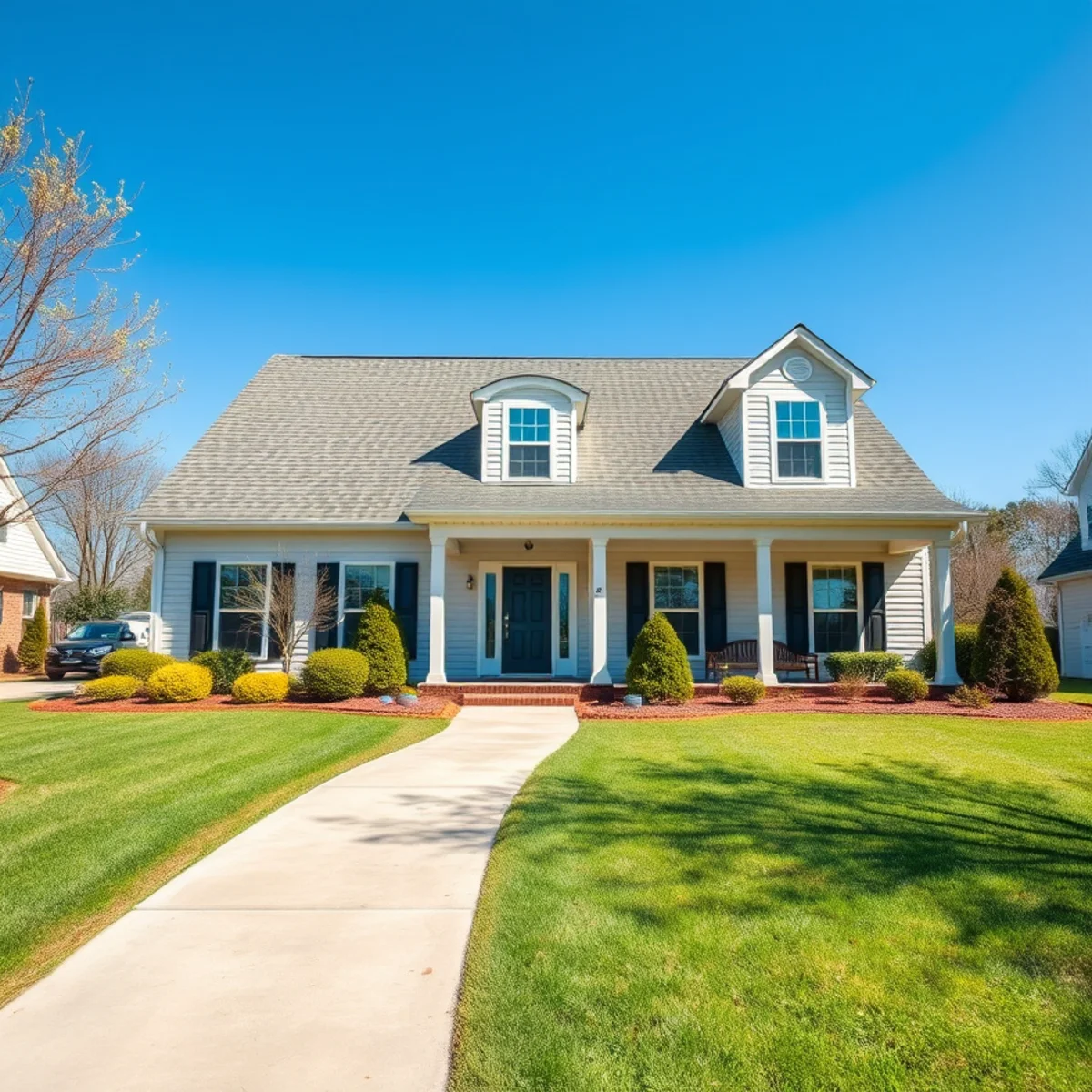
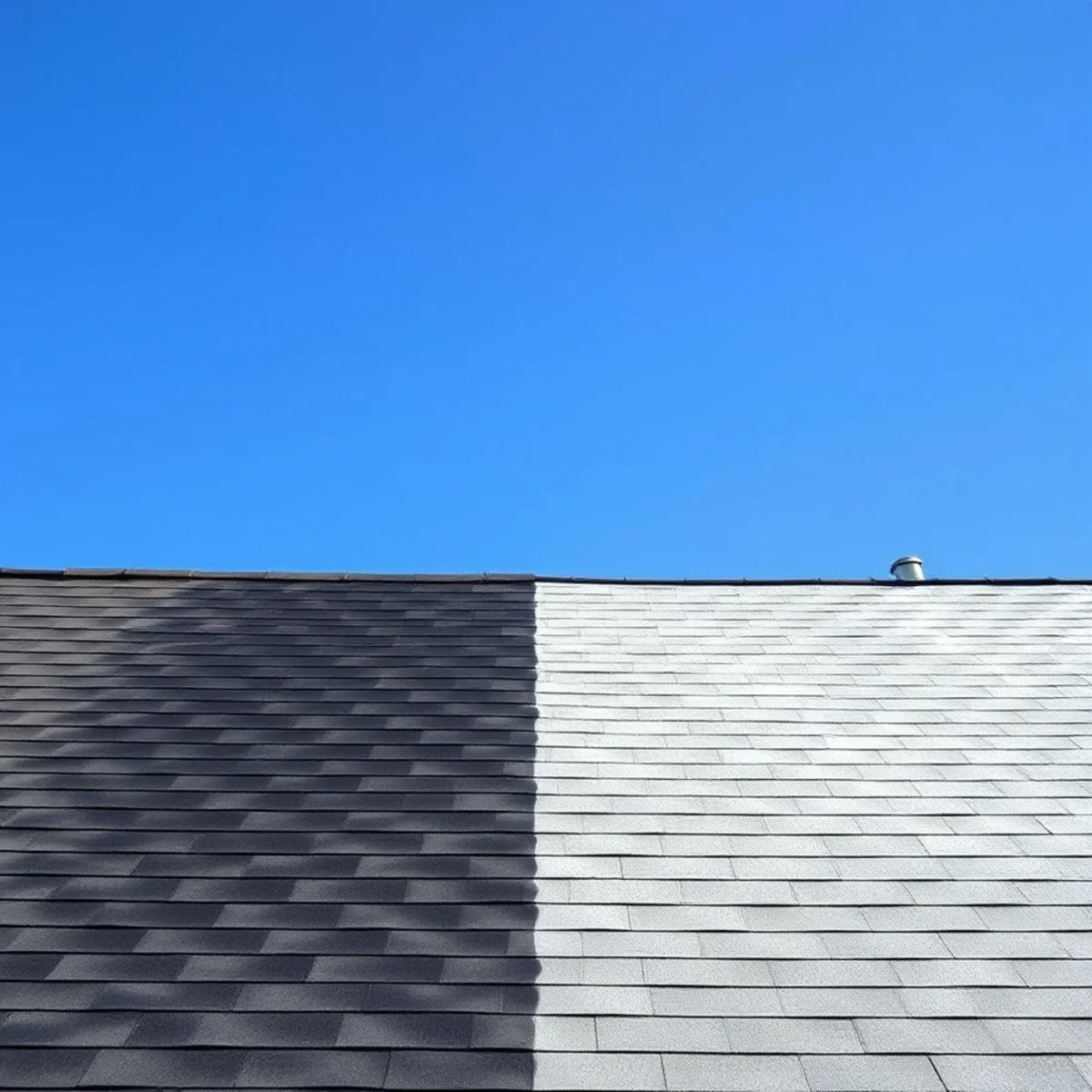
Those black streaks running down your roof are not dirt, and a pressure washer is the worst thing you can put up there. They are algae — a living organism that feeds on your shingles, holds moisture against them, and spreads from roof to roof down a Lincolnton street. Left alone it shortens the life of the roof, raises your cooling bill, and starts drawing eyes from HOA boards and insurance inspectors. The fix is a soft wash done right: low pressure, the correct chemistry, and a crew that knows how to protect your granules, your plants, and your warranty. That is the only way we clean a roof.
What Soft Wash Roof Washing Is (and Why We Never Pressure Wash in Lincolnton)
Soft washing is roof cleaning done at low pressure — under about 100 PSI, gentler than the spray from your garden hose. Instead of force, the work is done by a biodegradable solution: a diluted sodium hypochlorite mixed with a surfactant that clings to the roof, soaks in, and kills the algae, moss, and mildew down at the root. The growth dies, loses its grip, and rinses away clean.
Pressure washing does the opposite. Blasting a roof at 1,500 PSI or more strips the protective granules right off your shingles. A power-washed roof can look clean for an afternoon and age ten years in the process. And because the blasting only shears the top of the growth off without killing it, the streaks come crawling back within a season or two.
Here is our flat rule: Hydro Jet PW soft washes roofs only. We never put high pressure on a shingle, ever. The chemistry kills the organism, so a soft-washed roof stays clean far longer than one that was just blasted off. That is the difference between cleaning a roof and damaging one.
Those Black Streaks Are Gloeocapsa Magma Algae, Not Dirt
The dark stains you see have a name: Gloeocapsa magma, a hardy blue-green cyanobacteria. It feeds on the limestone filler baked into asphalt shingles, and as a colony grows it forms a dark, UV-resistant sheath to protect itself. That sheath is the black staining you are looking at from the driveway.
It almost always shows up first on the north-facing and shaded slopes, because those stay damp the longest. Lincoln County gives it everything it wants — hot, humid summers and those afternoon storms that roll through and leave the roof wet for hours. The algae spreads by spores carried on the wind and washed down by rain, which is why it jumps from one home to the next on tightly built 28092 streets. If your neighbor's roof is streaked, yours is on the menu.
And it is not just an eyesore. That dark colony holds moisture against the shingle, speeds up the breakdown of the asphalt, and absorbs heat instead of reflecting it — which pushes your attic temperature and your summer cooling costs up. A streaked roof is a roof aging faster than it should.
Shingle-Safe and Warranty-Safe: Protecting Your Granules
The granules on your shingles are not decoration. They are the shingle's sunscreen — the layer that shields the asphalt mat underneath from UV. Once granules wear off and that mat is exposed, the shingle dries out, gets brittle, and fails early. Granule loss is the number-one reason roofs die before their time, and high-pressure washing is one of the fastest ways to cause it.
This is also where warranties come in. The Asphalt Roofing Manufacturers Association (ARMA) points homeowners to low-pressure chemical cleaning — soft washing — as the method that is compatible with most shingle warranties. High-pressure washing can do the opposite and void your manufacturer coverage outright. Soft washing preserves the bond between granule and shingle because nothing ever hits the roof hard enough to knock it loose.
The result is a roof that comes back to its original color, with the protective surface fully intact. You get the curb appeal without trading away years of roof life to get it.
Removing Algae, Moss, and Lichen the Right Way
Not every roof growth is the same, and they do not all come off the same way. Algae is the flat black streaking. Moss is the raised, spongy green clumping that loves to pack into the seams and valleys. Lichen is the crusty, grayish-green growth that anchors its roots straight down into the shingle and holds on hard.
Algae rinses fairly easily once the solution kills it. Moss and lichen are stubborn — they are physically rooted in, so they need proper dwell time and sometimes a second application to fully break their grip. What you never do is scrape or blast them. Tearing moss off a shingle tears the granules off right along with it. Done correctly, the soft wash chemistry kills the moss and lichen in place; it dries out, turns brittle, and the next few good rains carry it off the roof for you.
On the shaded, tree-covered lots that are everywhere around Lincolnton and out toward the lake, moss and lichen are usually the first things to take hold — in the valleys, along the north slope, and anywhere a branch keeps the sun off. Those are exactly the spots we read first when we look at your roof.
Metal roofs get dirty too. Algae, oxidation staining, mildew, pollen, and that chalky film all build up on standing-seam and painted metal panels, and soft washing pulls it off without scratching the finish. But metal is its own animal, and the wrong cleaner does real harm.
Copper-based and iron-based products are the danger here. On metal panels they can kick off galvanic corrosion or leave rust staining that bleeds down the roof, so the solution and the rinse both have to be matched to the metal — not borrowed from an asphalt job. We also do not let growth sit, because the trapped moisture under algae and lichen is what seeds oxidation and localized corrosion in the first place. A correct low-pressure rinse keeps the Kynar and painted panel coatings intact, so the roof comes out clean and the finish stays exactly as the manufacturer made it.
Our Soft Wash Process, Done to Protect Your Property
Before any solution goes on the roof, we walk it and read it — the slope, the growth, the valleys, the flashing. Then we pre-wet and tarp the landscaping below and around the work area and make sure plants, pets, and people are clear of any overspray. That prep is not an afterthought; it is the part that protects everything you have growing under the roofline.
From there the solution goes on at low pressure and is given the dwell time it needs to actually kill the growth rather than just wet it. We rinse gently, then we rinse the surrounding beds, grass, and shrubs to dilute and neutralize any runoff. Most roofs are a few hours of work. You will see results immediately, and the roof keeps lightening over the following weeks as rain rinses the dead growth away.
A fair question we hear a lot: will the chemicals kill my plants or hurt my pets? Handled this way — pre-wet, tarped, and rinsed down afterward — the answer is no. The pre-wetting keeps roots from drinking anything concentrated, and the final rinse dilutes whatever reaches the ground. Protecting your yard is built into how we work, not bolted on.
How Long Results Last — and Keeping the Streaks From Coming Back
Because a soft wash kills the Gloeocapsa magma at the root instead of shearing it off the top, the results last. A professional soft wash typically keeps your roof clear for roughly three to five years, where a pressure-blasted roof often streaks again within one or two. How often you need it comes down to shade and humidity — heavily shaded, tree-covered Lincolnton roofs may want it sooner, while a sunny, open roof can go longer.
You can stretch that window further. Zinc and copper strips installed along the ridge release metal ions every time it rains, and those ions wash down the slope and keep new algae from establishing — best installed when you re-roof. Trimming back the branches that overhang the roof and keeping debris cleared off cuts the shade and moisture the algae depends on. And for homeowners who would rather not think about it, we offer recurring maintenance soft washes that keep the roof streak-free on a schedule.
Roof Washing Cost in Lincolnton and Lincoln County
We will give you a real number instead of making you call to find out anything at all. Roof soft washing commonly runs somewhere around $0.30 to $0.75 per square foot, and most single-story Lincolnton roofs land in a few-hundred-dollar range. Your actual price depends on the roof: its size, how steep the pitch is, whether it is one story or two, how complex it is with valleys and dormers, and how heavy the growth has gotten.
Roofs loaded with moss and lichen, or steep roofs that are harder to access safely, take more time and cost more. Asphalt and metal can price a little differently too. The honest way to nail it down is to look at it — we give free, no-obligation quotes on site, or from a few photos if that is easier for you.
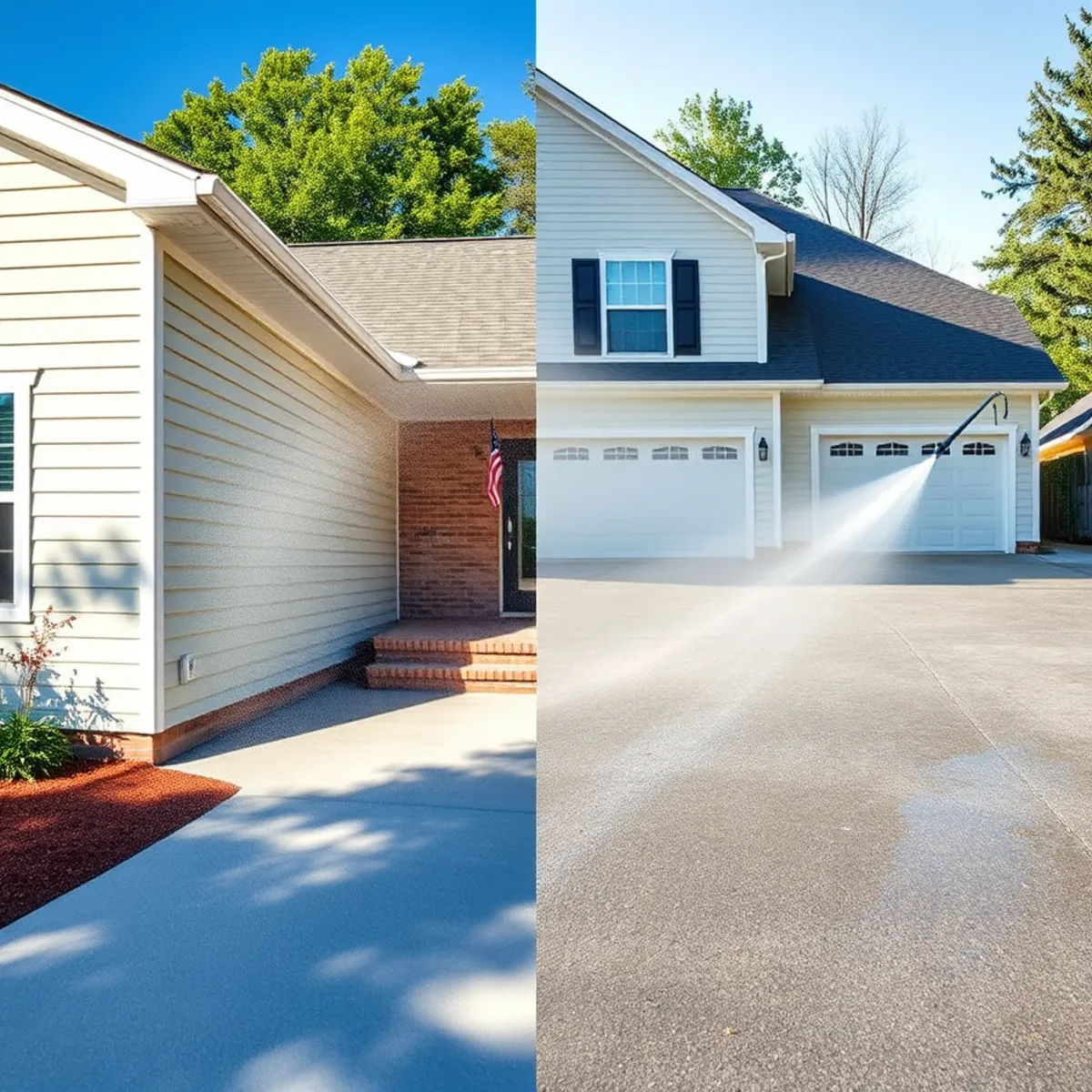
A clean roof is not just looks. It heads off the HOA notice, keeps your roof off an insurer's photo-inspection radar, and protects your home's resale value in Lincolnton's subdivisions and out along the lake. If those black streaks are showing, the sooner we treat them the less they spread — to your roof and your neighbor's. Call Hydro Jet PW at +1 (351) 242-0666 for a free estimate and we will get your roof clean the safe way.

 Soft Washing