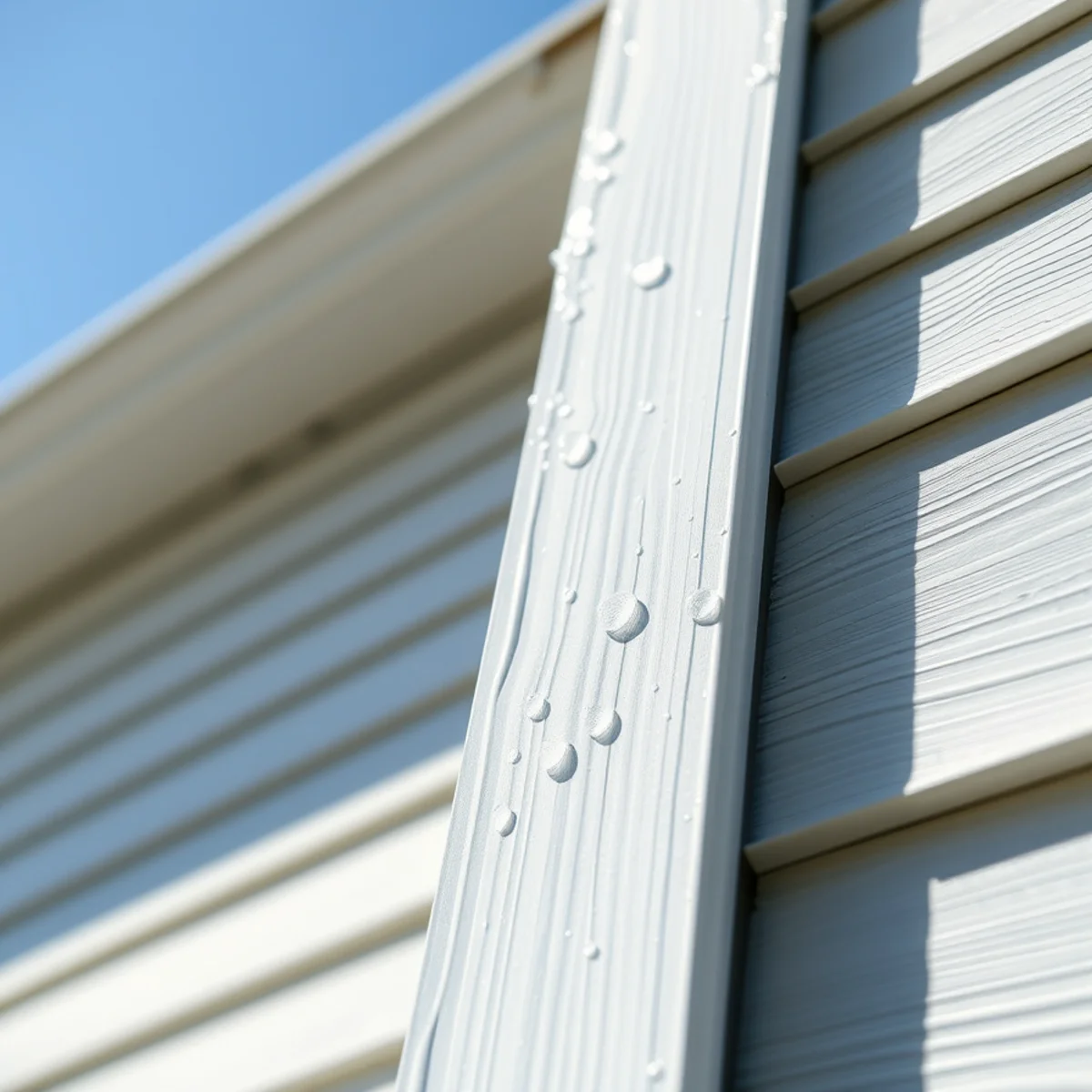
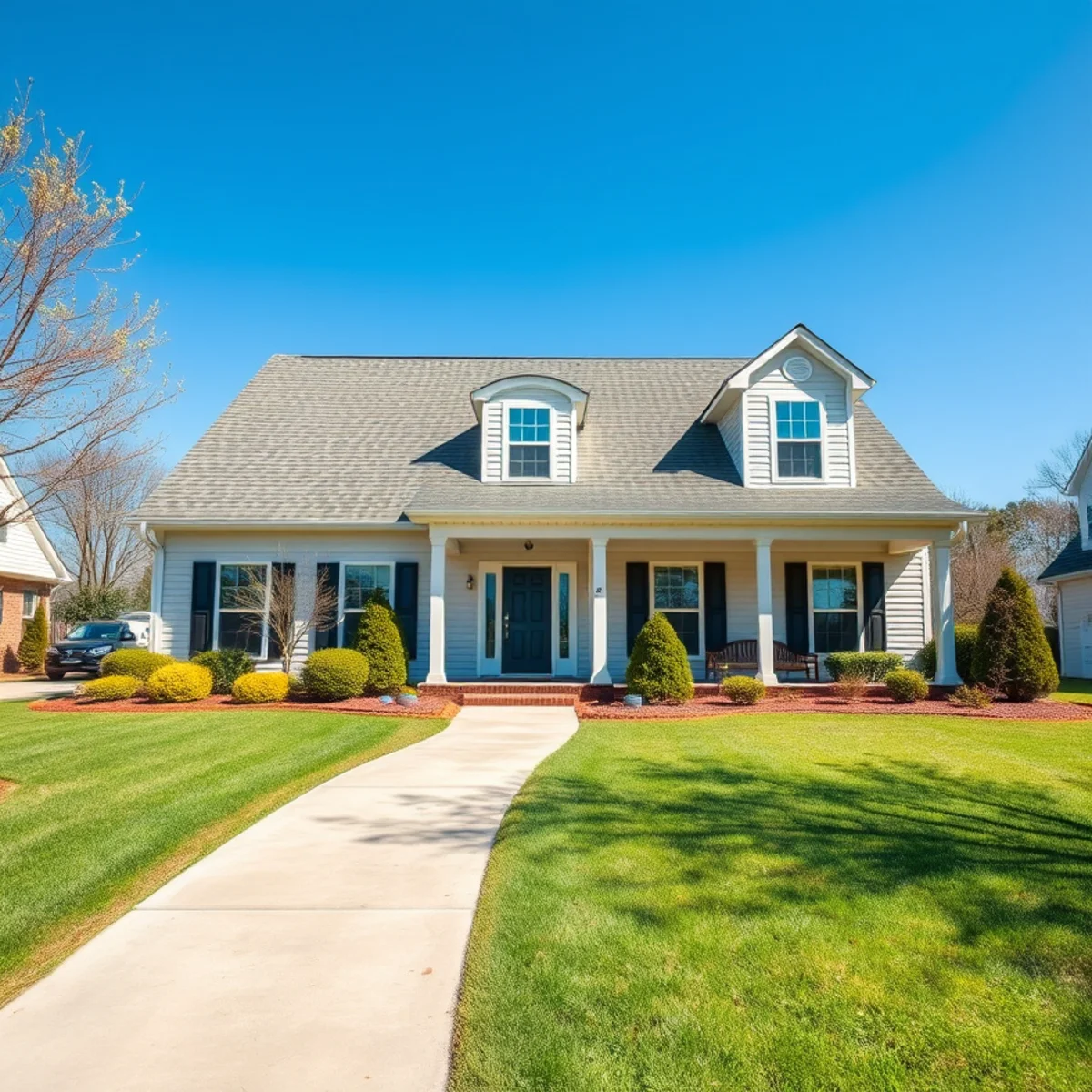
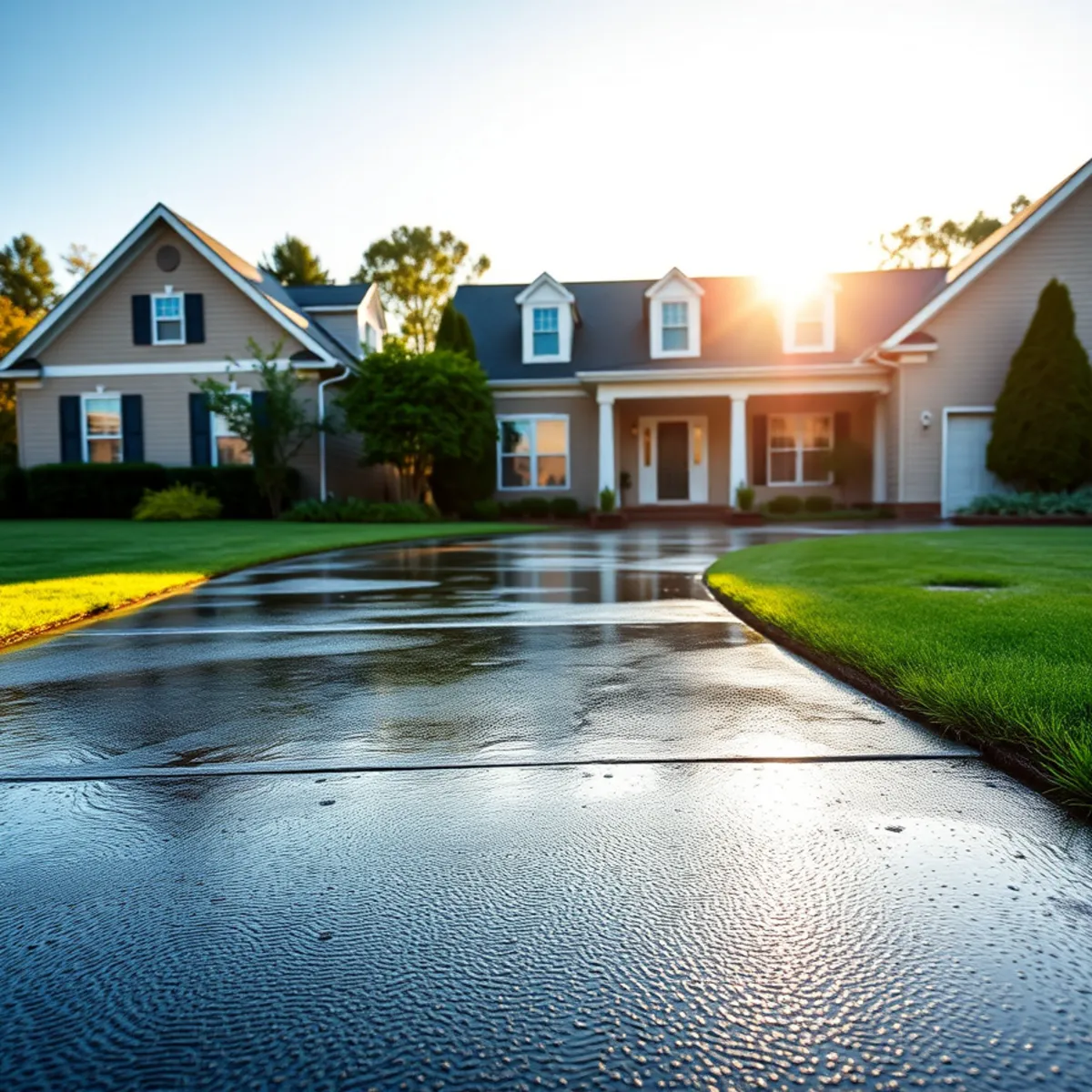
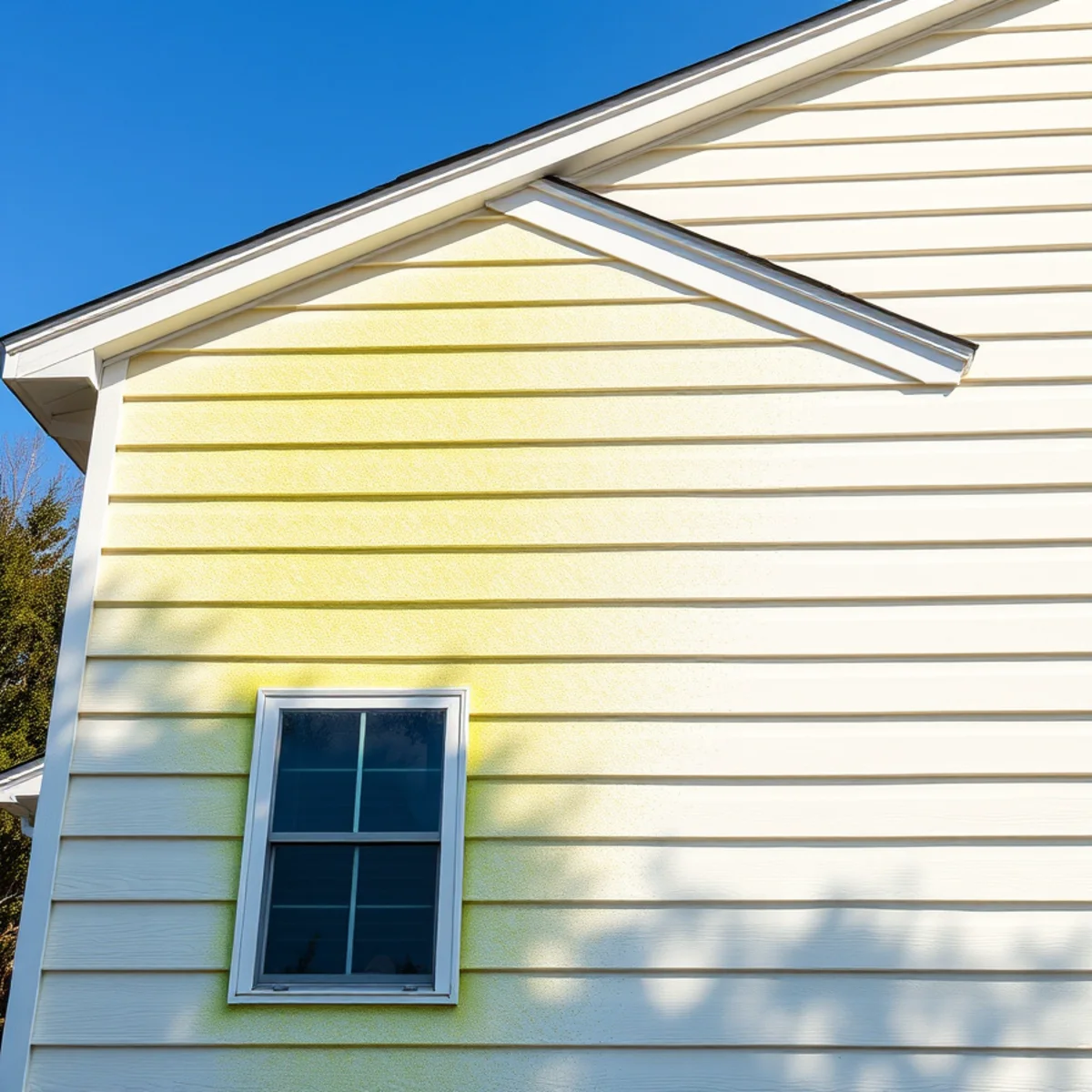
Those green and black streaks creeping across your siding and roof aren't dirt you can blast off. They're living algae and mildew with roots dug into the surface, and high pressure only knocks the top layer down before it grows right back. In Lincoln County's warm, humid air, that regrowth is fast. Soft washing fixes the actual problem: a low-pressure wash that uses the right cleaning solution to kill the growth at the root so your house stays clean far longer.
What Soft Washing Actually Is
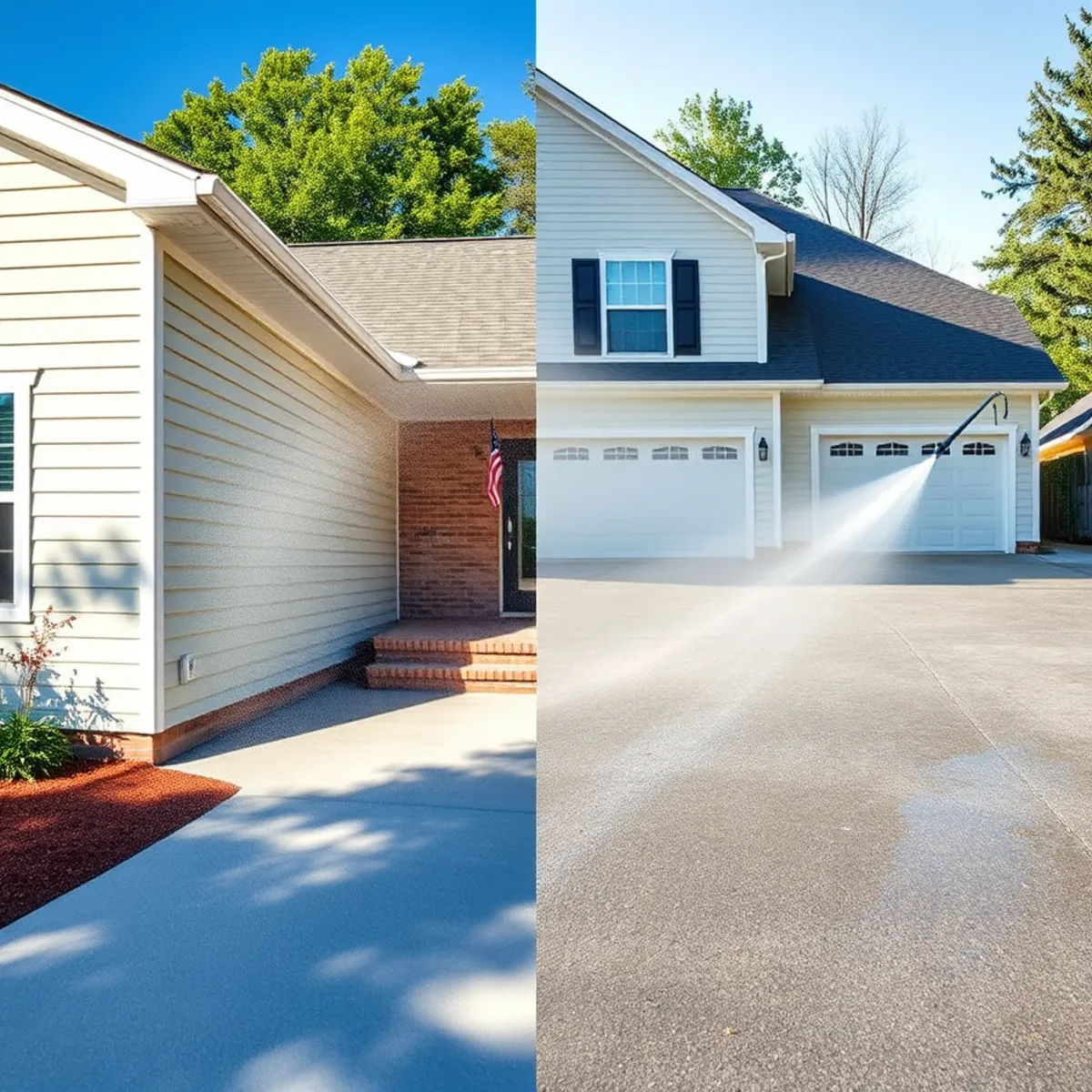
Soft washing is a cleaning method that pairs very low water pressure with a professional cleaning solution. We're talking pressure well under 500 PSI on the wall — often closer to what comes out of your garden hose. Compare that to true pressure washing, which fires 1,500 to 3,000 PSI through a tight jet. On hard, flat surfaces like a concrete driveway or a brick walkway, that high pressure plus a rotary surface cleaner is exactly what you want. On siding, roofs, stucco, and painted wood, it's the wrong tool — and it does real damage.
The whole idea behind soft washing is that the chemistry does the cleaning, not the force of the water. We apply a measured mix of sodium hypochlorite (the algaecide that does the heavy lifting) blended with a surfactant — basically a clinging soap — then let it sit. The solution penetrates the algae, mold, mildew, moss, and lichen and kills it at the root. The low-pressure rinse just carries the dead growth away. Because the organism itself is dead, not just flattened, the surface stays clean for a year or more instead of greening up again in a couple of months.
Pros run this with a downstream injection or 12-volt soft wash system that meters the solution at the correct strength and feeds it through the line. That's how we hold a consistent, safe mix across a whole house instead of guessing with a bucket and a brush.
Why Soft Washing Beats High Pressure in Lincoln County
Our corner of the Piedmont is a perfect storm for organic growth. Warm summers, heavy Carolina humidity, thick spring pollen, and a lot of tree-shaded and lake-area lots that stay damp. North-facing walls and anything under an oak canopy barely see direct sun, so green and black algae take hold and won't let go. Properties around Lake Norman, Sherrills Ford, and Denver hold extra moisture off the water, which only feeds it faster.
Then there's the red clay. Piedmont soil is loaded with iron oxide, and when that rusty clay splashes up onto vinyl, brick, or concrete during a hard rain, it leaves an orange-brown stain that chemically bonds to the surface. Generic high-pressure outfits tend to just blast at it, which can etch siding and force water behind it. Soft washing treats clay staining and well-water iron with the right solution instead of brute force. On rural lots running on well water, that iron and manganese staining is its own recurring headache, and chemistry handles it far better than a pressure wand.
The bottom line: low pressure protects your home. It won't drive water up under your siding or behind your trim, it won't blow the protective granules off your shingles, and it won't gouge soft cedar or chalky old vinyl. It cleans the surface and leaves the surface intact.
The Chemistry, and Why It's Safe Done Right
A good house wash mix runs roughly 1 to 3 percent sodium hypochlorite at the wall — strong enough to kill the growth, gentle enough not to harm your finish. Roofs get a touch stronger because the colonies up there are more stubborn. The surfactant we add does two jobs: it makes the solution cling to vertical walls so it doesn't just run off, and it lets the mix work into seams, crevices, and textured surfaces where mildew hides. That cling buys the dwell time the algaecide needs to actually penetrate and kill.
The key word is tailored. We don't run one mix on everything. Smooth vinyl, painted wood, fiber-cement Hardie board, stucco, and shingles all get a strength and dwell adjusted to the surface. Correct dilution and a thorough rinse are what keep the wash safe for your finish, your landscaping, your pets, and your family. Anyone can buy bleach. Knowing the right ratio for each surface — and rinsing properly so nothing is left to keep working — is the part that separates a pro soft wash from a risky DIY job.
Surfaces Where Soft Washing Is the Only Right Choice
Vinyl, aluminum, and Hardie siding all clean up beautifully with low pressure and the right solution — and the oxidation that turns old vinyl chalky comes off in the process. Stucco, EIFS, and Dryvit must be soft washed; high pressure cracks the finish and drives water into the wall system. Painted wood, cedar, and delicate trim stay protected because there's no jet to strip paint or splinter the grain. Screens, soffits, fascia, gutters, fences, and outdoor structures all benefit from the same gentle, growth-killing approach — including the spider webs, wasp nests, and organic film that build up in the shaded corners.
Roof Soft Washing and Those Black Streaks
Those dark streaks running down your asphalt shingles aren't dirt or "aging." They're a cyanobacteria called Gloeocapsa magma, and it feeds on the limestone filler in modern shingles. Once it gets going in our humidity, it spreads across the whole roof and brings moss and lichen along with it.
Here's why pressure washing a roof is a serious mistake: the high-pressure jet strips the protective ceramic granules right off the shingle, shortening the roof's life and often voiding the shingle manufacturer's warranty. The asphalt roofing industry's own guidance (ARMA and the shingle makers) calls for a low-pressure, chemical cleaning — exactly what soft washing is. We apply an algaecide that kills the Gloeocapsa magma colony at the root, then rinse gently. The streaks lift, the moss and lichen die off, and because the colony is dead rather than just knocked back, you get a clean roof that holds for years. That also means less moisture sitting on the roof, slower aging, and a roof that reaches the lifespan you paid for.
Is It Safe for My Plants, Pets, and Home?
Done right, yes. A properly diluted solution is safe for the vast majority of exterior surfaces when a trained crew applies it. We protect your landscaping the whole way through: beds and shrubs get pre-wet so foliage can't absorb the solution, sensitive plants get tarped, and everything around the work area gets rinsed and neutralized when we finish. The low pressure itself is a safety feature — it never forces water behind your siding or up under your shingles.
We do ask that pets and kids stay inside during the application. Once everything has dried, the area is safe again. And if you've got especially sensitive landscaping or you'd just prefer it, ask us about a green, oxygen-bleach-based alternative for those areas. We'd rather adjust the plan than risk your garden.
What Soft Washing Costs Around Lincolnton
Pricing depends on the home, but here's the honest range. A house wash generally runs about $0.12 to $0.25 per square foot, which lands most average Lincoln County homes in the few-hundred-dollar range. Roof soft washing usually runs $0.15 to $0.60 per square foot, with most jobs falling between a couple hundred dollars and around $1,200. What moves the number is home size and number of stories, the surface type, how heavy the algae and mildew growth is, how much shade keeps it damp, and how easy the access is.
One thing worth weighing: because soft washing kills growth at the root, you clean less often than you would chasing it with a pressure washer every few months. That's real savings over time, not just a one-day result. Every quote we give is a free, no-obligation written estimate, so you know the price before we ever pull a hose.
How Often Lincolnton Homes Need It
Most homes here do well with an annual house wash. Heavily shaded or tree-lined lots — and a lot of the wooded and waterfront properties around Denver, Iron Station, and the lake — may want it every six to nine months because they stay damp longer. Roofs are typically a two-to-three-year cycle to keep the black streaks from coming back, stretching toward three to five years on sunnier, lower-humidity exposures. Spring and fall are the natural windows: a spring wash clears off the winter grime and that thick yellow pollen, and a fall wash sets you up clean through the wet season. Staying on a regular schedule protects your property value, keeps you out of trouble with the HOA, and extends the life of your siding and roof. If you'd rather not track it, we can set up a simple maintenance plan and just show up.
Serving Lincolnton and the Surrounding Communities
Lincolnton is our home base, and we cover the neighbors too — Denver, Iron Station, Maiden, and Cherryville, plus nearby Gastonia, Mooresville, Sherrills Ford, Hickory, and the greater Lake Norman area. We know these conditions firsthand: the red clay that stains everything, the lake-area humidity that grows algae overnight, and the shaded lots that never quite dry out. Hydro Jet PW is locally owned, licensed, and carries dedicated pressure-washing liability insurance, and we back our work with a written re-clean guarantee.
If your siding's gone green, your roof's streaked black, or the red clay has crept up your walls, we'd be glad to take a look and give you a straight answer. Call or text the crew at +1 (351) 242-0666 for a free, no-obligation estimate — we'll tell you exactly what your home needs and what it'll cost, no pressure either way.

 Soft Washing