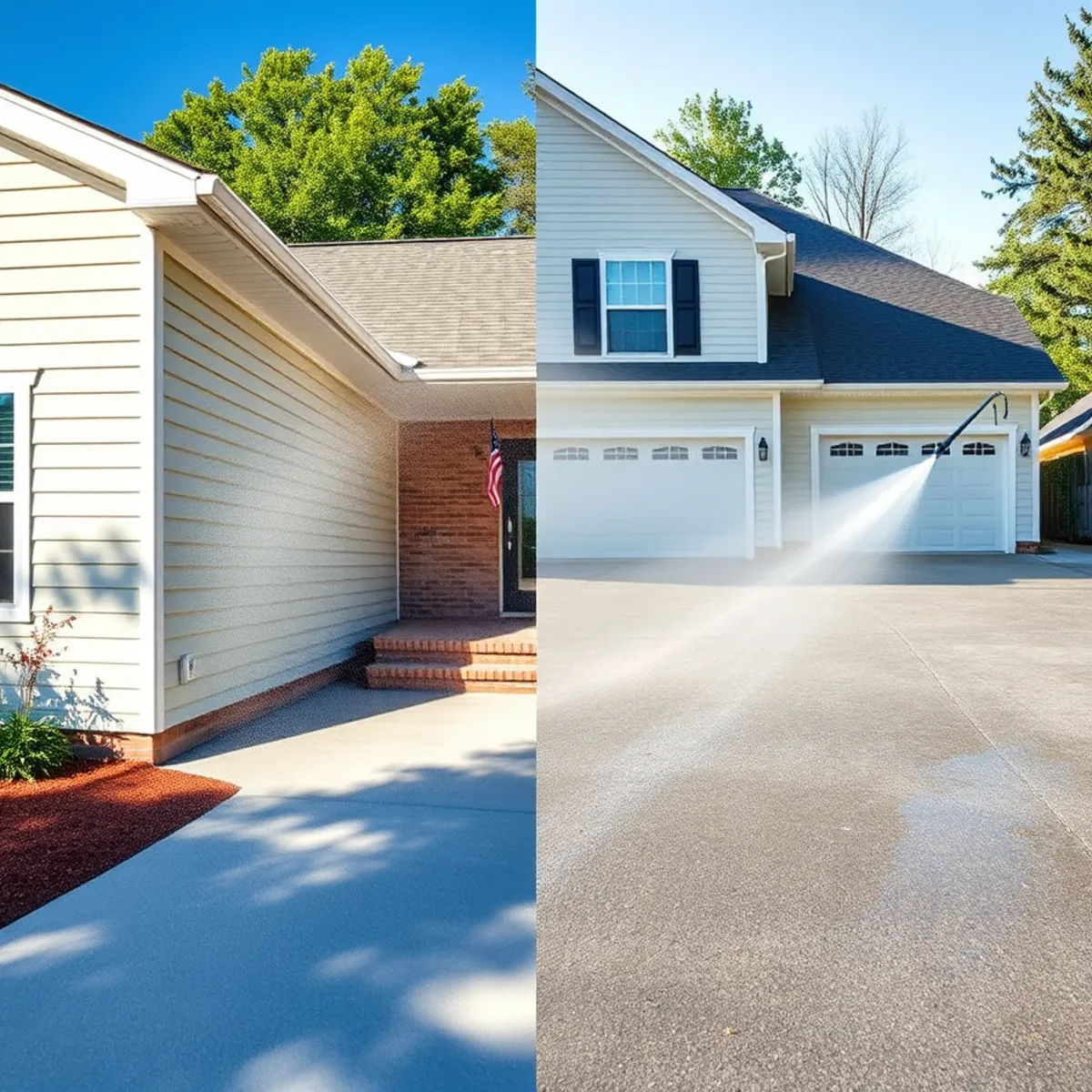
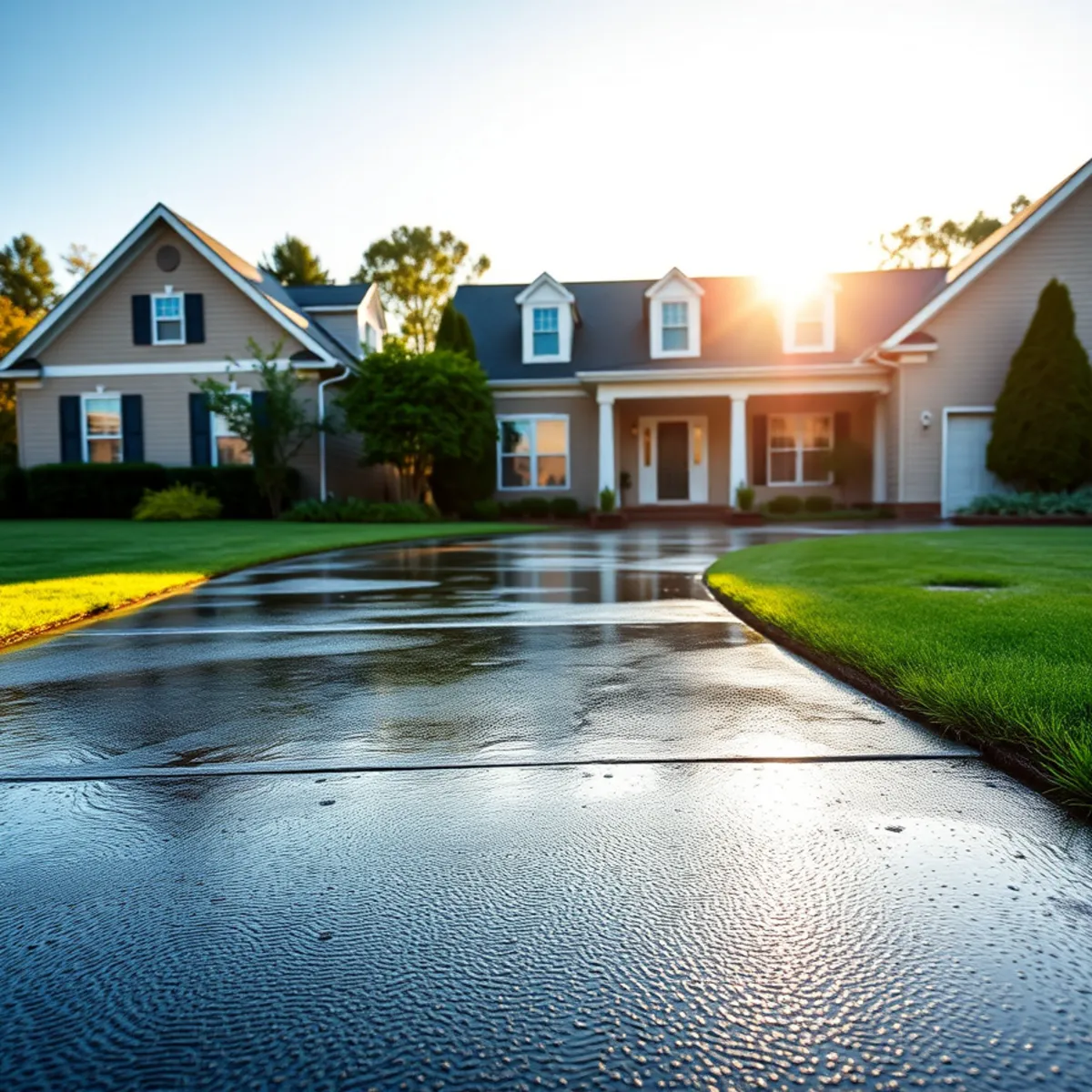
Belmont sits in a tough spot for exterior dirt, pinched between the Catawba River and Lake Wylie, where the air stays damp and algae never really takes a day off. We're Hydro Jet PW, a Gaston County crew run by Caleb — a local firefighter who does the work himself — and we wash homes here every week, from the waterfront peninsula off South Point Road to the brick storefronts on Main Street downtown. We match the method to the surface, soft wash where it's needed and surface-cleaner pressure where it's earned, so your siding, roof, concrete, and dock all get cleaned the right way.
Lake Wylie Waterfront & Dock Cleaning on Belmont's Peninsula
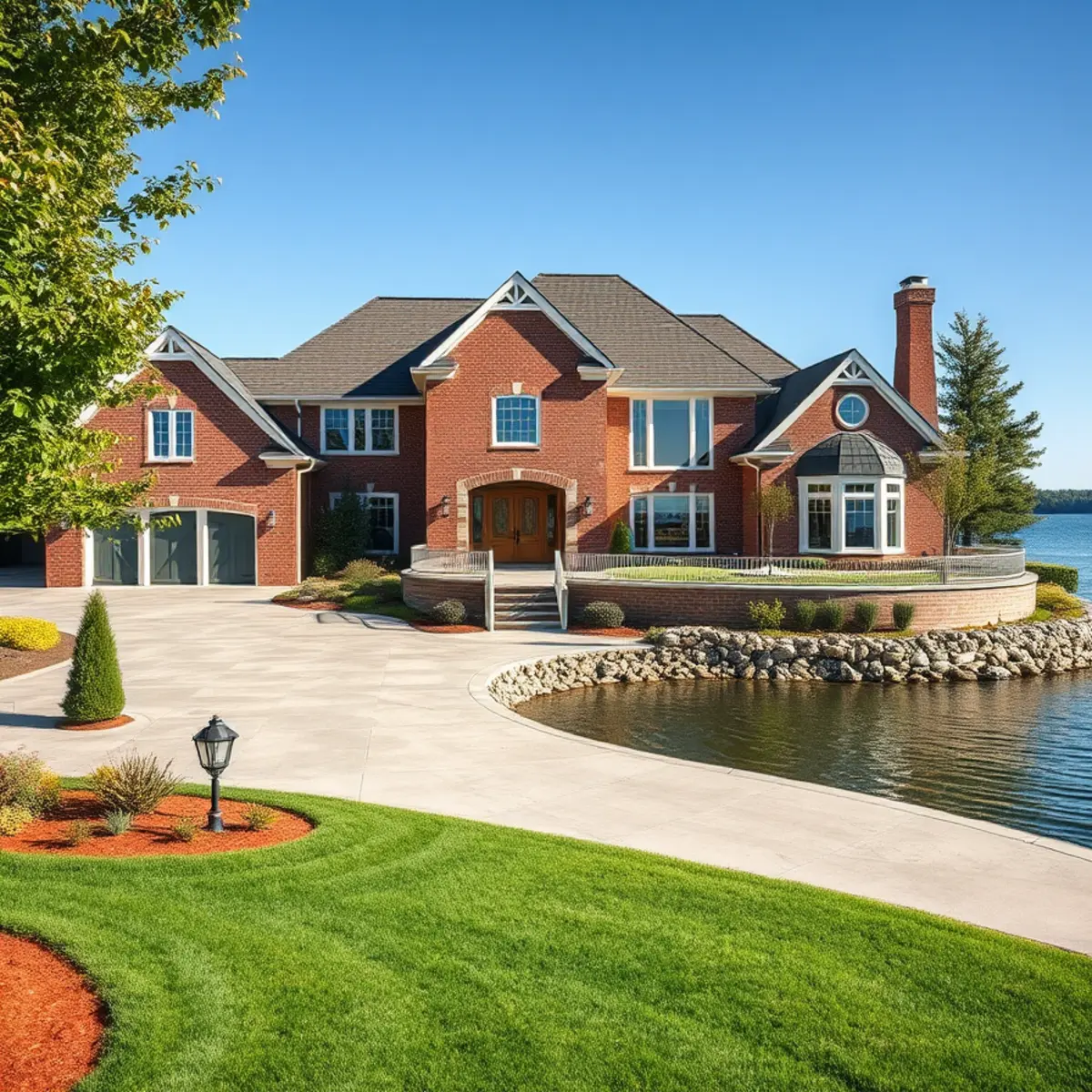
Belmont's western edge is the Lake Wylie peninsula, and it's where most competitors quietly tap out. The big waterfront homes in Reflection Pointe, McLean and The Conservancy at McLean, and Stowe Pointe come with a whole second exterior most pressure washers never touch: the dock, the boat lift, the seawall, and the bulkhead down at the waterline.
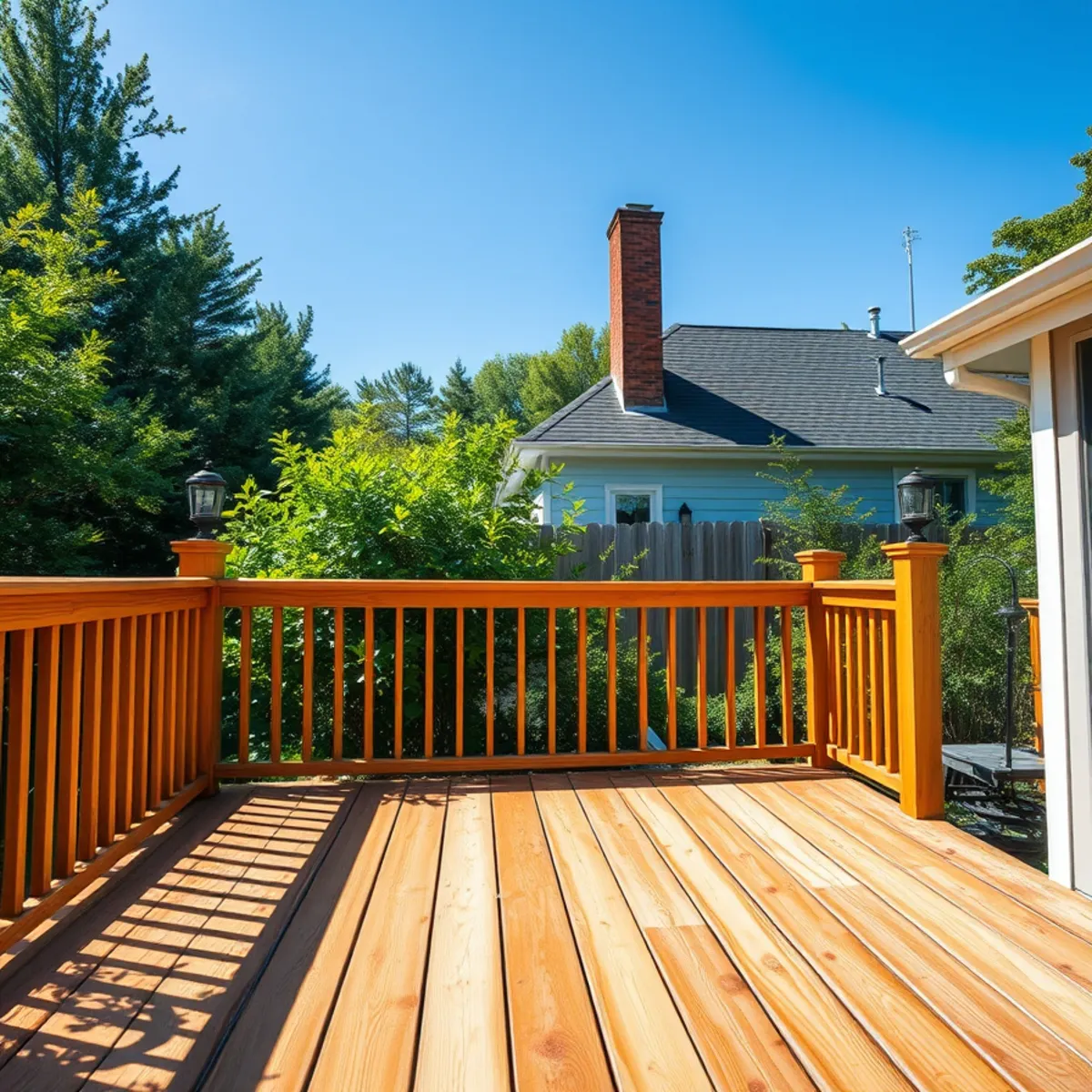
Those lakefront structures grow a different kind of grime than your siding does. You get a green-and-black algae band right at the waterline, mud splash, and a slick film of dried lake scum and mussel residue on the decking and the lift posts. Left alone it gets slippery — which is exactly the wrong thing on a dock where kids and grandkids are running to the boat. We clean docks, seawalls, and bulkheads at controlled pressure to lift the algae and restore traction without chewing up the wood or composite.
Because we're working right over Lake Wylie and the Catawba watershed, we run lake-conscious, biodegradable detergents and keep the rinse controlled so nothing harmful sheets off into the water. Same care goes for the pool surrounds these homes are built around. Travertine and paver pool decks are soft, porous natural stone, and a careless high-PSI crew will pit them and blow out the joint sand. We use low pressure and pH-safe products that clean the stone and bring back the grip without etching it.
House Washing for Belmont's Lake-Community and Mill-Town Homes
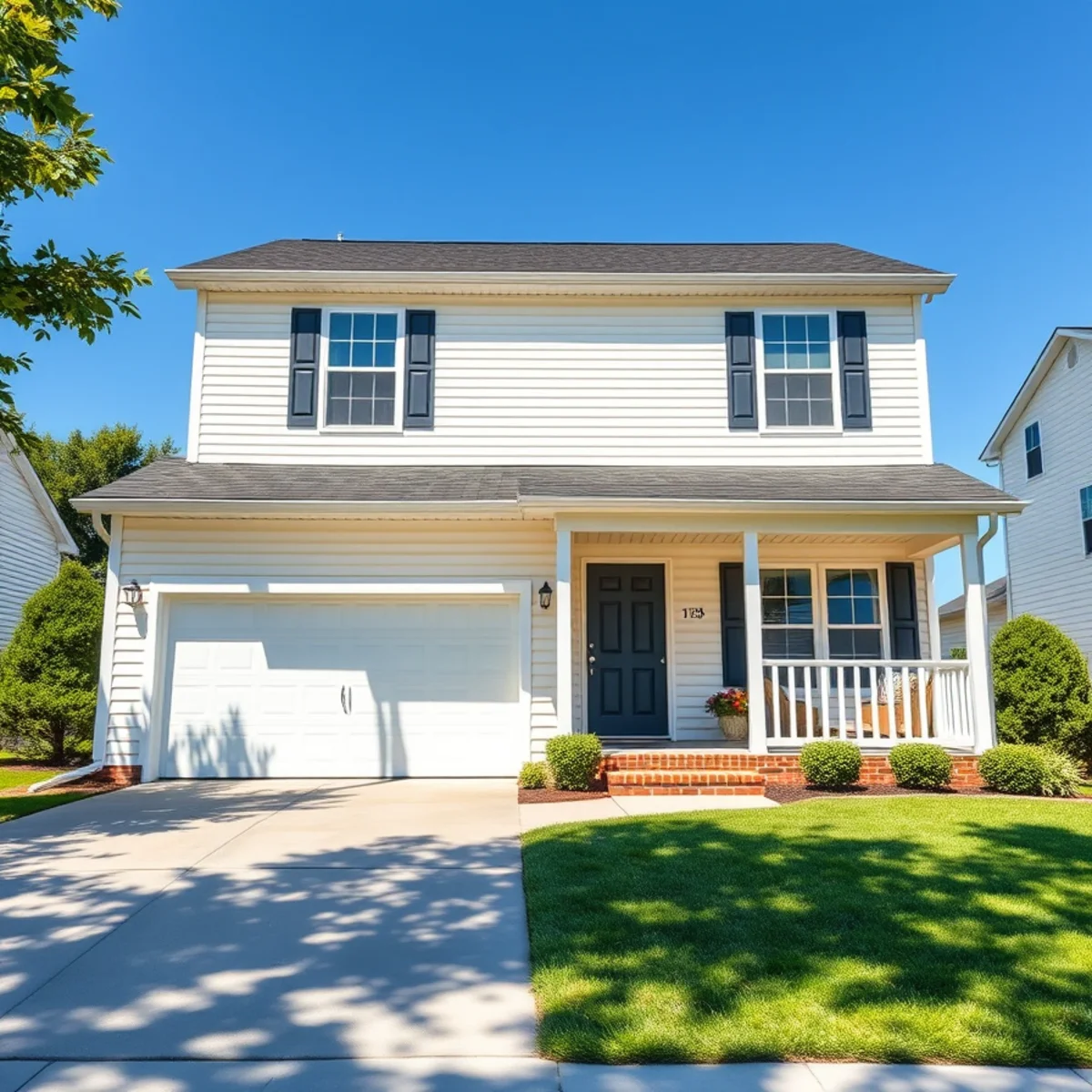
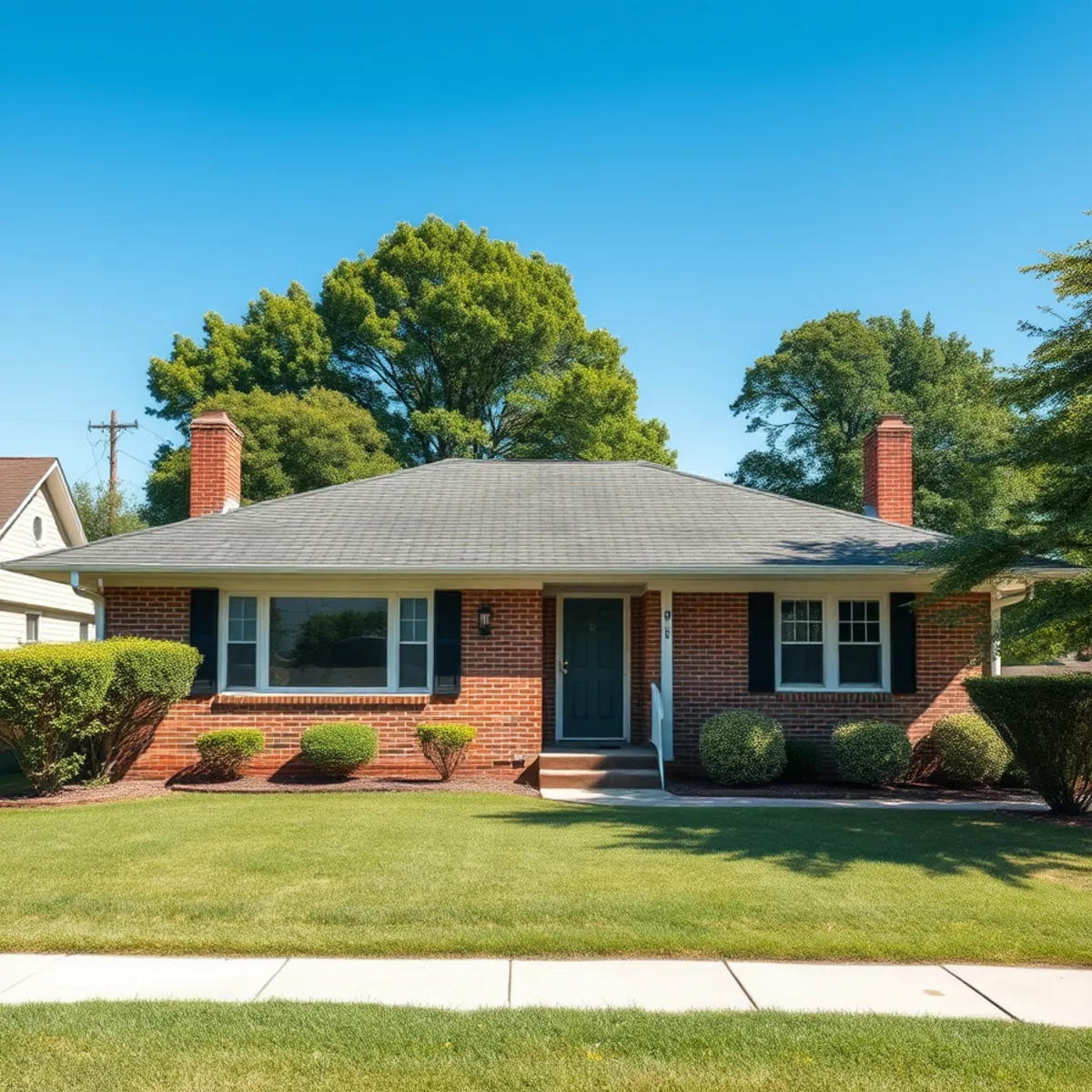
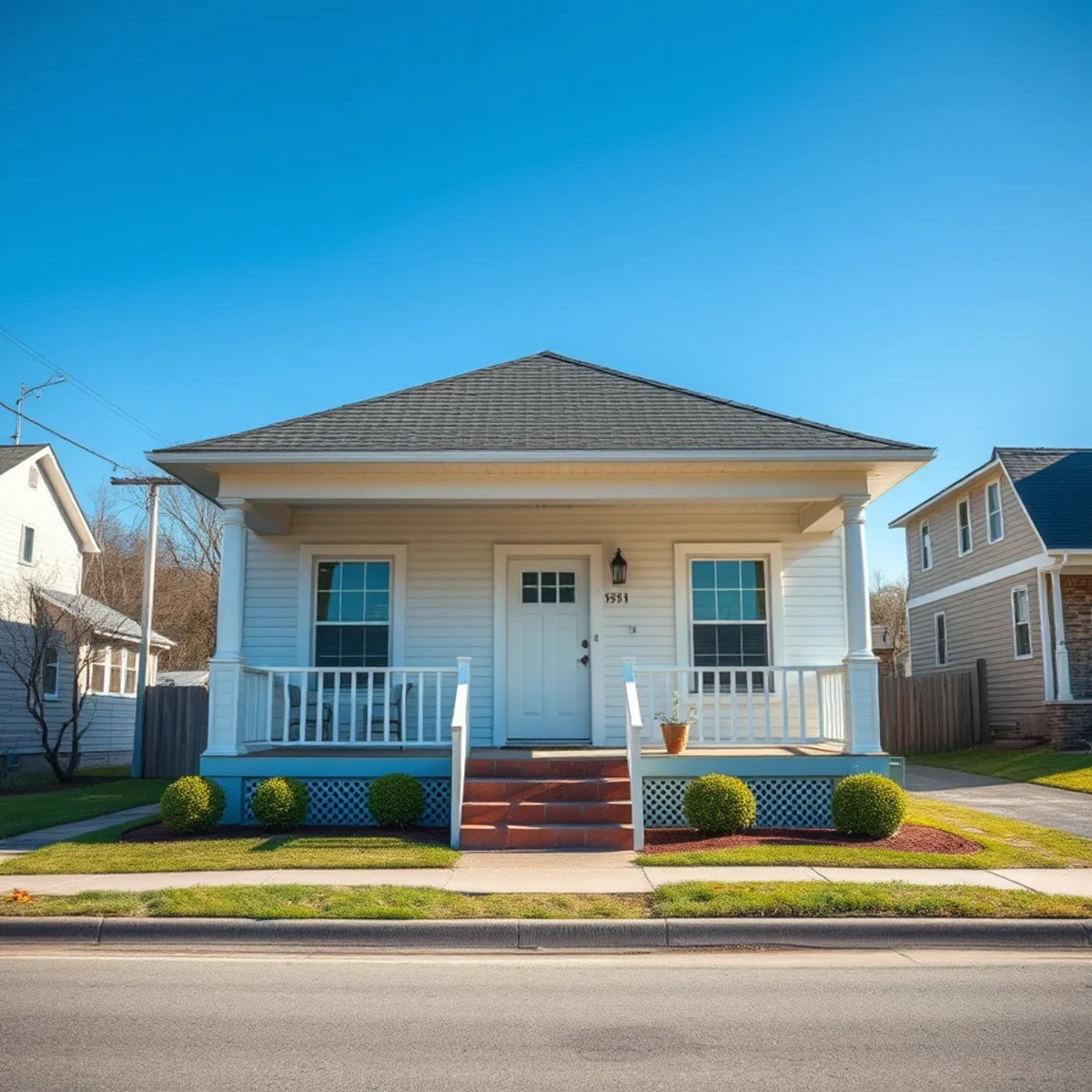
Belmont's housing stock runs the full range, and each kind of home wants a different touch. The 3,200-to-6,800-square-foot homes in Reflection Pointe and McLean, the Charleston-style homes in Eagle Park, the mid-size homes in South Point, South Point Ridge, and South Point Village, the lake homes in Misty Waters and Stowe Manor, and the historic brick and mill lofts downtown around Chronicle Mill — they don't all clean the same.
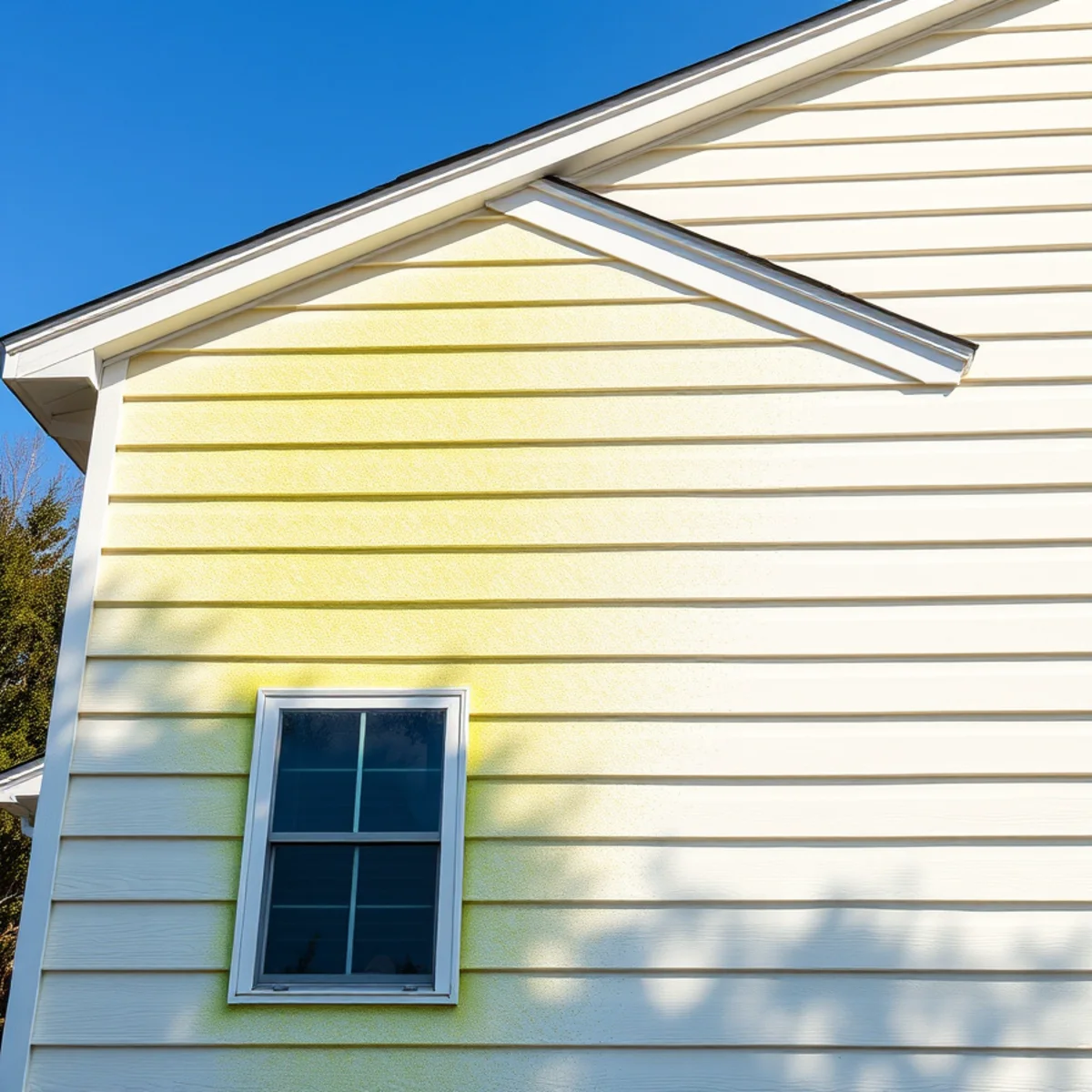
What they share is Belmont's number-one complaint: green and black streaks that creep back fastest on the north- and east-facing walls. That's not your imagination. Those sides sit shaded longest, and with the Catawba River on one side and Lake Wylie on the other, the humidity keeps them damp well into the morning. Damp plus shade is exactly what algae, mold, mildew, moss, and lichen want, so they colonize those walls first and come back soonest.
We clean siding with a low-pressure soft wash and a detergent that kills the growth at the root instead of just blasting the surface green off. That matters most on vinyl, fiber-cement Hardie board, brick, and stucco, because high-PSI siding cleaning is how water gets driven up behind the panels and into the wall — the failure mode that turns a cleaning into a moisture problem. We don't force water where it doesn't belong.
A lot of Belmont's lake communities also carry appearance covenants, so a streaked, algae-stained exterior isn't just an eyesore — it can put you crosswise with the HOA. A timely wash keeps you compliant and protects resale value at the same time.
Roof Cleaning & Black-Streak (Gloeocapsa Magma) Removal
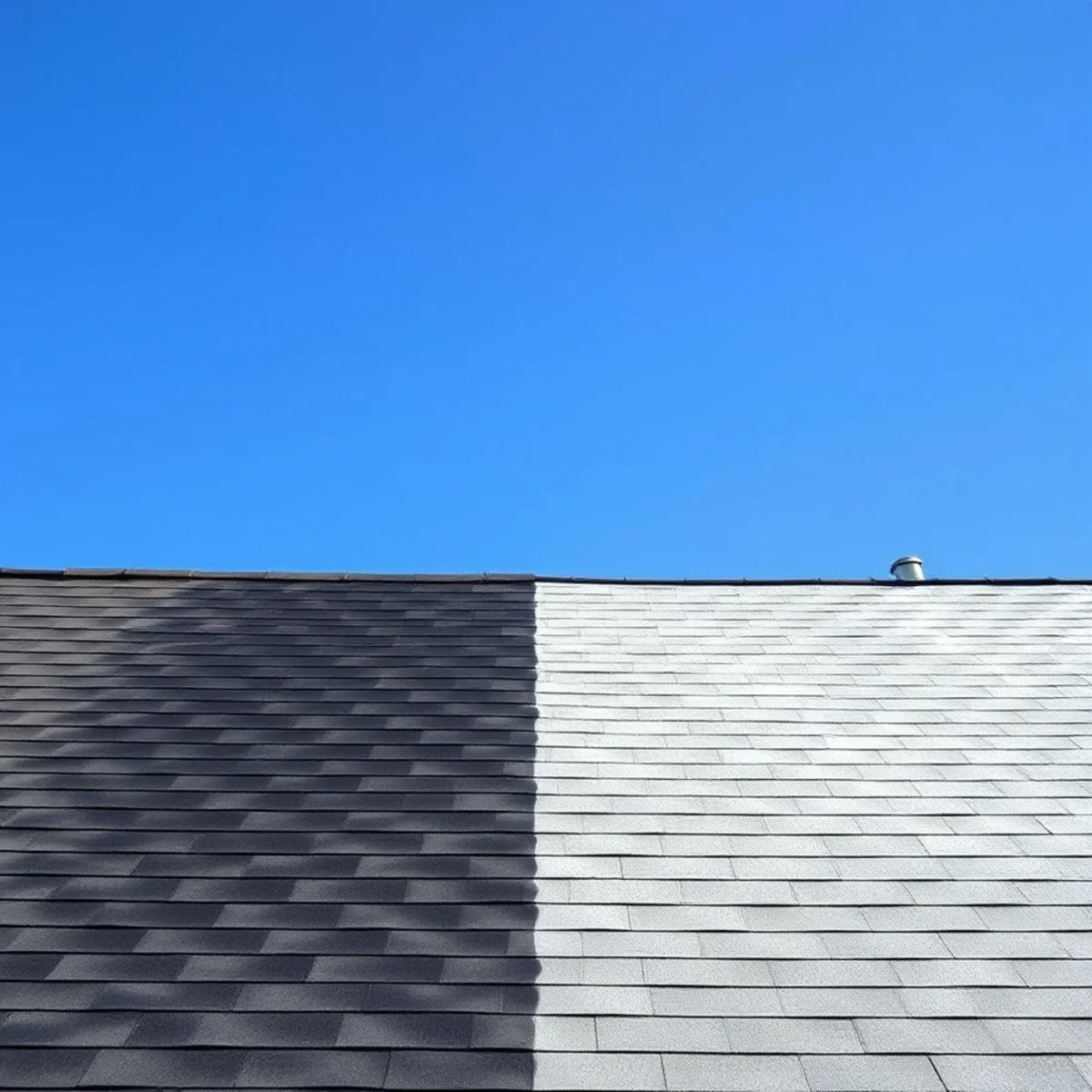
Those black streaks running down Belmont roofs aren't dirt and they won't rinse off. They're Gloeocapsa magma, a living blue-green algae that feeds on the limestone filler in asphalt shingles, and our humid Piedmont summers are perfect for it. The shaded, wooded lots near Daniel Stowe Botanical Garden and down along the river hold moisture even longer, so those roofs regrow streaks and moss faster than anyone expects.
A roof is soft wash only — no exceptions. High pressure strips the protective granules off your shingles, voids the manufacturer warranty, and can drive water under the courses and cause leaks. We follow the low-pressure, manufacturer-aligned approach: a biodegradable solution that kills the algae, moss, and lichen at the root, then a gentle rinse. Because we're killing it rather than scraping it, the results hold for 6 to 12 months and often longer, instead of greening back up by the next wet stretch.
Driveway, Patio & Concrete Cleaning
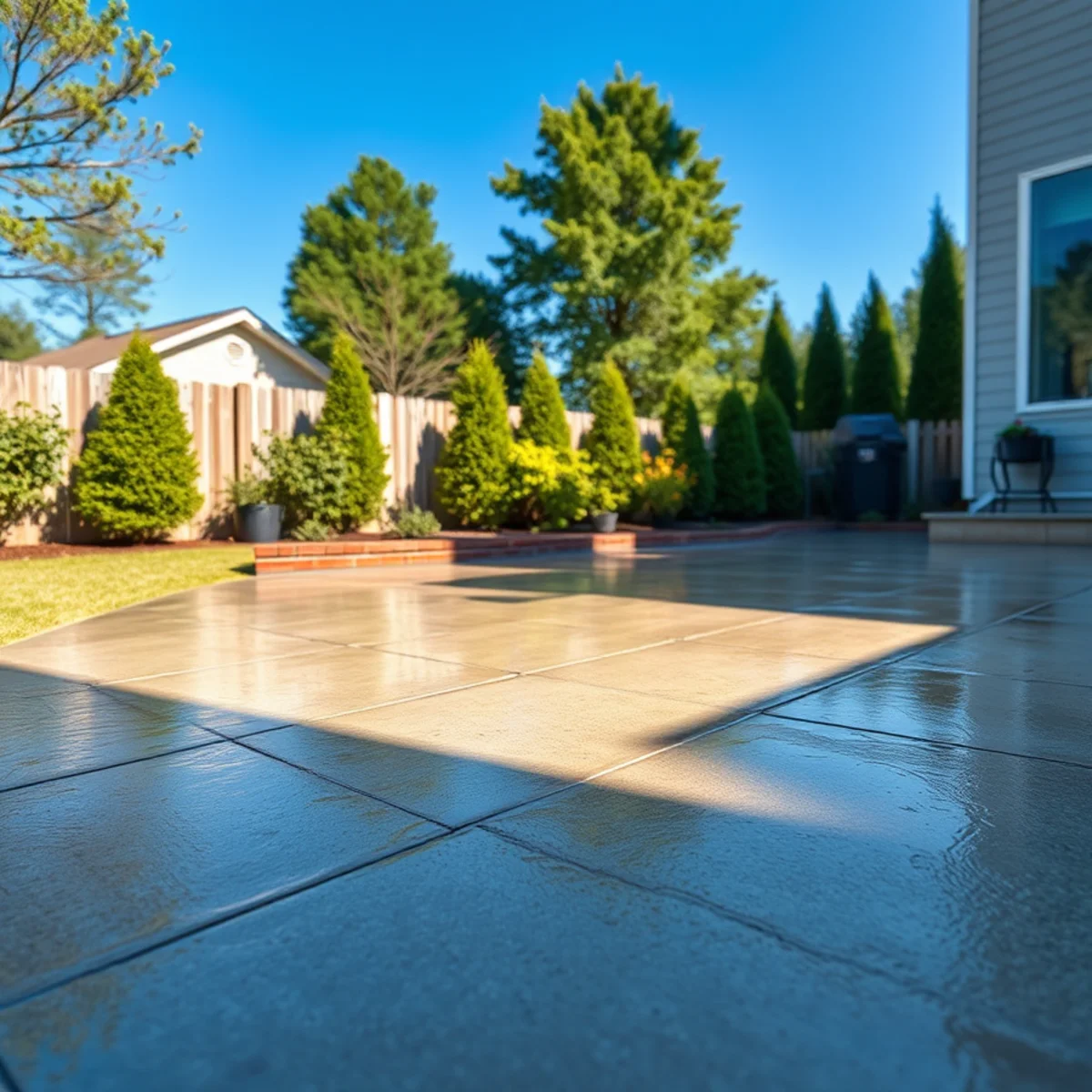
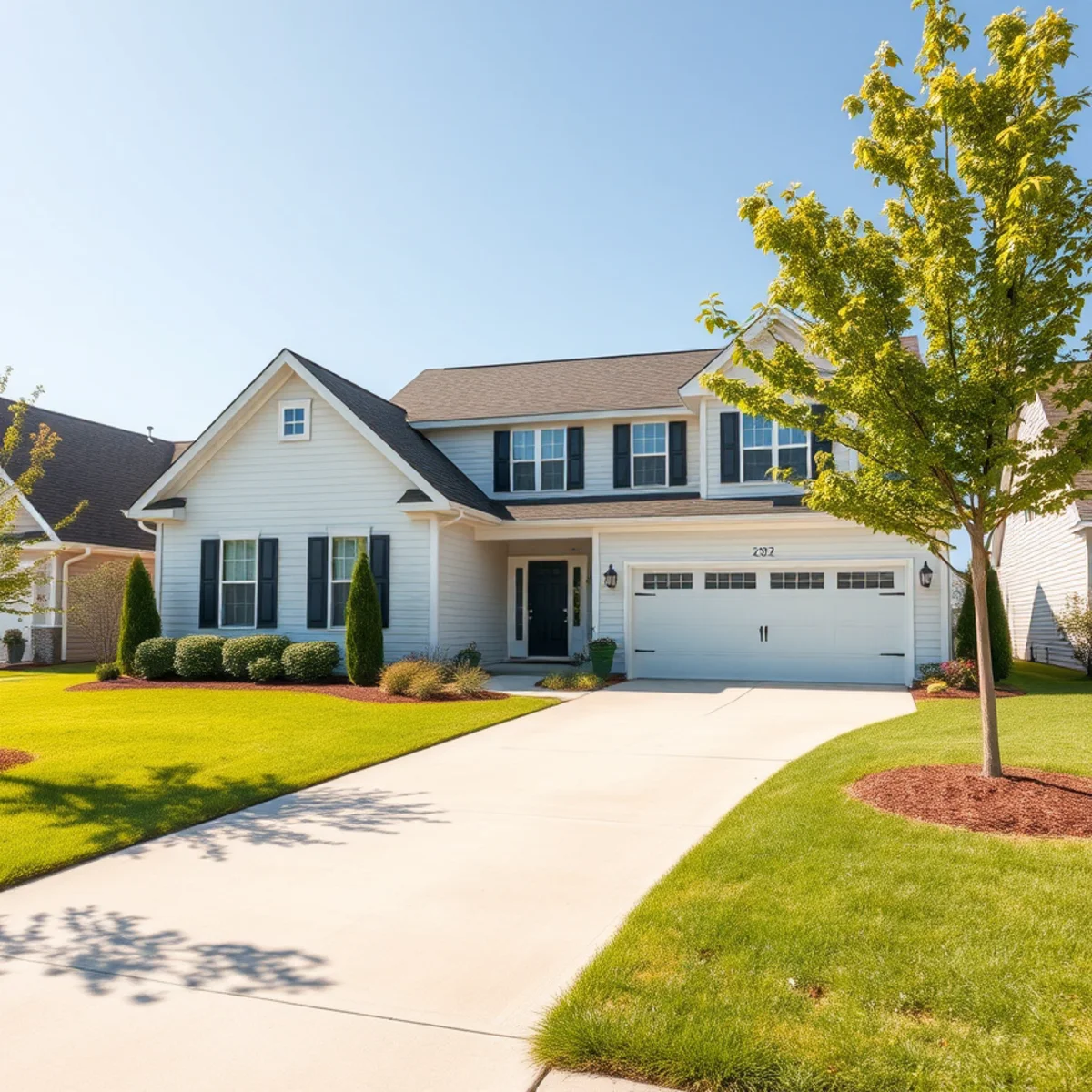
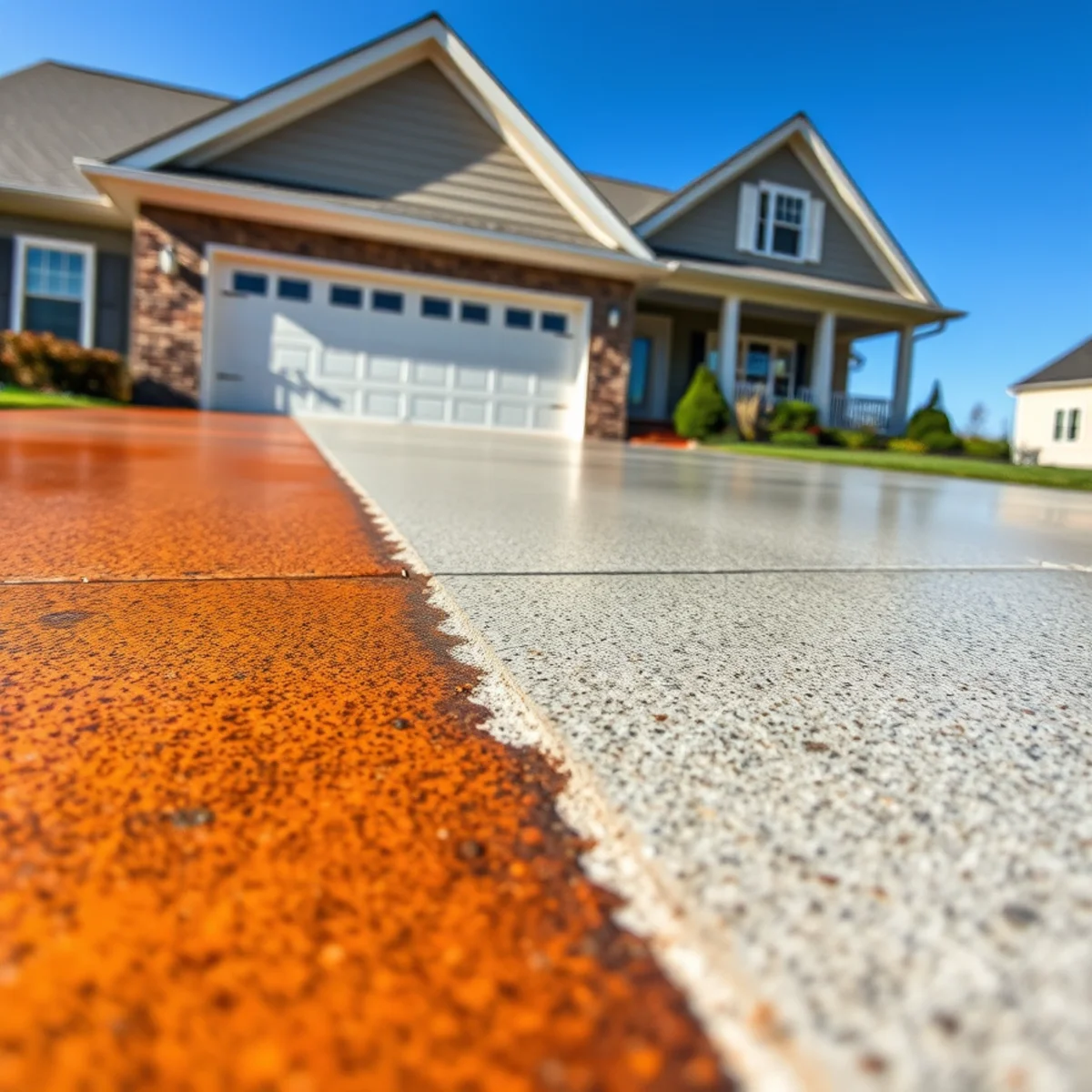
Belmont's signature concrete problem is red clay. That Piedmont soil is iron oxide, and it doesn't sit on top of your driveway — it bonds to the surface, so a garden hose just smears it around. You see it as orange-rust staining and splash-back climbing the bottom of the siding, and it shows up alongside the usual tire marks, oil drips, pollen, and organic green growth.
We pre-treat the clay and iron staining to break that bond, then run a rotary surface cleaner across driveways, sidewalks, pool decks, and downtown commercial flatwork for an even, stripe-free finish with no wand marks. The method still follows the surface: real pressure for poured concrete and brick, and a gentler hand for stamped concrete, exposed-aggregate, and paver surfaces that can be damaged or have their joint sand blown out. On pavers and stamped concrete, we can also seal afterward to slow the re-staining that our humid climate brings on fast.
Why Belmont's Climate Means You Wash More Often
Sitting between the Catawba River and Lake Wylie, Belmont carries more ambient moisture than towns just a few miles inland. Morning dew lingers, shaded walls stay wet, and that steady dampness feeds algae and mildew nearly year-round. Layer on the seasonal hits — heavy pine pollen and tree sap in spring, thick humidity through summer, and a leaf-heavy fall — and you've got a constant supply of deposits for organic growth to colonize.
That's why we tell Belmont homeowners to plan on soft-washing siding and roof every one to two years, and sooner on shaded, waterfront, or wooded lots where the growth never fully dries out. Concrete does best on a yearly clean. The best windows here are spring, from March into June once the pollen settles, and early fall, when temperatures sit in that comfortable 40-to-75-degree range and the clean has time to set.
Caring for Belmont's Historic and Downtown Brick
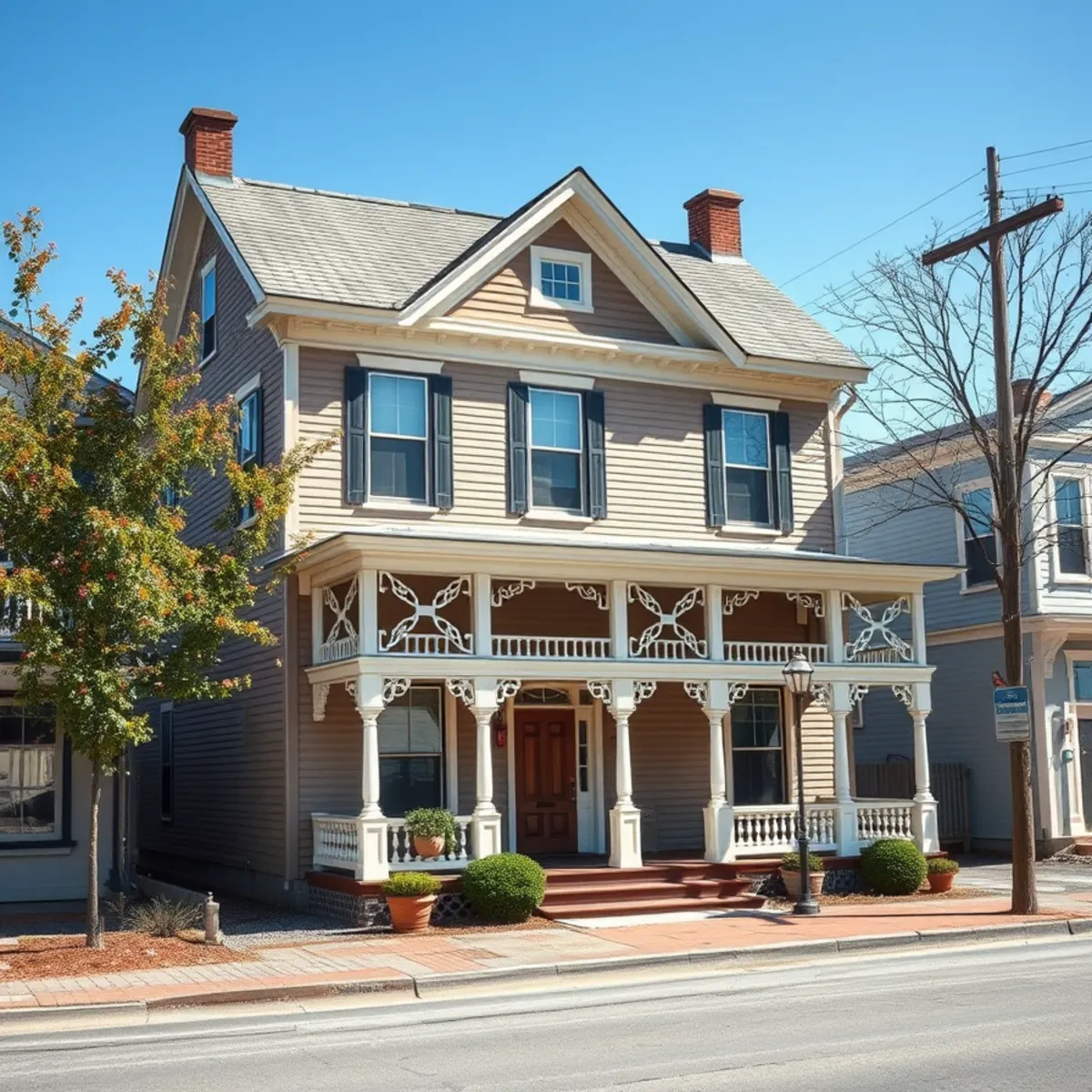
The mill-era and downtown fabric deserves its own mention. The brick at Chronicle Mill and the Catawba Mills lofts, the Main Street storefronts, and the buildings around Belmont Abbey College are older masonry with soft mortar joints. Blasting them with high pressure strips the surface and blows out the mortar. We clean historic brick the gentle way — low-pressure soft wash that lifts the algae, grime, and pollen and leaves the masonry intact. Whether it's a downtown facade off Main Street, a lake home in Stowe Pointe, or a Charleston-style place in Eagle Park, the goal is the same: clean it, don't damage it.
If you're anywhere in Belmont — the Lake Wylie peninsula, South Point, downtown, or out toward Mount Holly, Cramerton, and McAdenville — we'd be glad to take a look. Every estimate is free, we're licensed and insured, and we back the work with a written satisfaction guarantee. Call or text Caleb at +1 (351) 242-0666 for a fast, honest quote on your Belmont home.

 Concrete & Driveway Cleaning