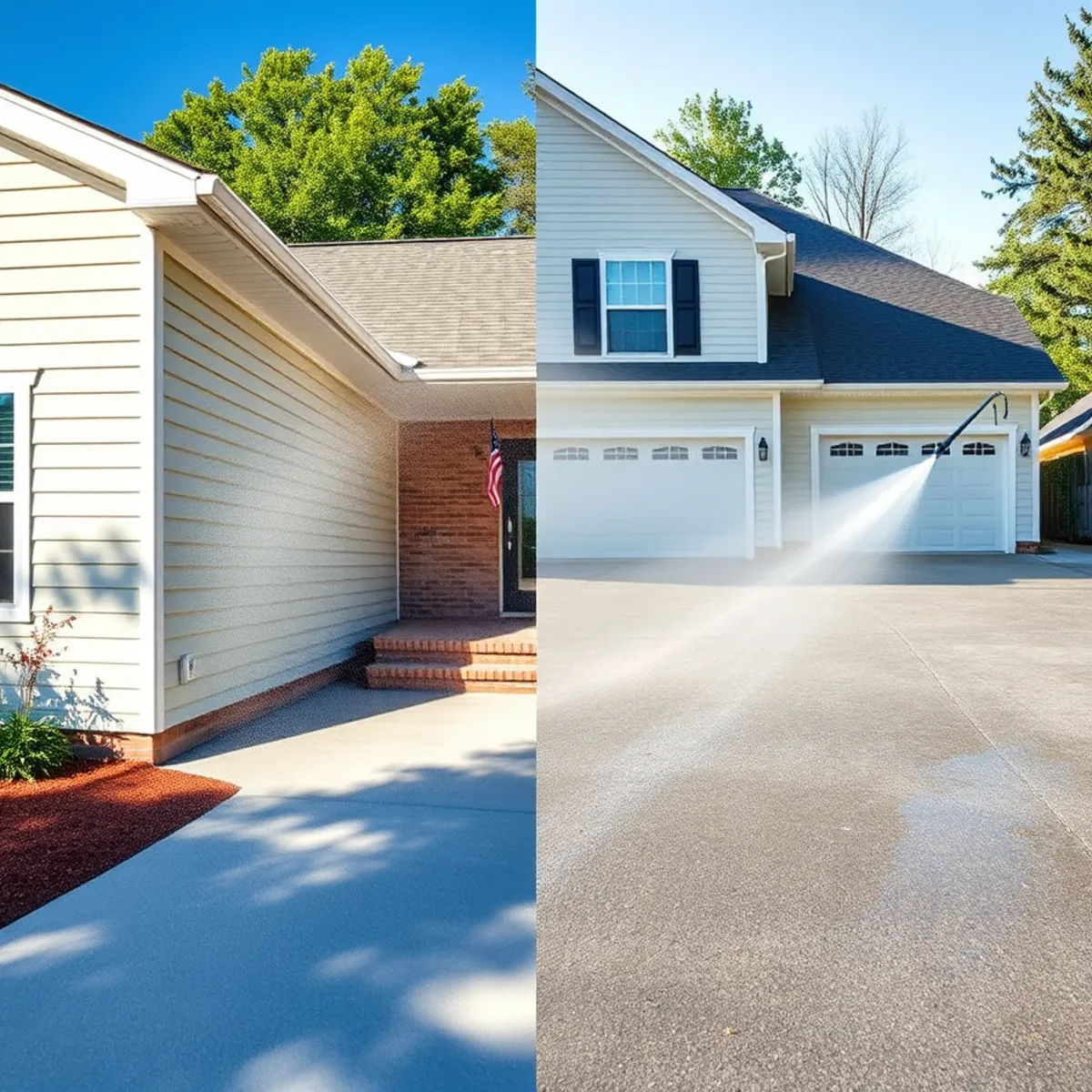
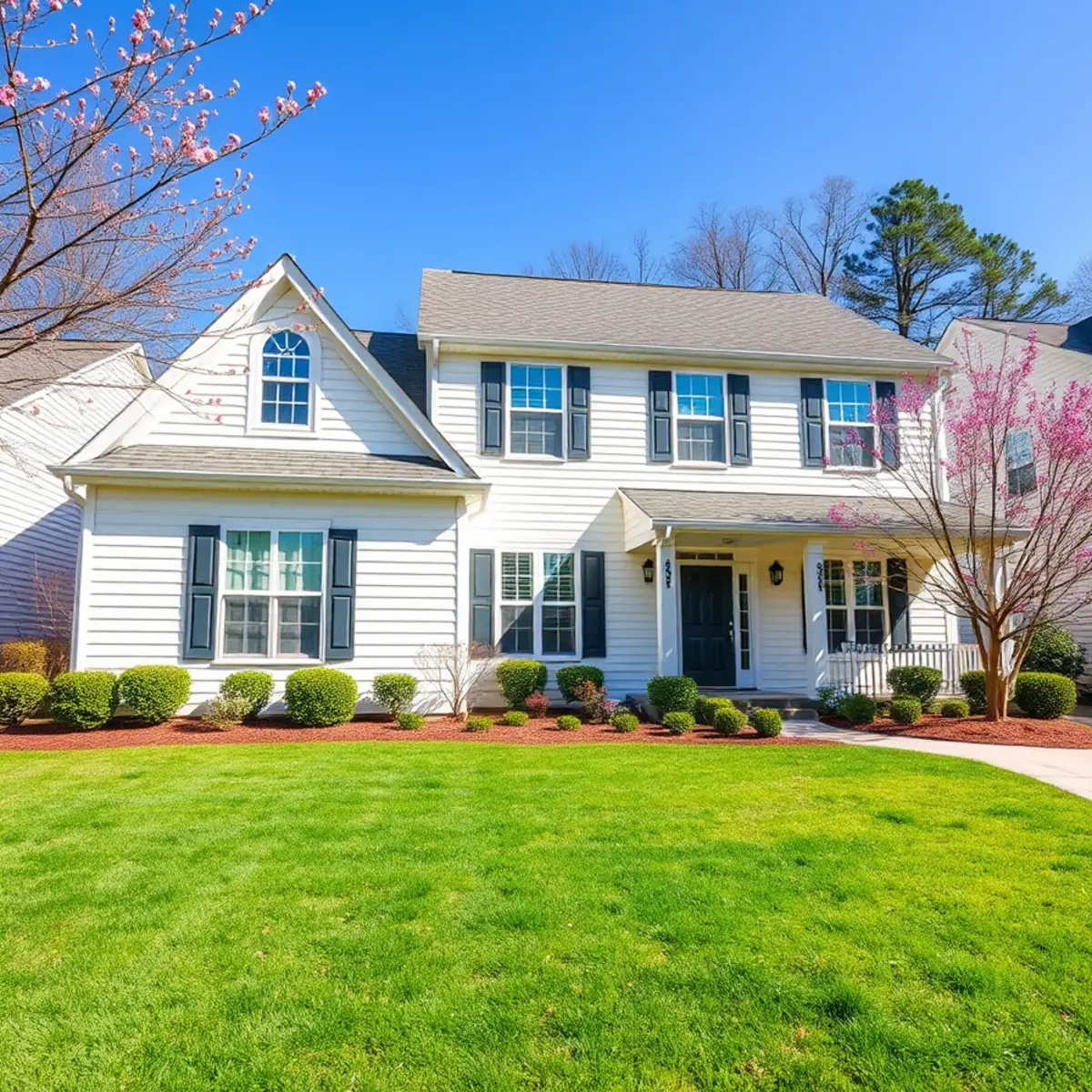
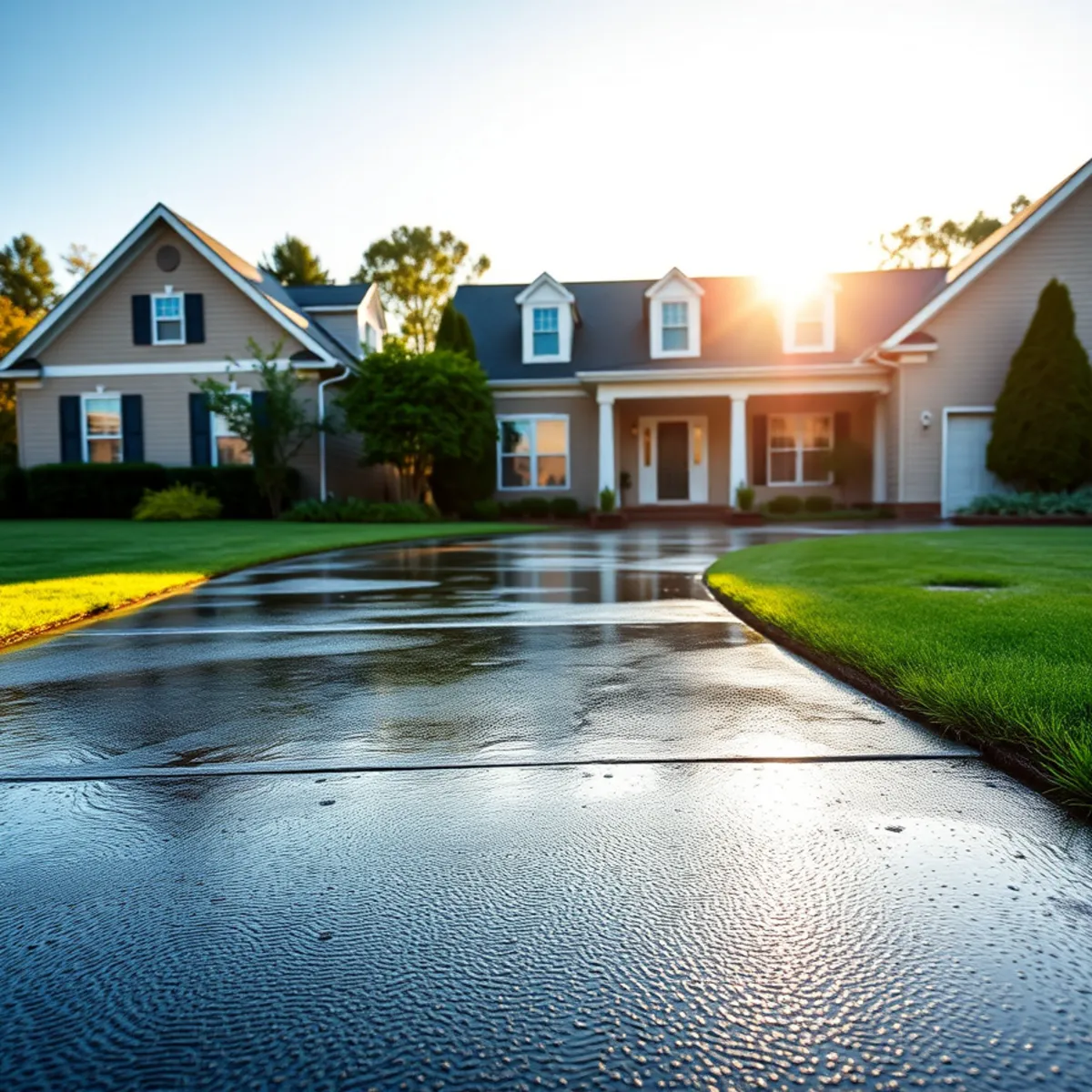
If you live in Iron Station and your siding has rust streaks, your roof has black stripes, or your driveway looks more orange than gray, you found the right crew. Hydro Jet PW is run by Caleb, a Lincoln County firefighter who works these roads himself, and we know the 28080 ZIP the way only a local does — the new vinyl builds off NC-27, the old brick estates near Ingleside, and the well-fed gravel drives the Lake Norman chains never bother to find. We match the method to your surface, protect your landscaping and well, and clean up before we leave.
Pressure Washing Built for Iron Station and the 28080 Area
Iron Station sits in that stretch of east Lincoln County where the NC-27 and NC-73 corridors carry Charlotte commuters home past cattle pasture and new subdivisions. We cover all of it — Iron Station proper, the roads toward Denver and the Lake Norman line, and back northwest into Lincolnton, about seven miles up the road. We are local, so there is no trip charge for a rural lot at the end of a long gravel or well-fed driveway. That matters out here, where half the work is acreage the Denver and Mooresville crews quietly decline.
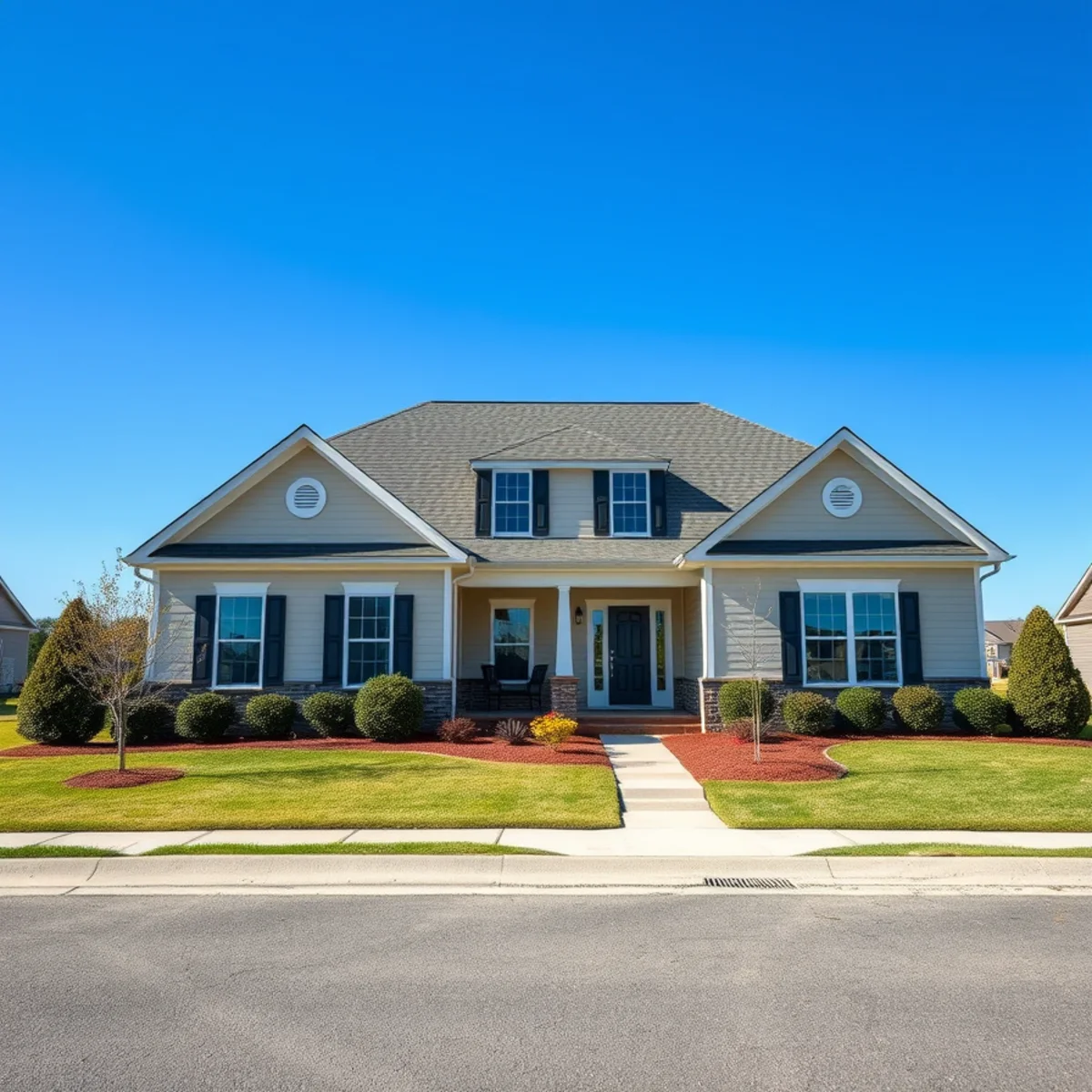
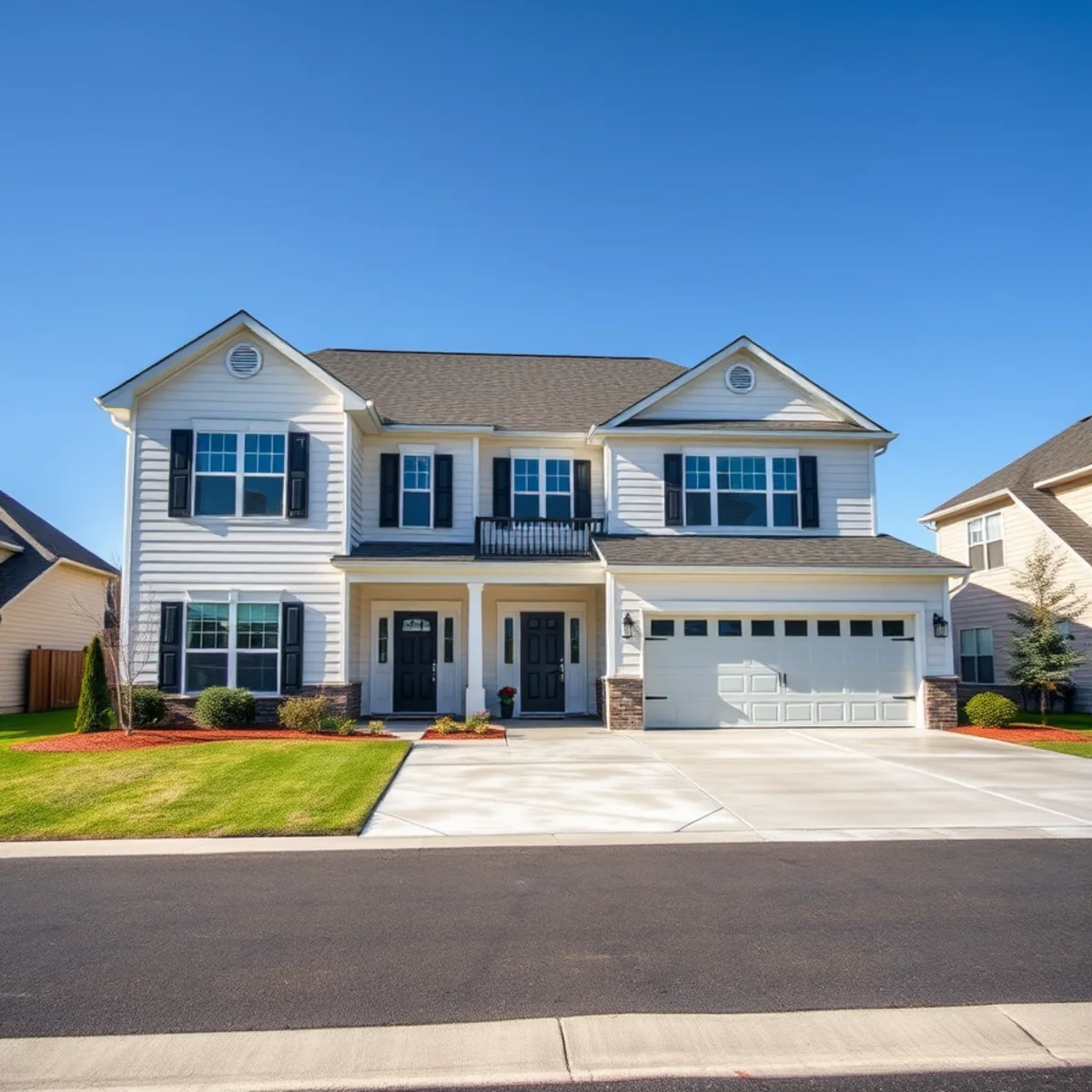
We wash two very different kinds of homes in this town, and we treat them differently. There are the new D.R. Horton vinyl builds going up in places like The Farm at Ingleside, where fresh construction and raw graded clay are the issue. And there are the older brick and Hardie homes, some of them genuine history near Ingleside and Magnolia Grove, where high pressure is the last thing you want anywhere near soft, hand-made masonry. New build or old estate, the dirt out here is the same family of problems — well-water rust, Piedmont red clay, and lake-belt algae — and we have a method for each one.
Why Iron Station Homes Get Dirty Faster
Iron Station earned its name from old iron mining, and that iron still shows up on your house today. Most homes out here run on private wells, not city water, and that is the single biggest reason your place gets dirty in ways your cousin in town never deals with.
Well water and orange rust
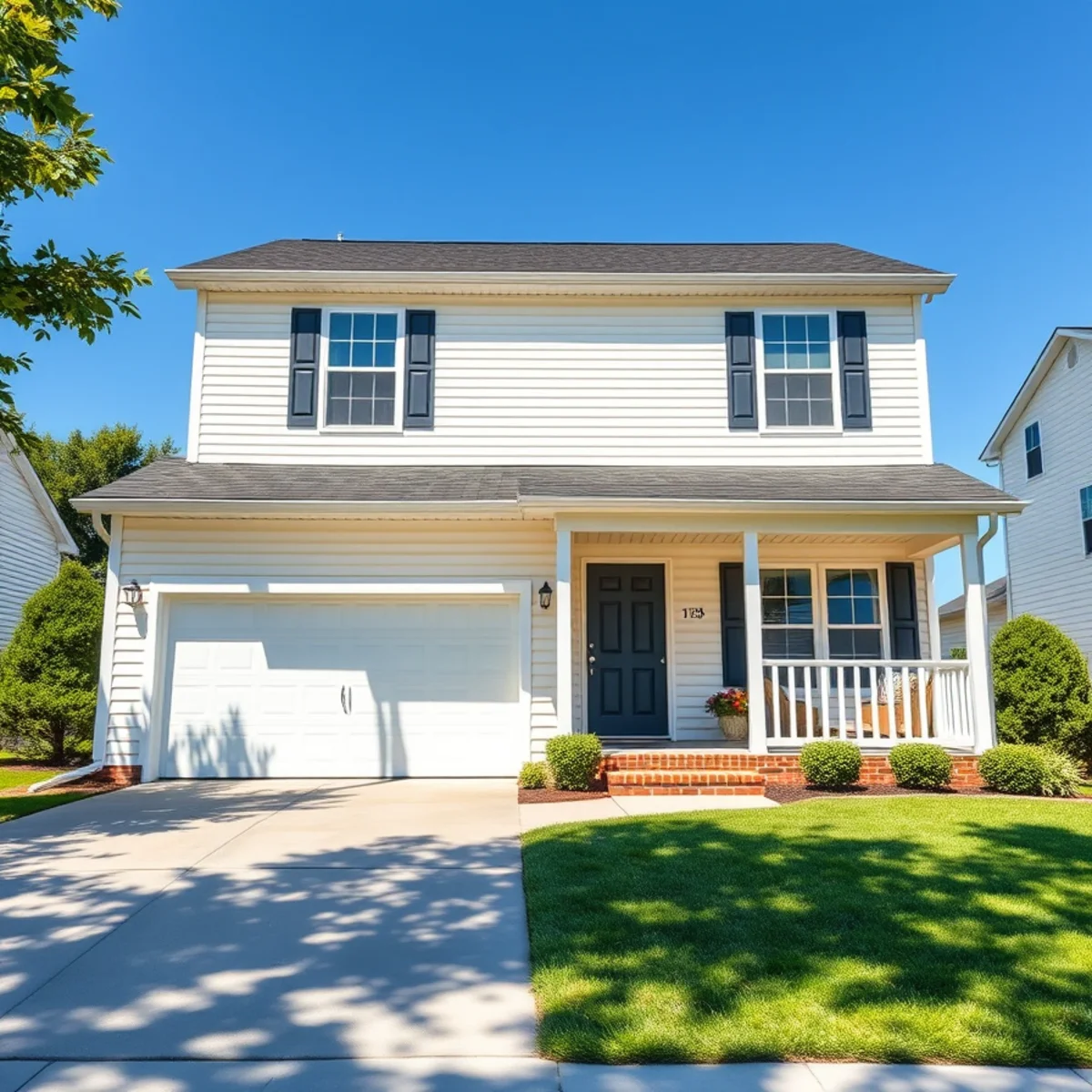
Well water in this part of Lincoln County carries dissolved ferrous iron, and sometimes manganese. The second it hits air — sprayed out of an irrigation head, dripping from a spigot, misting off a sprinkler that overshoots the lawn — that iron oxidizes and turns rust-orange. You see it as streaks running down white vinyl, as stains fanning across the concrete apron, as orange shadows on fence pickets and pool decks. A garden hose will not touch it, and a generic crew that only knows city-water homes will pressure-blast it and just smear the rust around. This is the most distinctive problem in the 28080, and it is the one we built our reputation on out here.
Lake-belt humidity, shade, and creek-bottom lots
The other half of the story is moisture. Iron Station sits in the Catawba River watershed, with Hoyle Creek, Dellinger Branch, and a lot of heavily wooded acreage holding humidity close to the ground. Add the lake-belt air drifting up from the Lake Norman corridor and you have a climate that grows algae and mildew on anything shaded. North-facing walls go green. Shingles get the dark vertical streaks of Gloeocapsa magma — a living blue-green algae, not dirt. The more your lot is tucked into trees along a creek bottom, the faster it all comes back. Layer on red-clay splash and heavy spring pollen, and an Iron Station house has every reason to look dirty before its neighbors in a paved, open subdivision do.
Removing Well-Water Rust and Iron Stains — Our Iron Station Specialty
This is what sets us apart from every regional chain that templates the same page for forty towns. Most of Iron Station is on private wells, and we treat the rust those wells leave behind as a specialty, not an afterthought.
Plain pressure does not remove iron staining — it spreads it. We pre-treat the rust with an oxalic-based, chelating cleaner that chemically breaks the bond between the iron and the surface, so the stain lifts and rinses away instead of smearing into a wider orange cloud. We use it on white vinyl below the sprinkler line, on concrete aprons and pool decks hit by overspray, on fences, and on the brick around hose bibs. If you can aim your irrigation heads away from the house, do it — that is the cheapest fix there is. For the staining you can't prevent, we can put you on a seasonal re-treat so it never gets a head start again.
Soft Washing to Protect Brick, Vinyl, and Historic Homes
Iron Station has real history. The 1817 Classical Revival brick of Ingleside and the 1824 Flemish-bond plantation brick at Magnolia Grove were laid with soft, hand-made brick and lime mortar that high pressure will chew right out of the joints. You do not blast that. You do not blast aged stucco or painted wood either.
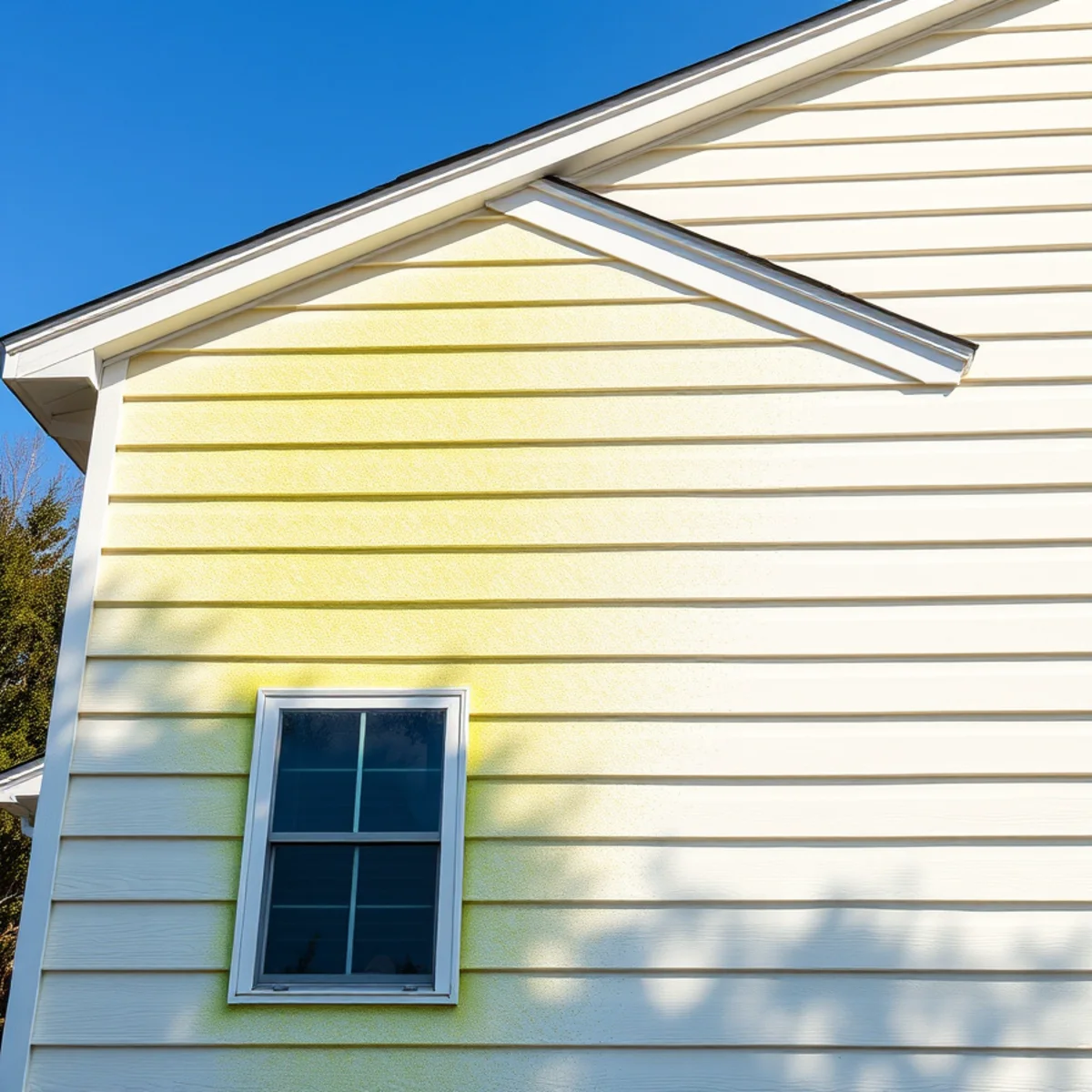
For roofs, vinyl, stucco, and any delicate masonry we run a true soft wash — roughly 250 to 300 PSI, no more force than a strong garden hose — and let a custom-mixed detergent do the actual work of killing algae and mildew at the root. Because we are washing rural lots on private wells and septic fields, we use biodegradable detergents and we pre-rinse and protect your landscaping first. Well-safe and septic-safe is not a slogan out here; it is the difference between a clean house and a fouled drain field. Then we match the method to the surface: soft wash for everything that can be hurt by force, and pressure with a rotary surface cleaner only for the hard stuff like concrete, brick walkways, and pavers.
Roof Cleaning and Black Streak Removal
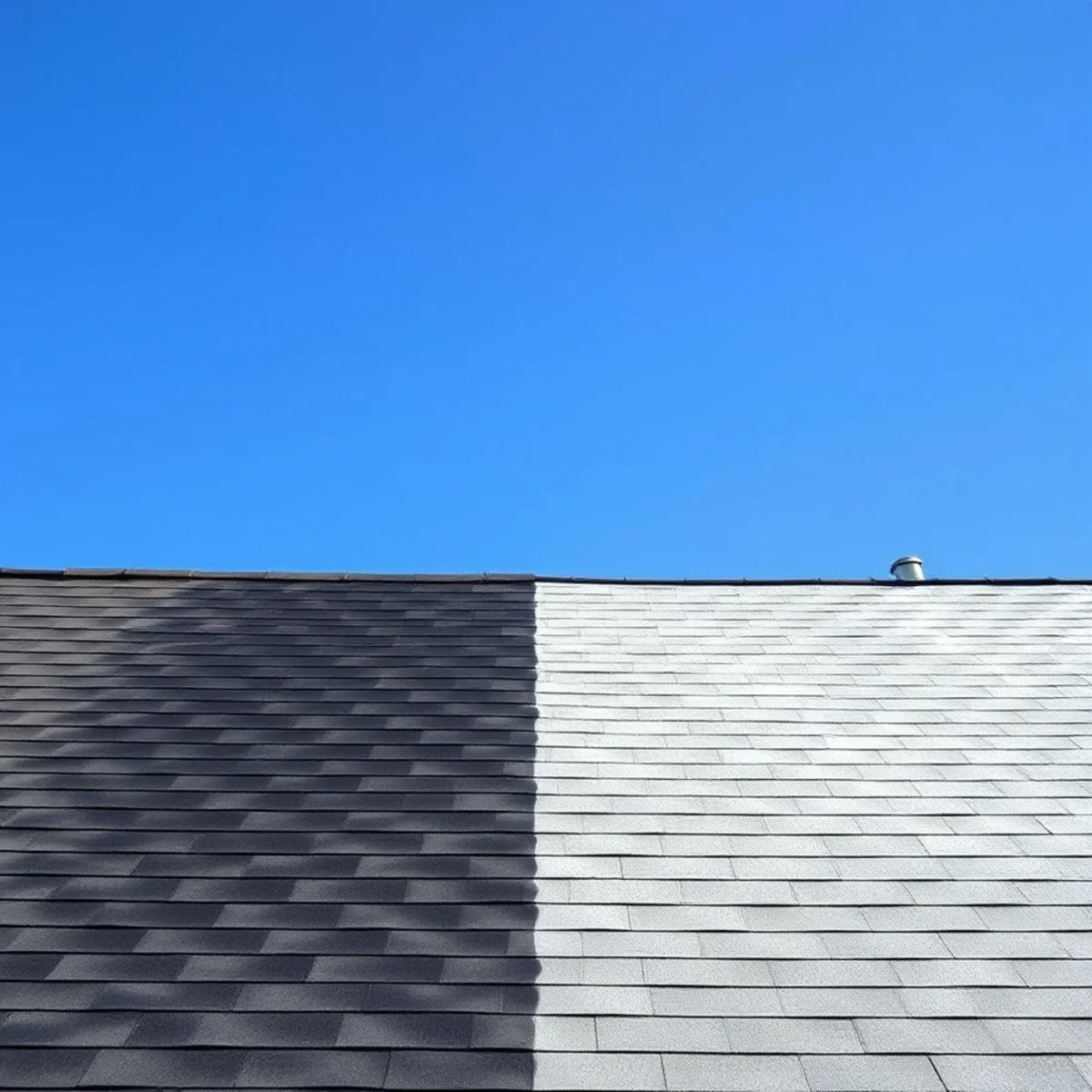
Those black streaks running down your shingles are not dirt and they are not stains you can scrub. They are Gloeocapsa magma, a living algae feeding on the limestone filler in modern shingles, and if you pressure-wash them off they come right back — and you have stripped the granules that protect your roof and your warranty doing it. Our no-pressure soft wash kills the algae at the root so it stays gone, and it leaves your shingles intact.
In a lake-breeze, shaded town like Iron Station, roofs streak faster than the regional average. Whether it is a new architectural-shingle roof in the Ingleside-area builds or an older metal or architectural roof on an established home, plan on a roof wash every two to three years here. That is the realistic cycle for this humidity and this much tree cover.
Driveways, Patios, Decks, and Fences
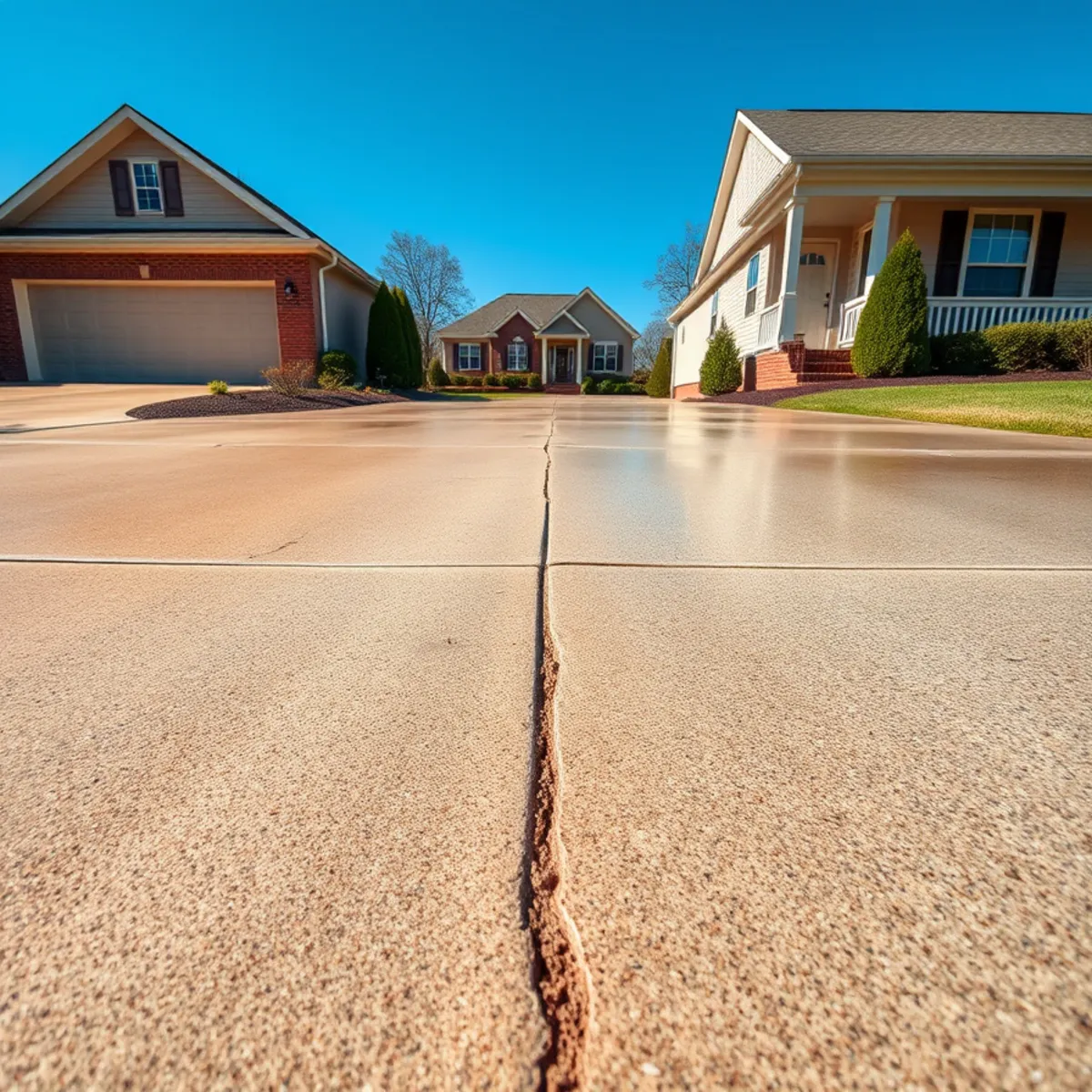
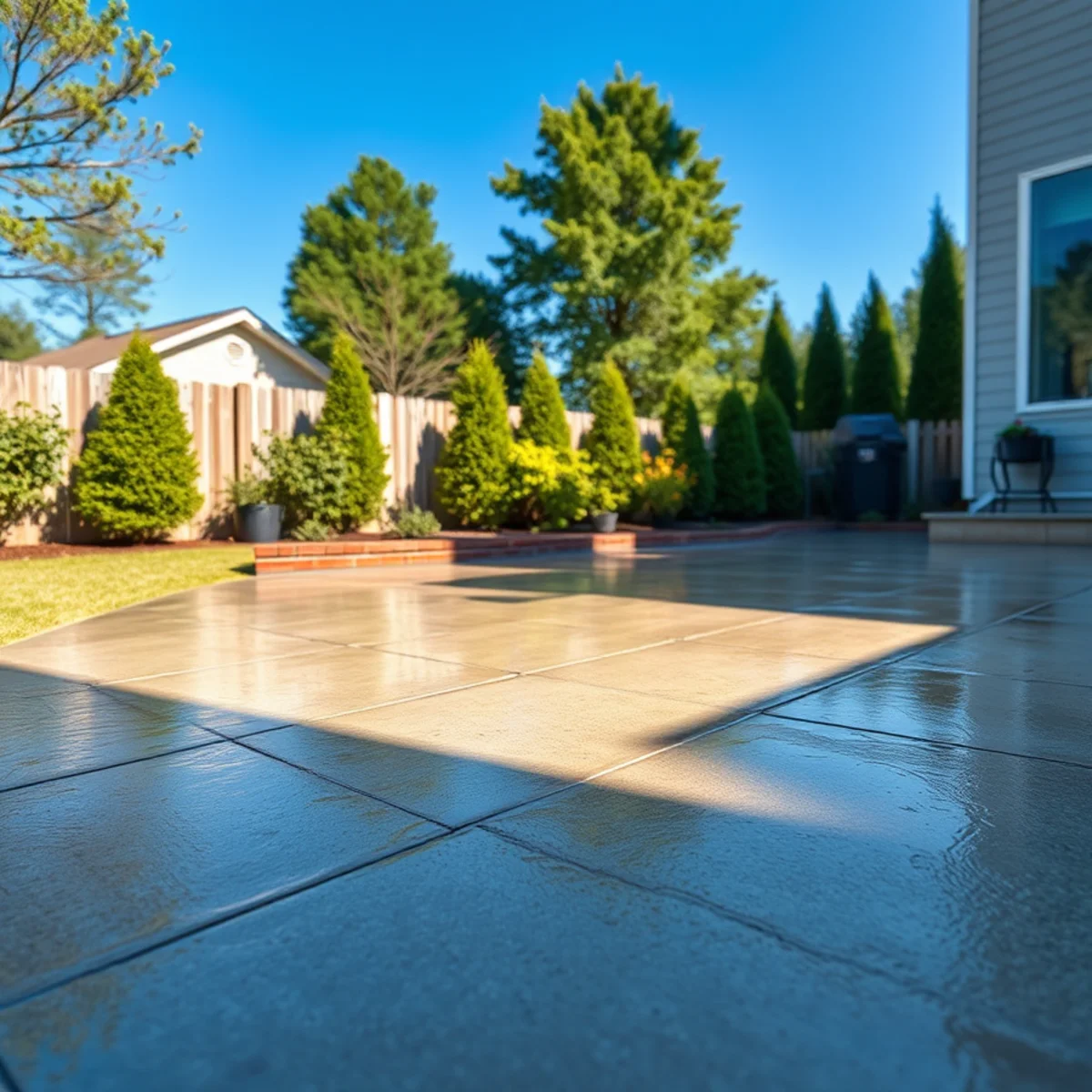
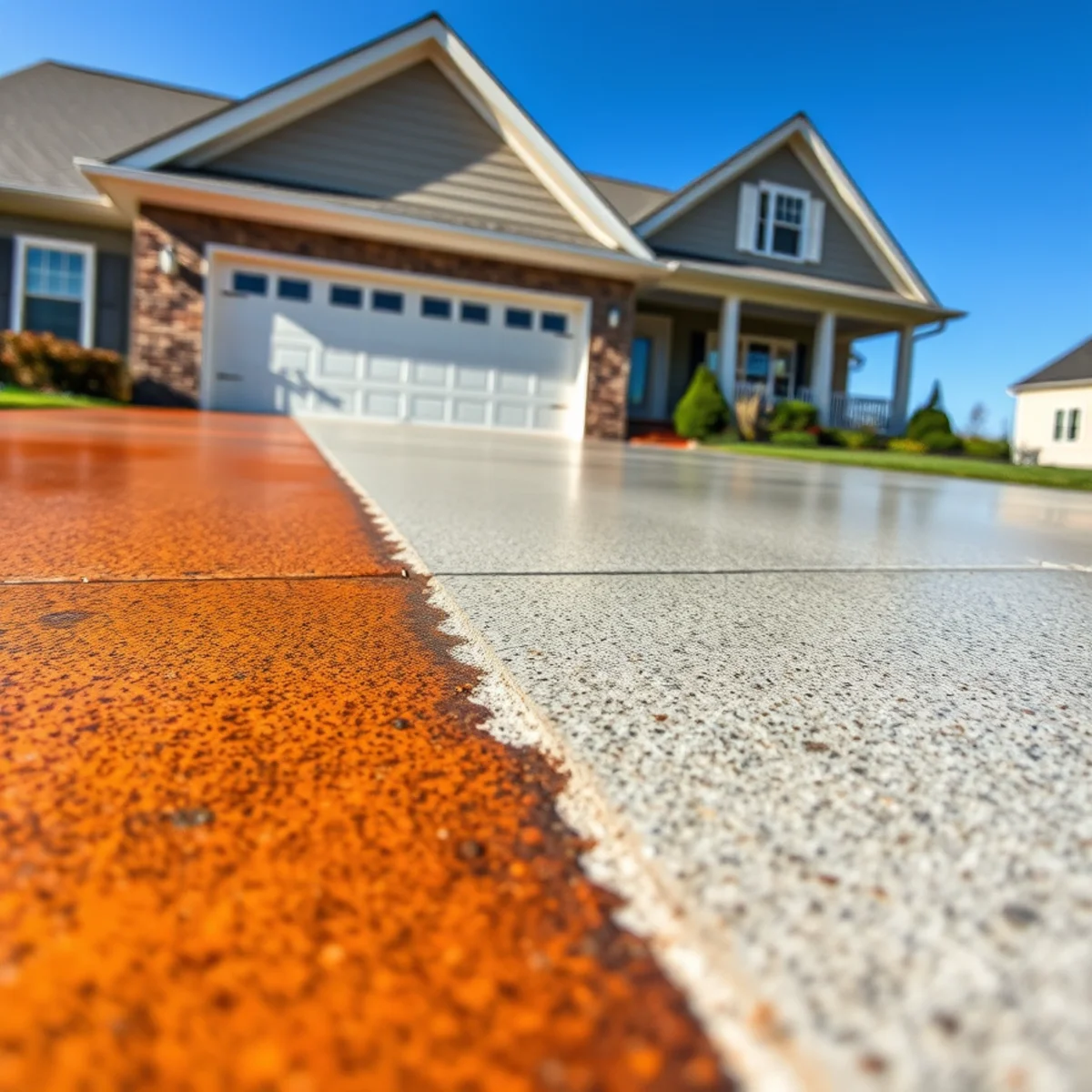
Iron Station driveways are long, and a lot of them are rural concrete that runs back to a gravel apron. We use a rotary surface cleaner so the whole slab comes out even — no zebra striping from a hand wand — pulling out tire marks, red-clay mud tracked up from the fields, the green organic film that grows in the shade, and the rust runoff from sprinkler overspray. For wood decks and fences we brighten the grain with low pressure and the right cleaner instead of gouging it. And for the custom and golf-community homes around Verdict Ridge and Pinnacle Ridge, we clean paver patios and pool decks carefully, so the joint sand stays put and the surface doesn't get etched.
What It Costs and Where We Wash
We keep pricing straight. House and soft washing generally runs about $0.15 to $0.25 a square foot, so a typical 2,400-square-foot Iron Station home lands somewhere around $350 to $450. Roof cleaning runs roughly $0.25 to $0.40 a square foot, and driveways often fall in the $100 to $300 range depending on size and staining. Heavy well-water rust jobs and large-acreage properties we quote on site, because every rural lot is different. Bundling the house, driveway, and roof together is where you save the most. The estimate is always free, fast, and upfront — flat pricing, no surprises.
We cover the subdivisions and back roads all through here: The Farm at Ingleside, Pinnacle Ridge, Donaphan Hills, Lake Forest, Sigmon Farms, Verdict Ridge, Autumn Woods, and Dutchman Trails, plus the rural acreage and farm properties in between. We are about seven miles from Lincolnton, fifteen minutes from Lake Norman, and twenty-five from Charlotte, so we drive these roads every week.
If your Iron Station home is fighting well-water rust, red clay, or roof algae, let the local crew that actually knows the 28080 take a look. Call Hydro Jet PW at +1 (351) 242-0666 for a free, no-obligation estimate — we are proud to serve Iron Station and the rest of east Lincoln County.

 Concrete & Driveway Cleaning