A straight-talking guide to timing your wash around NC pollen, summer algae, fall leaves, red clay, and the 40-degree freeze line from a local Lincoln County crew.
If you own a home anywhere in the Piedmont, you've probably looked at your siding sometime in April, seen it coated yellow, and wondered when to finally get it cleaned. Timing matters more here than most folks realize. Wash too early and pollen re-coats everything within days; wait too long and a North Carolina summer bakes algae and red clay right into the surface. Here's exactly when to schedule, season by season, from a crew that washes homes across Lincolnton and Lincoln County all year long.
What Is the Best Time of Year to Pressure Wash a Home in North Carolina?
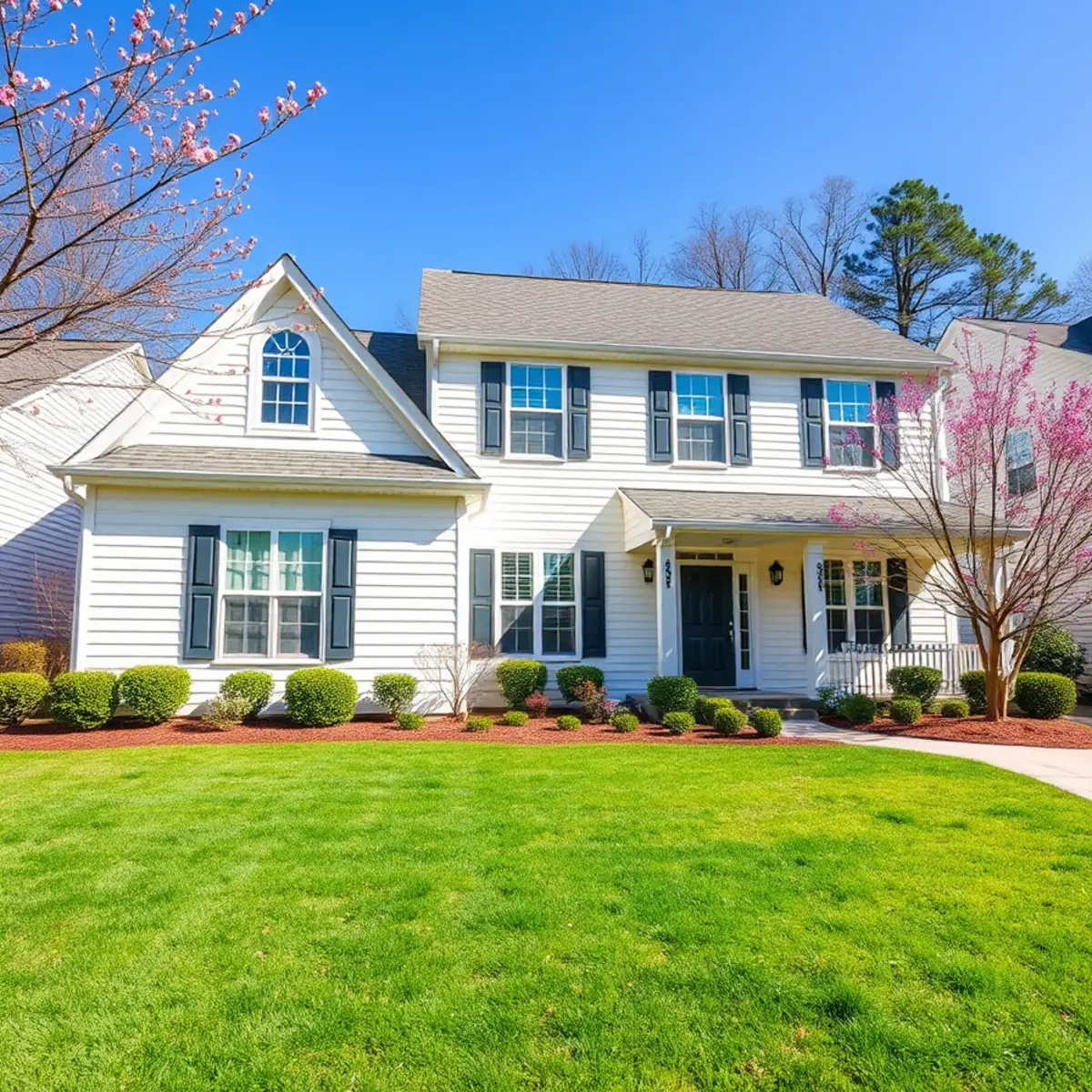
The single best window is late spring, roughly late April into early May. By then the heaviest tree and pine pollen has finished dropping, but the brutal summer heat hasn't yet set in to bake a winter's worth of grime onto your siding. Temperatures sit in that easy 50-to-75-degree range, surfaces dry fast, and you clean off everything winter left behind before mold and algae kick into high gear.
Why does late spring beat every other slot on the calendar?
- Mild temperatures mean cleaning solutions stay active and surfaces dry without flash-evaporating.
- You strip a full winter of buildup — red clay splash, mildew, road film — right before warm-season growth accelerates.
- You get ahead of summer, when humidity turns light surface dirt into stubborn living algae.
The second-best window is early fall (September into October), to clear leaf debris and knock back algae before winter sets in. Overall, the safe washing season in North Carolina runs March through November, when hard-freeze risk is low. And here's something most homeowners don't hear: a lot of NC homes genuinely benefit from two washes a year — one in late spring for the pollen and one in fall for the leaves and growth. With our pollen load and humidity, twice a year isn't overkill; it's how you keep siding looking right and stop algae from ever getting a foothold.
North Carolina's Pollen Season and Why You Should Wait Until It Ends
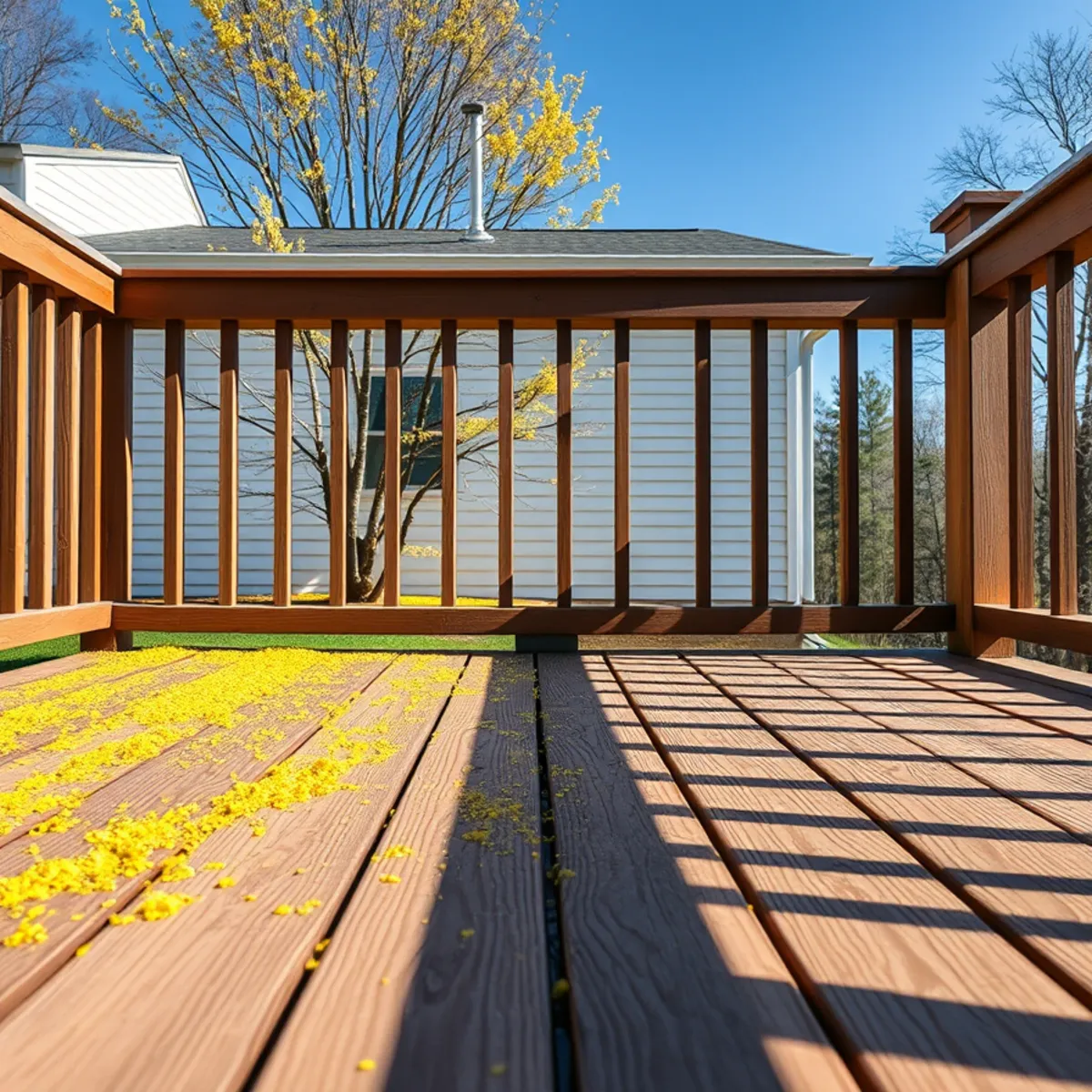
North Carolina ranks among the worst states in the country for pollen, and the Triangle in particular shows up near the top of national allergy lists year after year. Tree and pine pollen peak from late March through mid-April, and around Lincoln County you can practically watch the yellow film build on cars, porches, and railings overnight.
Here's the trap: washing during peak pollen is wasted money. You can pay to get your home spotless on a Tuesday, and by the weekend a fresh coat of yellow has re-settled across every surface. You're cleaning a moving target.
But you don't want to wait forever either. The longer pollen sits, the more it bonds with dirt and starts to stain, especially on lighter vinyl. So the sweet spot is tight: late April to early May, right after the heaviest drop tapers off. That's the window where one wash actually sticks.
Pollen doesn't settle evenly. Pay closest attention to:
- North-facing walls, which stay shaded and damp so pollen clings instead of blowing off
- Covered porches, railings, and ceilings where it piles up out of the rain
- Outdoor furniture, decks, and screens that turn green-yellow and slick
A Season-by-Season Pressure Washing Guide for the Piedmont
Every season has a job. Here's how we think about the calendar across Lincolnton and the wider Piedmont.
Spring — the deep clean
This is the main event. Once pollen drops, we hit siding, driveways, decks, and fences to reset the whole exterior. It's the biggest visual payoff of the year.
Summer — spot-treat the growth
NC heat and humidity feed algae and mildew fast. Summer is for spot-treating green and black growth, refreshing pool decks, and cleaning outdoor living areas before guests show up. This is soft-wash work, not blasting (more on that below).
Fall — clear and prep
September and October are for gutters, downspouts, and leaf-stained concrete. You're clearing debris and prepping surfaces for the cold and for sealing.
Winter — minimal, spot work only
Deep winter is the off-season. We stick to emergency cleanups, red-clay treatment on mild days, and spot work, always watching the freeze line.
A note on microclimates: the Triangle and Charlotte/Greensboro metros run a touch warmer and dirtier from traffic film, so their windows track ours closely. Closer to home, lake-area homes around Lincoln County hold more humidity, which pushes growth earlier and often justifies that second wash. Coastal homes are a different animal entirely — salt air means more frequent cleaning.
Summer Algae, Mold, and Mildew on NC Homes
By midsummer, NC humidity often sits at 80% or higher, and we get plenty of rain. That combination is paradise for Gloeocapsa magma — the organism behind the black streaks on roofs — plus the green and black growth you see creeping up siding.
The key thing to understand: those streaks and stains are alive. They're not just dirt you can rinse away. They're colonies of algae, mold, and mildew that root into the surface and keep spreading.
They grow fastest where it stays damp:
- North-facing walls that never get direct sun
- Shaded, tree-canopied sides of the house
- Lower courses of siding near shrubs and mulch beds
This is exactly why soft washing beats pressure alone for living growth. A proper soft wash uses a sodium hypochlorite (SH) cleaning solution at low pressure that kills the organism at the root, so the surface stays clean for 12 to 18 months. Pressure alone just blows off the surface layer — the roots survive and the green is back in weeks.
There's a safety angle too. High-pressure water on siding can force moisture up behind the panels, where it has no easy way out. That trapped dampness can actually feed interior mold and do more harm than the algae you were trying to remove. Low pressure plus the right chemistry is how you clean siding without creating a new problem inside the wall.
Fall Cleanup: Gutters, Leaves, and Pre-Winter Prep
If you only do one seasonal task besides the spring wash, make it fall gutter and downspout cleaning. Clogged gutters send water where it doesn't belong — behind fascia, down foundations, and into ice backups when temperatures swing. It's the cheapest way to prevent expensive water damage.
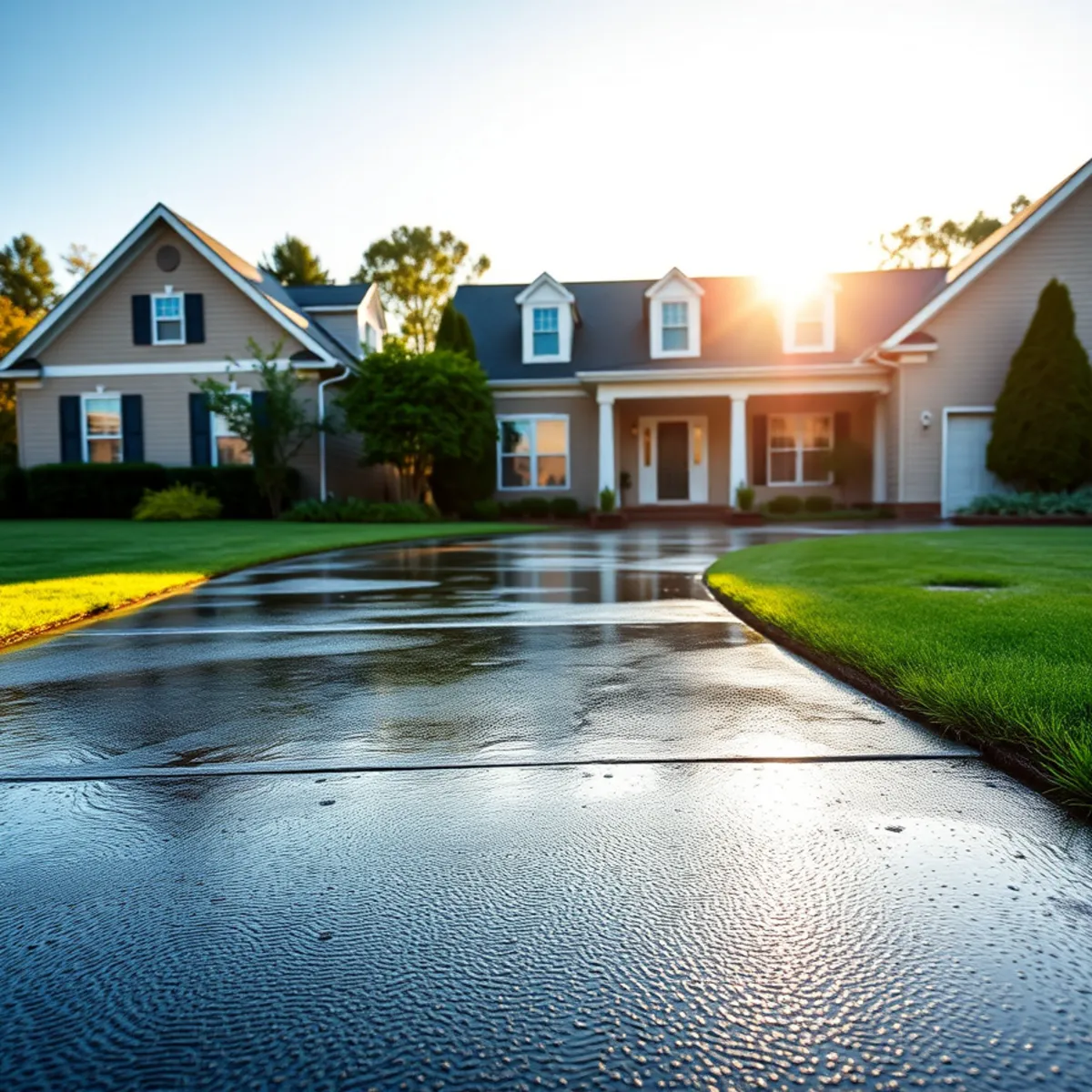
September and October hit the weather sweet spot: warm enough that surfaces dry properly, cool enough that water doesn't flash-evaporate and leave streaks before the cleaner can work.
While you're at it, fall is the time to:
- Lift leaf tannin stains from concrete and decks before they set hard over winter
- Clean driveways and walkways before sealing them ahead of the freeze-thaw cycles
- Get on the schedule early — fall books up fast, and a good crew fills its calendar weeks out
Sealing matters more here than people think. A clean, sealed driveway shrugs off the winter red-clay splash that ruins bare concrete.
Winter and Red Clay: NC's Toughest Stain
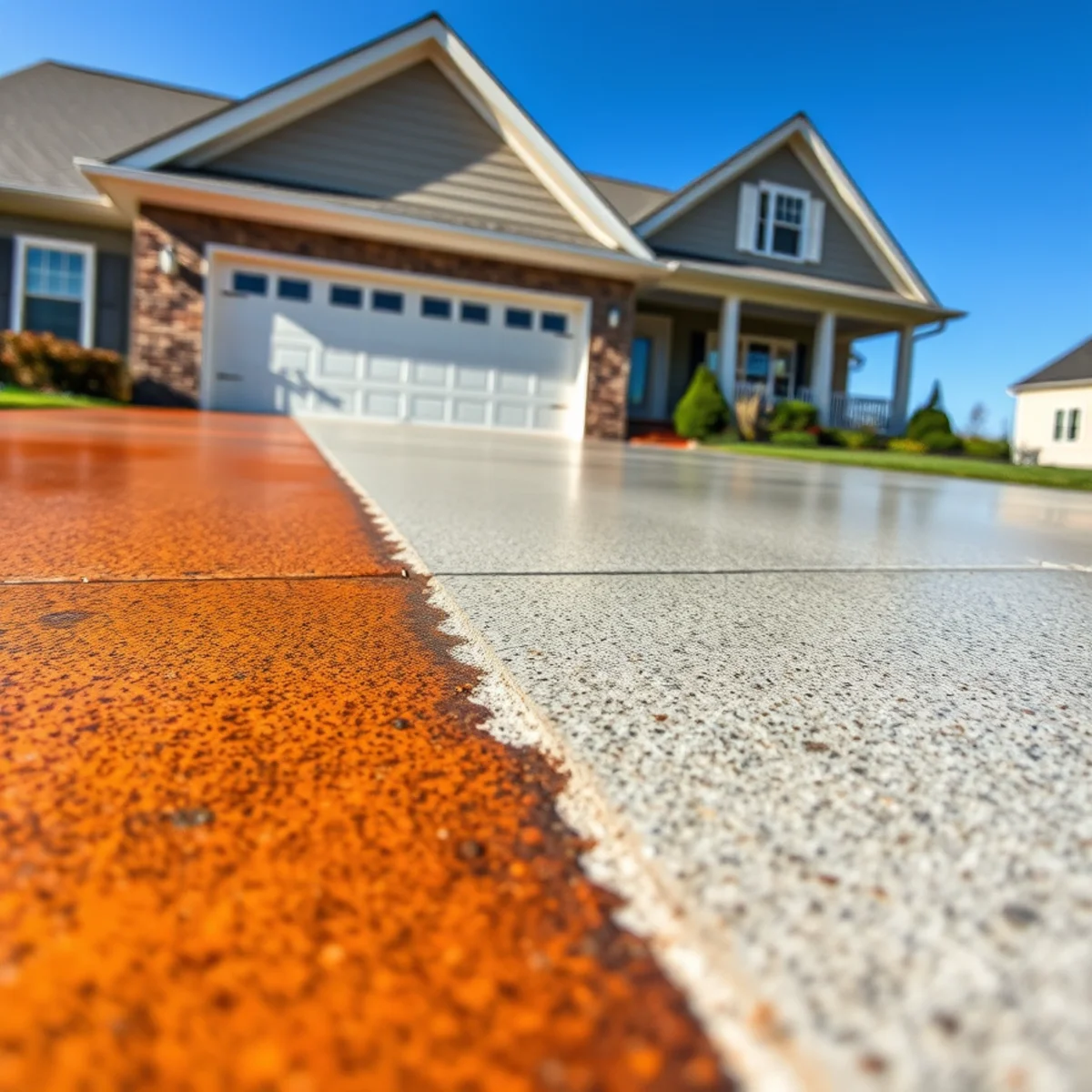
Ask any Piedmont homeowner what stains worst, and it's our iron-oxide red clay. This stuff behaves like dye. It bonds to concrete, brick, and the bottom of siding — and it gets dramatically worse after winter rains and anywhere there's nearby construction or grading runoff.
Here's the hard truth: pressure washing alone will not remove embedded red clay. You can blast it all day and the orange tint stays put, because the iron has chemically grabbed onto the surface. It takes a specialized acidic or oxalic-acid remover plus mechanical rinsing to actually lift it.
The process we use:
- Apply the clay remover to the stained surface
- Let it dwell 2 to 3 minutes so it breaks the iron bond
- Power-rinse it off completely so the clay flushes away instead of resettling into the pores
After cleaning, a penetrating sealer is your best defense — it fills the surface so future clay can't soak in and stain. And while deep winter is the general off-season, red-clay treatment is something we can knock out on the milder, dry days when temperatures cooperate.
Temperature, Freeze Risk, and When NOT to Pressure Wash
Timing isn't just the season — it's the specific day. The cold rules are simple and worth knowing before you or anyone else points a wand at your house.
- Below 40°F: don't pressure wash. Water can freeze on walkways and inside equipment.
- 32°F to 40°F: caution only. It's a narrow band where things can work on a calm, sunny day, but the margin is thin.
- Below 32°F: unsafe. You risk ice hazards on every surface and cracked pumps and hoses from water freezing inside the machine.
A few more day-of pointers:
- Pick a warm, sunny, low-wind day so surfaces dry fully and the cleaning solution stays effective.
- Mind the wind chill. On a breezy day, keep it comfortably above 40°F — wind makes everything freeze and dry unevenly.
- Never wash right before a hard freeze. Leftover moisture turns walkways into a skating rink and can burst equipment.
This is a big reason late spring and early fall win: the daily weather cooperates instead of fighting you.
Pressure Wash vs. Soft Wash: Matching Method to Surface
Timing tells you when; method tells you how. Using the wrong one is how people damage their own homes. The rule is to match pressure and chemistry to the surface.
Soft wash — low pressure plus detergent:
- Vinyl and painted siding
- Asphalt roof shingles
- Screens, soffits, and delicate trim
Pressure wash — higher PSI, often with a rotary surface cleaner:
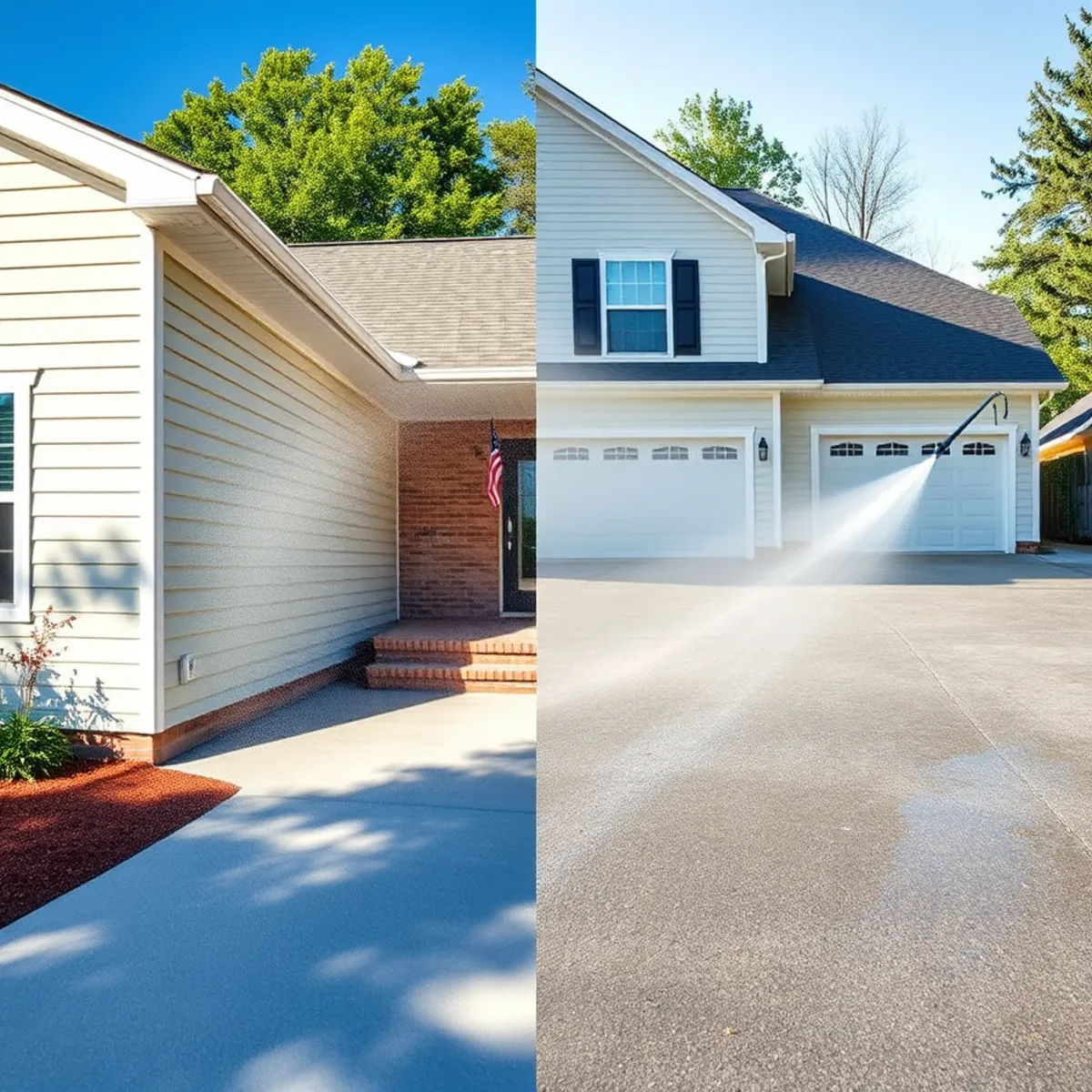
- Concrete driveways and walkways
- Brick, stone, and pavers
- Other durable hardscape
A few hard lines we never cross:
- Never high-pressure a roof. It strips the protective granules off shingles, can void the warranty, and drives water into the walls. Roofs get a gentle soft wash, period.
- Detergent-based cleaning kills algae and mildew at the root, so it lasts far longer than a pressure-only pass.
- A good pro reads the surface first and dials PSI and chemistry to it. That judgment — knowing when to back off the pressure — is what protects your siding, your shingles, and your paint.
How Often Should You Pressure Wash and What Does It Cost in NC?
For most homes, once a year is the minimum. But given our pollen-plus-humidity double whammy, twice a year is the honest answer for a lot of NC homes — late spring for pollen, fall for leaves and growth.
Some homes need even more attention:
- Lake and tree-shaded homes around Lincoln County hold humidity and grow algae faster
- Coastal homes battle salt film on top of mold and need frequent rinses
On cost, exterior cleaning typically runs in the range of $0.15 to $0.75 per square foot, which works out to roughly $200 to $400 or more for an average home, depending on size, height, and how much growth or clay staining is involved. Your free estimate is the only way to get a real number for your house.
What about going the DIY route? You can rent or buy a pressure washer, but the savings come with real risk. Too much PSI on vinyl gouges and cracks panels, etches concrete, and forces water behind siding — the exact damage we warned about earlier. A wrong move on a roof can cost you the shingles. For most folks, the math favors a pro who already owns the gear, the right detergents, and the experience to not wreck the surface.
One last bit of timing wisdom: book your spring wash early. Late April and May are our busiest stretch. Reserve your spot ahead of the rush and you skip the peak-season wait and any scramble for a slot.
Here in Lincolnton and across Lincoln County, we've been cleaning homes since 2015 — licensed, insured, using biodegradable detergents and a written re-clean guarantee. If you want your siding, roof, or driveway handled at exactly the right time of year, by a crew that knows our pollen, our humidity, and our red clay, give us a call at +1 (351) 242-0666 for a free estimate. We'll help you nail the timing and get it done right.
Written by the Hydro Jet PW Crew
Led by Caleb, a local Lincoln County firefighter who started Hydro Jet in 2015. We soft wash, protect your property, and treat your home like our own.
Frequently Asked Questions
Late spring, after the pine pollen finishes dropping (usually mid-May into early June around Lincoln County), is the best time for siding, roofs, and screens. Washing earlier just gets re-coated with pollen. That said, gutters are best in fall, and concrete and red clay stains are great winter jobs since clay doesn't care about the season.
Yes, on mild, dry days. Our Piedmont winters are actually a great window for concrete, brick, and red clay stain removal because those jobs don't depend on warm-weather chemistry and schedules are more open. We just avoid washing during a hard freeze when water could ice over on walkways. Call us at +1 (351) 242-0666 to find a good winter date.
Once a year is a good baseline for most Lincoln County homes, ideally in late spring. If your home sits on a shaded or lake-area lot that greens up fast with algae, a second wash in fall keeps it ahead of the growth. Algae and roof streaks are living growth, so the sooner you treat them the better, because they root deeper the longer they sit.
Got a stain you can't beat?
Let a local crew handle it. Free estimates, fast scheduling.
Call +1 (351) 242-0666